










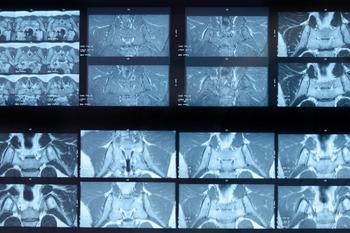
Findings suggest that patients with suspected axial spondyloarthropathy not taking NSAIDs were more likely to have MRI proven inflammation compared with patients taking NSAIDs.
Findings suggest that patients with suspected axial spondyloarthropathy not taking NSAIDs were more likely to have MRI proven inflammation compared with patients taking NSAIDs.

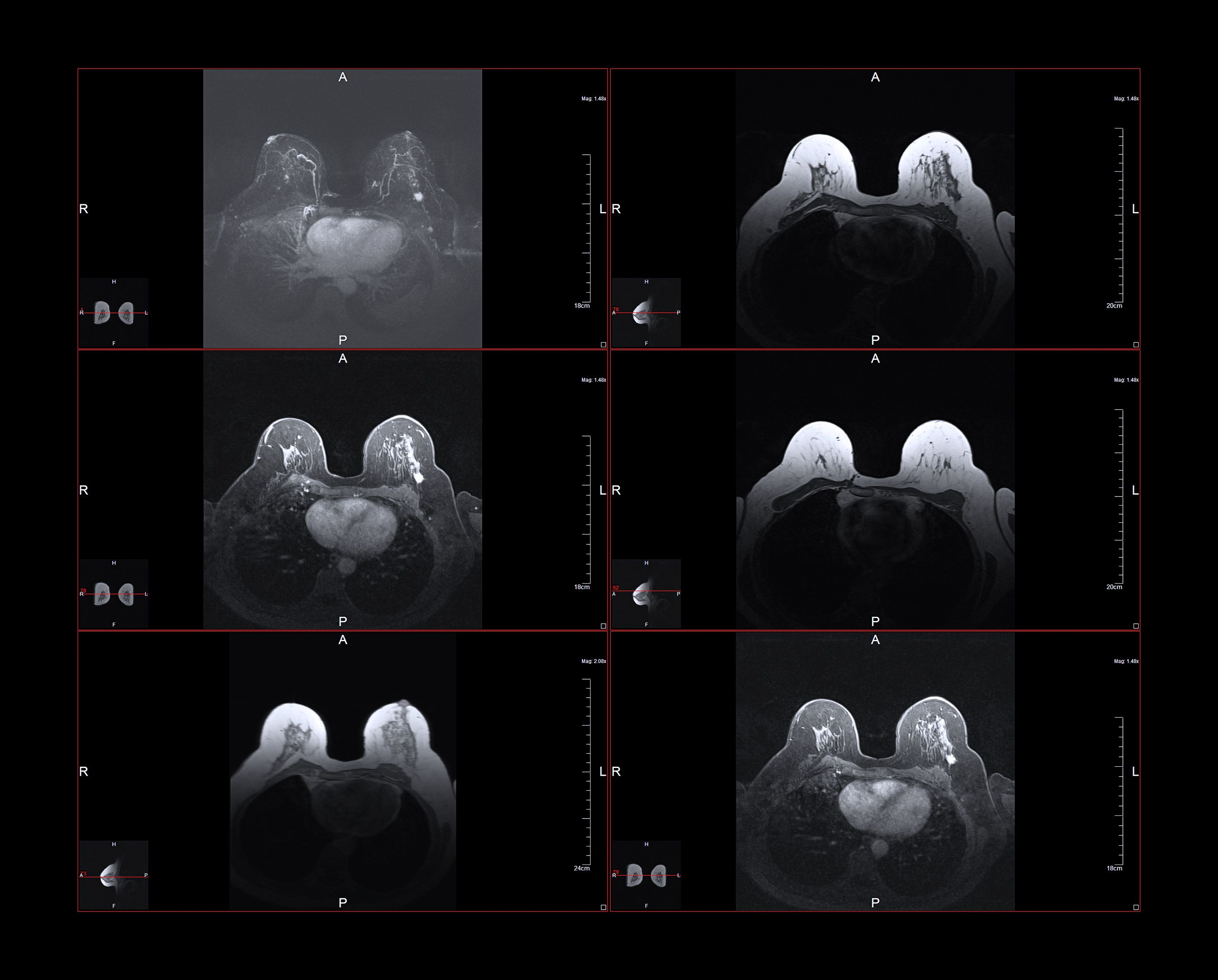
Breast ultrasound/MRI fusion significantly improves localization of incidentally detected MRI lesions which are occult on an initial ultrasound survey alone.
COVID-19 can result in cardiac complications including myocarditis, arterial and venous thromboembolism, and cardiomyopathy.
Learn more about what Canon Medical will be showcasing virtually at RSNA 2021.
Radiologists should be aware of the possible association of COVID-19 mRNA vaccination and myocarditis.
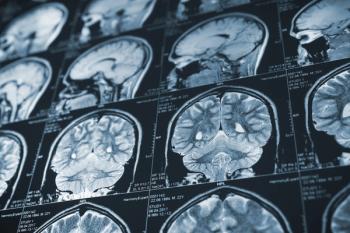
Study findings have the potential to widen the indication for treating patients in the extended window using simpler and more widespread non-contrast CT.

Elderly male with low back and pelvic pain. What most likely represents the imaging findings?

A recent article in Clinical Imaging suggests a three-pronged education approach to address healthcare disparities in radiology.
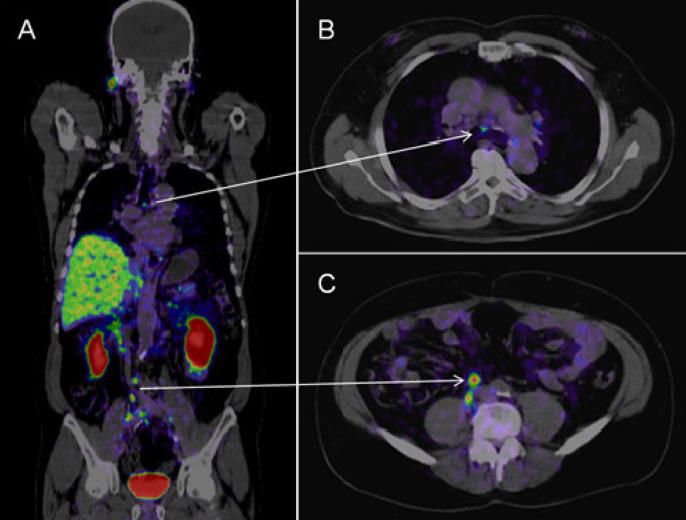
A young male presents with chest and right knee pain after injury. What most likely represents the imaging findings?

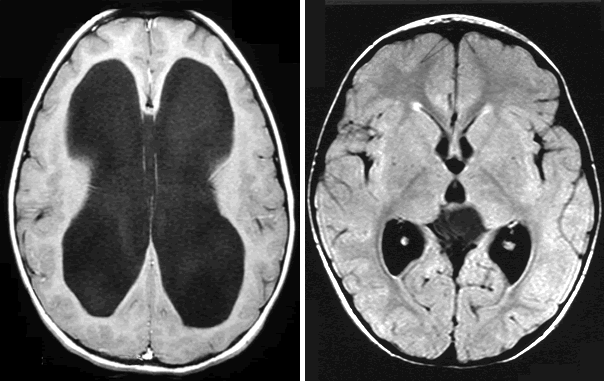
Can you make the diagnosis?
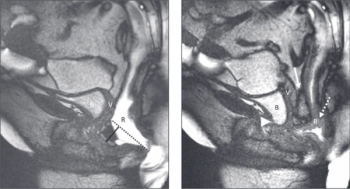
The report provides a universal set of recommendations and language for technique, interpretation and reporting of magnetic resonance defecography and is endorsed by six medical societies.
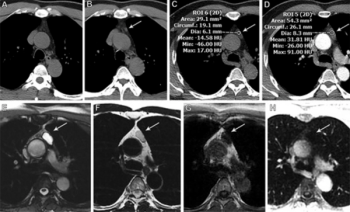
Awareness of the variable imaging characteristics and behavior of thymic cysts over time should help guide clinical management.
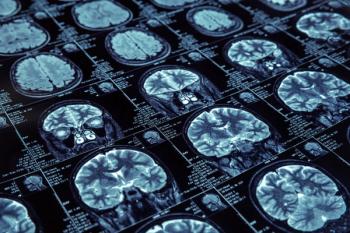
The post-processing software platform can reduce brain imaging acquisition time by 40%.
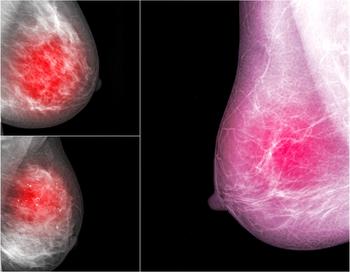
Nonsuppressed background parenchymal enhancement could indicate patients who will show inferior response and allow for a personalized redirection of treatment.
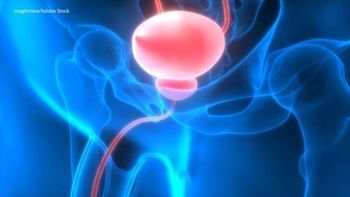
The combination approach may significantly reduce over-detection while providing noninferior detection of clinically significant prostate cancer.
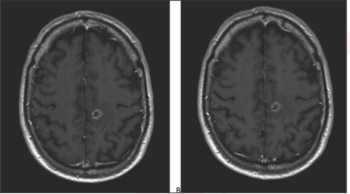
The algorithm is the first step towards developing an artificial intelligence-augmented radiology workflow that can support image interpretation to improve diagnosis and prognosis.
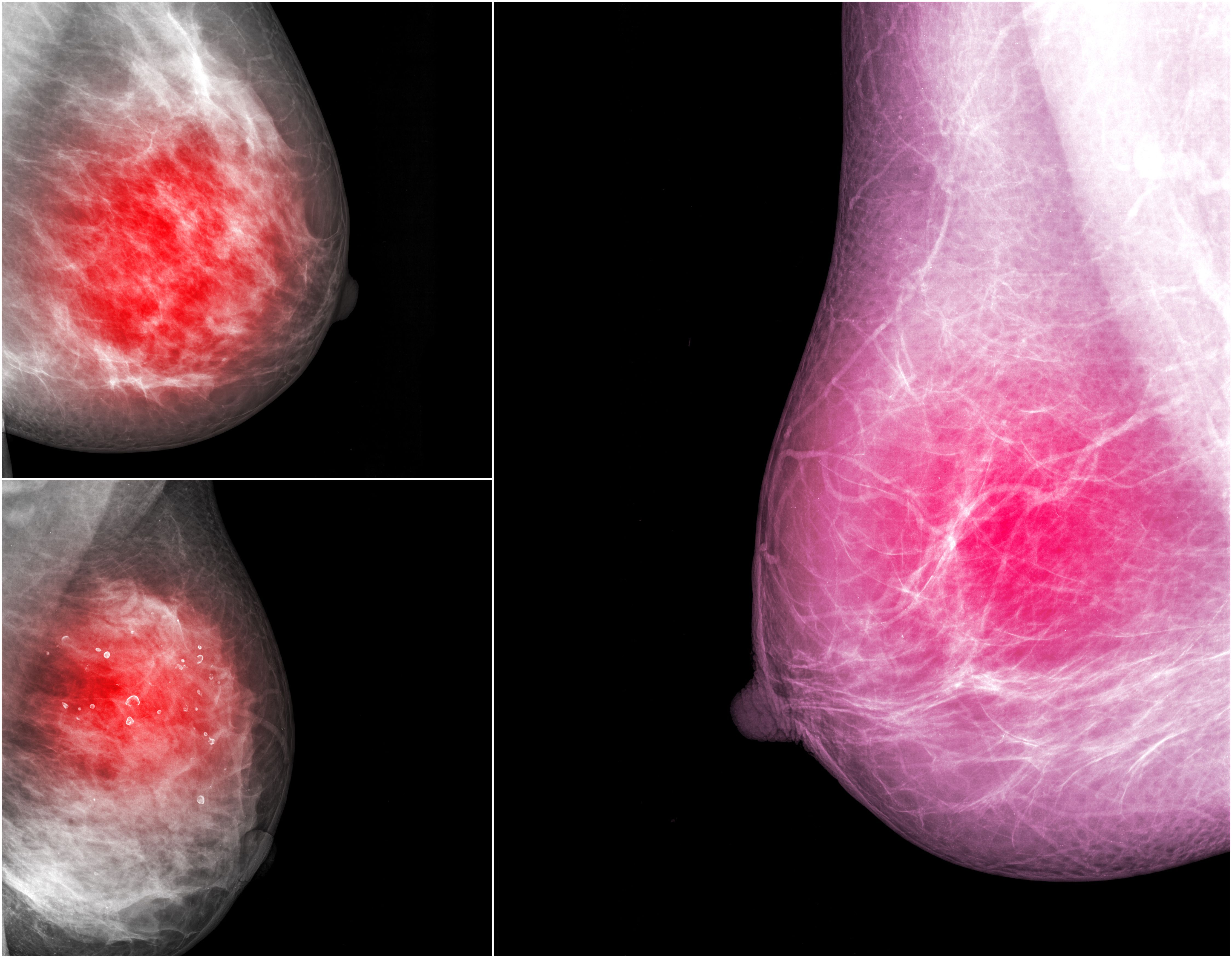
Can you make the diagnosis?
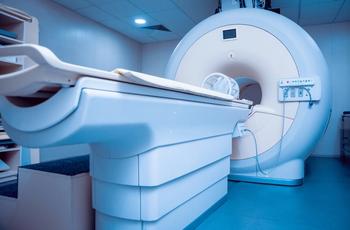
Training sets from different vendors may be required to ensure scanner-specific sensitivity.
Combination can also help patients avoid unnecessary invasive procedures.
What is your diagnosis on this MRI?
Use of head and neck CTA has increased significantly among commercially insured and Medicare Advantage patients.
Take a quick look at Diagnostic Imaging's Top 5 stories of the week.

Three-level game helps patients overcome fears of the scan and learn how to remain as motionless as possible during imaging.
Looking for these features could reduce biopsies and facilitate more timely screening.

Study shows general radiologists in community settings have nearly the same level of diagnostic accuracy as abdominal fellowship-trained providers.