










Magnetic resonance imaging screening is not consistent with guidelines for women at low to moderate risk for breast cancer.
Magnetic resonance imaging screening is not consistent with guidelines for women at low to moderate risk for breast cancer.
Screening performance with MR imaging and mammography depends on breast cancer risk category.
An MRI procedure that does not use contrast agents may reduce the number of unnecessary breast biopsies.
Pretreatment MRI shows kurtosis may be promising biomarker for identification of triple-negative breast cancer.
3-T multisequence MR neuroimaging can impact short-term hearing ability, even when hearing protection is used.
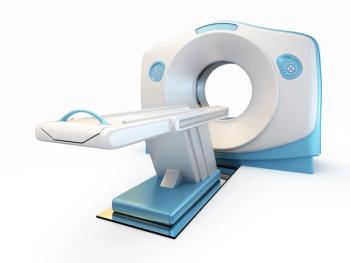
Multiparametric MRI may not show all prostate cancer lesions or may underestimate their size.

DTI to monitor patients with brain metastases may help physicians determine prognosis and response to immunotherapy.

Case History: 45-year-old patient presented with mass in thigh for six months.

Recent FDA review process of inconclusive clinical studies creates a potentially unhealthy decision-making environment for patients needing gadolinium-enhanced MRIs.

Paying tribute to Bill Bradley, “Dr. MRI.”
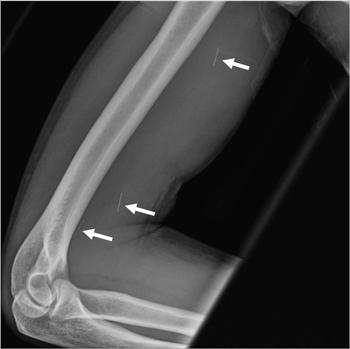
Radiologists in the emergency department can help advocate for patients with opioid-use disorders.
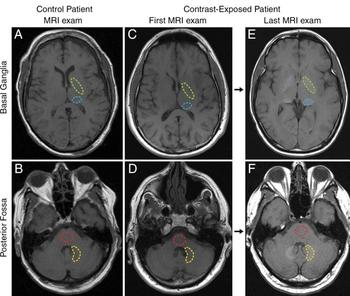
Imaging with gadolinium does not put patients at risk for adverse neurologic outcomes later in life.
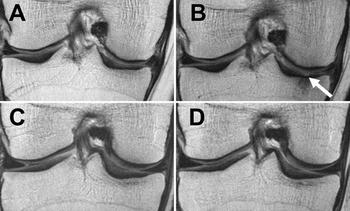
Effect of diet, exercise on people who are overweight or obese who lose weight to help decrease knee cartilage deterioration.
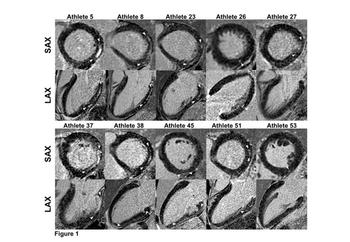
MRI shows evidence of higher risk for elite male triathletes.
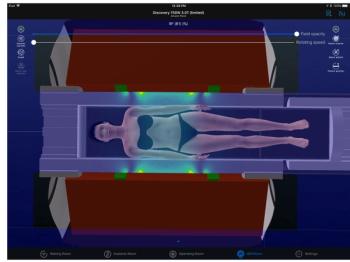
A new app about MR safety has some surprising benefits for efficiency.
A new app about MR safety has some surprising benefits for efficiency.

Case History: 7-year-old male with left upper limb weakness that started two years following a motor vehicle accident.
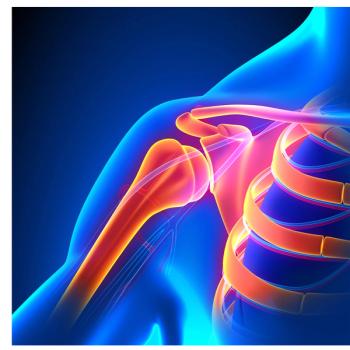
Use of imaging for musculoskeletal extremities has increased significantly over the past 20 years.

Adding automated breast US to regular screening of women with BRCA mutation and cancer detection.

Case History: 55-year-old with pain and swelling in left submandibular region.
Macrocyclic GBCAs in nonenhanced T1 signal intensity pediatric brain tissue.
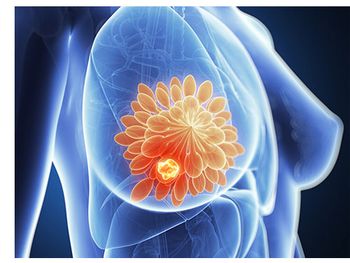
MRI for evaluation of breast masses in lactating women.
MRI may still be possible for some patients with non-conditional cardiac implantable electronic devices.
MRI in the Breast Cancer Surveillance Consortium meets most BI-RADS benchmarks.

Case History: 60-year-old patient presented with complaint of bilateral lower limb swelling.