








Preoperative axillary ultrasound is effective in detecting invasive breast cancer in obese patients.
Preoperative axillary ultrasound is effective in detecting invasive breast cancer in obese patients.

Fewer ultrasounds and biopsies were seen for women referred for breast tomosynthesis after recall for focal asymmetric density following screening mammography.
Ultrasound remains most sensitive imaging modality when diagnosing placenta accreta.
As concern with radiation safety mounts, bowel ultrasound, with proper technique and training, may be a viable imaging alternative.
Diffusion-tensor MRI and tractography may offer radiologists a noninvasive option for diagnosing esophageal carcinoma.
Calgary Scientific’s ResolutionMD received FDA clearance for diagnosis on mobile devices for most imaging modalities.
Breast emergencies are uncommon but require quick identification and management when patients present with complaints, such as mastitis and breast abscesses.
Radiologists can reduce the number of unnecessary imaging procedures through quality improvement regarding the appropriateness of the tests.
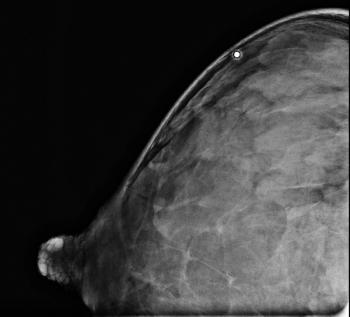
A 30-year-old who has been breastfeeding for three months presents for evaluation of a right breast lump that is nontender and has been present for two weeks.
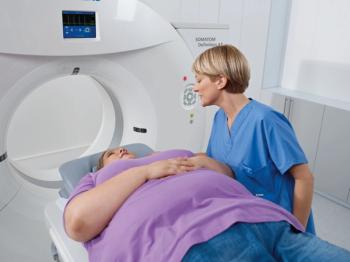
When it comes to working with obese patients, manufacturers and clinicians are trying to solve the challenges presented in diagnostic imaging.
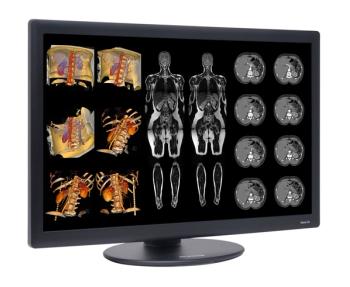
The FDA has given clearance to NDS Surgical Imaging for the Dome S6c diagnostic display.
Innovative radiology monitors, like the LCD screen, provide better quality images.
Magnetic resonance imaging is an effective alternative to ultrasounds and CT scans in diagnosing pediatric appendicitis.
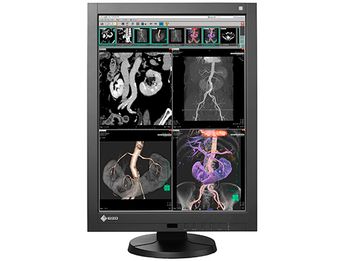
Check out some of the technological advances in radiology monitors.
Lung ultrasounds can help clinicians identify patients with preeclampsia who have developed pulmonary edema.
MRI of the carotid artery may help clinicians spot vulnerable plaque characteristics that could predict cardiovascular events among asymptomatic patients.
Ultrasound imaging used to identify fetal sex without a medical indication is becoming a public health issue and should be discouraged.
Breast ultrasound finds many cancers missed by mammography, even when reviewed retrospectively.
Using bedside ultrasounds in the emergency department is an effective method to diagnose appendicitis in children, reducing the need for CT scans.
Ultrasounds are often an essential part of medical triage and diagnosis, and should be taught earlier in the medical curriculum.
Patients with suspected appendicitis can be effectively screened by ultrasound, using CT only if more information is needed.
Ultrasound is being used more at the bedside by all specialties. But for non-emergencies, leave it to the experts or risk over- or under-diagnosis.
Using ultrasound as first-line imaging for suspected pediatric appendicitis limits radiation exposure to patients without compromising diagnosis and patient outcome.
Use of thyroid ultrasounds may identify cancer in low-risk patients and reduce unnecessary thyroid biopsies.
New diagnostic thresholds for ultrasound use in pregnancy may help avoid inadvertent harm to fetus.