








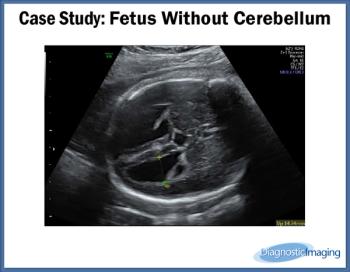
Case History: Ventriculomegaly with no apparent cerebellum in 30-week and 3-day live intrauterine pregnancy.
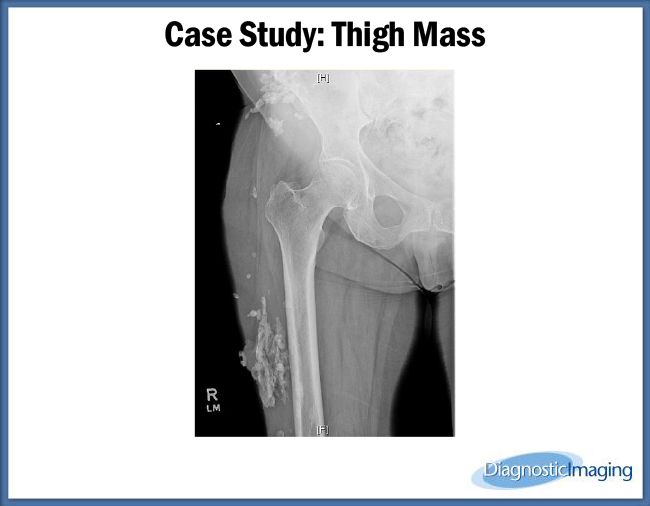
Case History: Ventriculomegaly with no apparent cerebellum in 30-week and 3-day live intrauterine pregnancy.
Philips introduces mobile, app-based ultrasound.
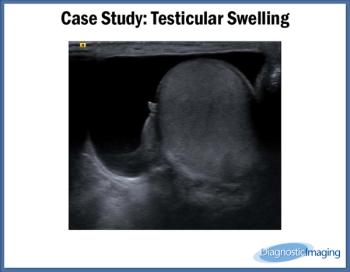
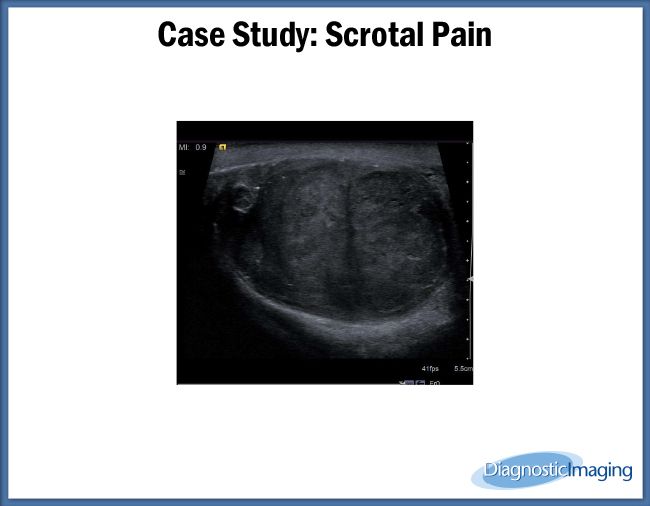
Case History: Male presents with right side testicular swelling.

Breast imaging, specifically mammography and ultrasound, are at highest risk for medicolegal claims.
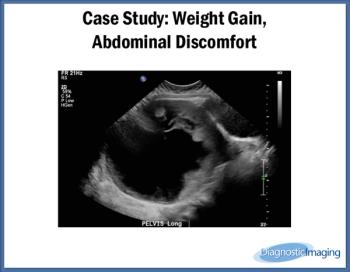
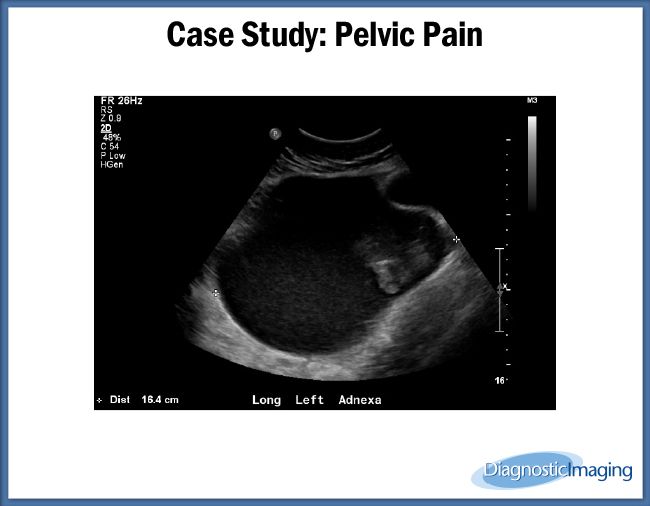
Case History: Female patient presented with history of weight gain, abdominal discomfort/fullness for approximately a year.

Ultrasound elastography can save patients from invasive procedures and bring radiologists to forefront of diagnosing diffuse liver disease.
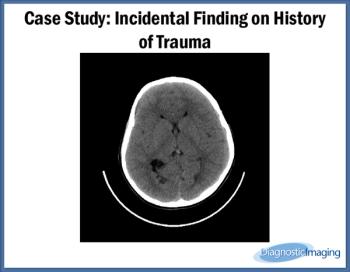
Case History: 27-year-old patient presented with history of trauma.
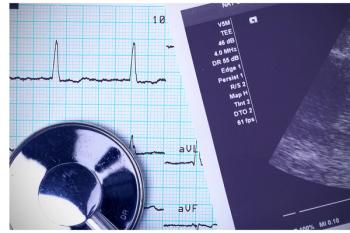
The increasing use of point-of-care ultrasound is moving the modality away from radiologists.
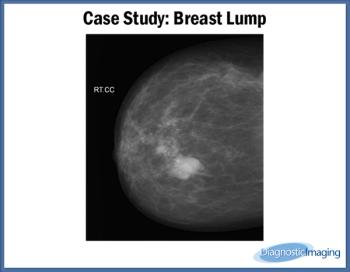
Case History: 55-year-old female with left breast, upper, central lump.

Touch Prime and Touch Prime XE first of Carestream’s new family of ultrasound to receive FDA approval.
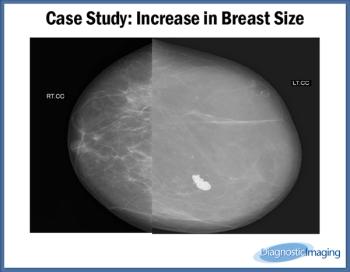
Case History: 67-year-old female with progressive increase in size of left breast for five years.
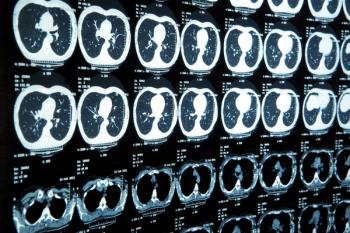
Imaging examinations interpreted by diagnostic radiology residents and fellows have increased.
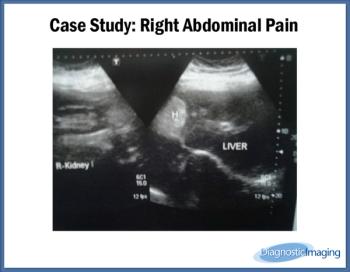
Case History: 62-year-old female with right upper abdominal pain.
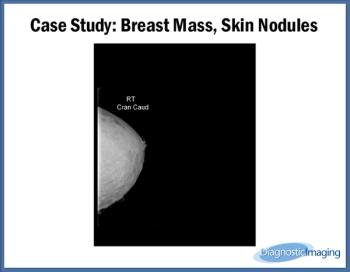
Case History: 65-year-old woman with right upper outer quadrant painless mass.

Patients who undergo imaging tests could use more information about the examination.

Magnetic resonance images can add valuable information to prenatal fetal assessment.
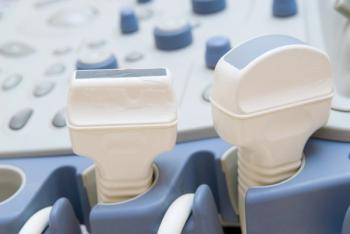
Cardiac and abdominal imaging performed by residents using a pocket-size ultrasound increases diagnostic accuracy.

Fewer CT scans are needed for trauma patients when whole-body CT is included in early trauma care, but initial WBCT results in higher dose.
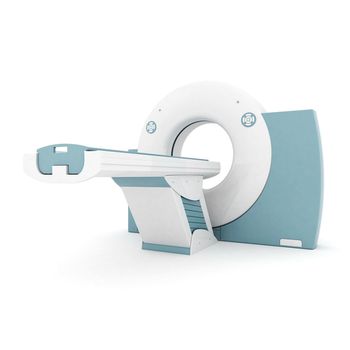
Magnetic resonance imaging following CT or US detection of indeterminate pelvic mass helps women avoid unnecessary surgeries.
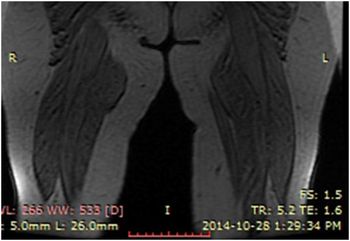
74-year-old female presented with multiple, soft swellings around the knees and upper thighs.
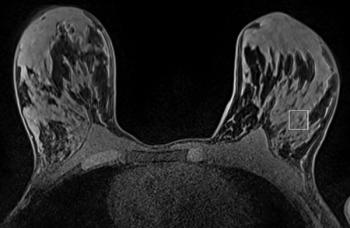
Localized correlated spectroscopy may show signs of biochemical abnormalities, possibly signaling breast cancer among women with BRCA gene.

Radiology, as we know it, is over.
Case History: 60-year-old female with right hypochondriac pain, asthenia and decreased appetite.

We've stumped you before, so give them another try: our 5 hardest Image IQs.
Case History: 40-year-old male with fracture undergoes pre-anesthetic fitness evaluation for intra-medullary nailing at the fracture site.