










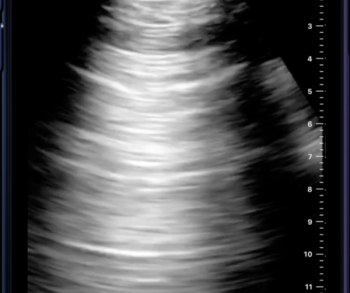
The artificial intelligence (AI) powered Auto B-line Counter, which reportedly produces a B-line count from a six-second ultrasound clip, may facilitate more expedient and consistent assessment of abnormal lung function.
The artificial intelligence (AI) powered Auto B-line Counter, which reportedly produces a B-line count from a six-second ultrasound clip, may facilitate more expedient and consistent assessment of abnormal lung function.
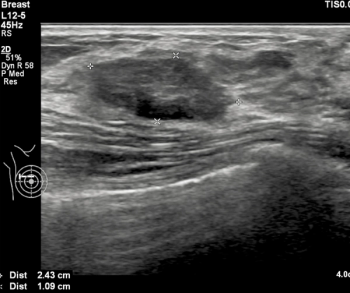
Emerging research shows the adjunctive use of automated breast ultrasound with mammography has similar sensitivity for breast cancer detection as adjunctive handheld ultrasound but may offer reduced false-positive rates in women with dense breasts.
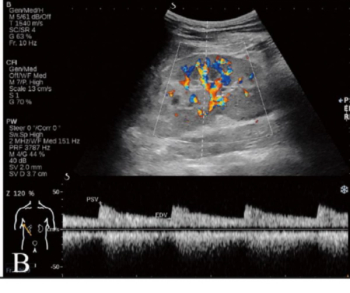
Smart-CKD, an ultrasound-derived, computer-aided diagnosis (CAD) tool, demonstrated an area under the curve of 81 percent and an 83 percent sensitivity rate in a validation cohort for differentiating between mild and moderate to severe fibrosis in patients with chronic kidney disease.
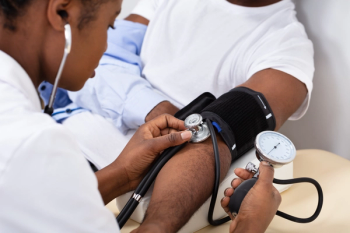
Findings from three randomized trials of ultrasound renal denervation revealed a significant reduction in daytime ambulatory systolic blood pressure in patients with varying levels of hypertension.
Catch up on the top AI-related news and research in radiology over the past month.
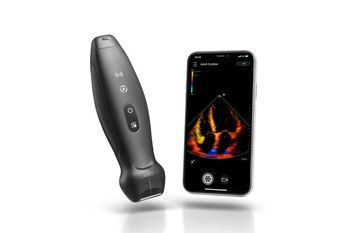
The TE Air reportedly combines enhanced point-of-care ultrasound imaging with an array of practical benefits for radiologists.
Catch up on the top radiology content of the past week.
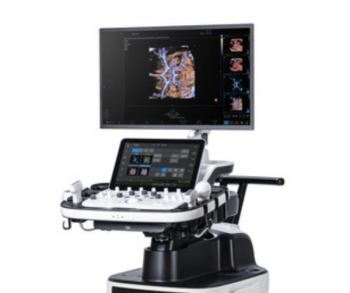
The HERA W10 Elite ultrasound platform provides enhanced visualization features and artificial intelligence (AI)-aided measurement capabilities.
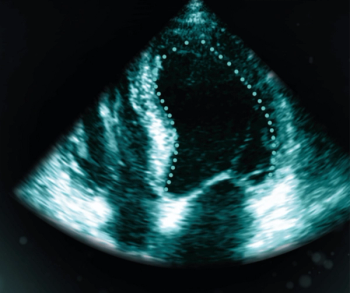
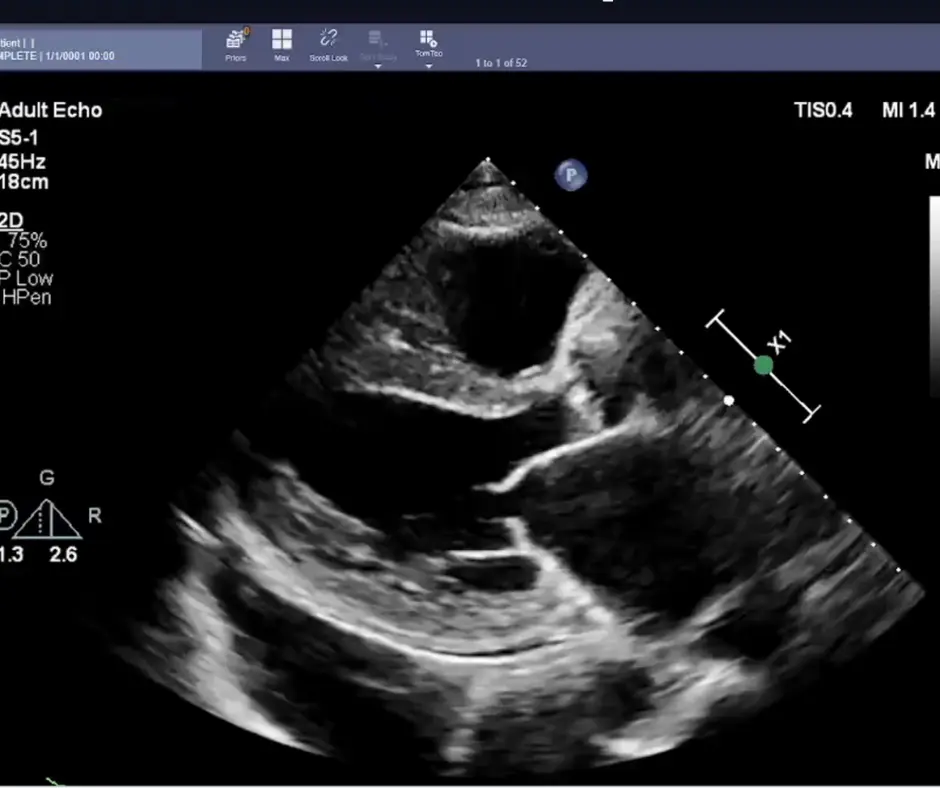
Employing an artificial intelligence (AI)-powered scoring system, LVivo IQS reportedly provides real-time assessment of the quality of cardiac ultrasound images.
Catch up on the top radiology content of the past week.
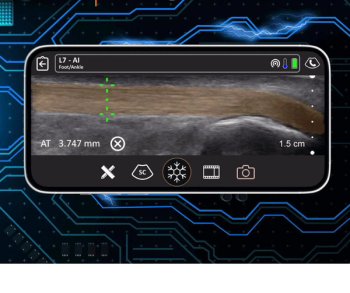
In what is reportedly the first Food and Drug Administration (FDA) 510(k) clearance for the use of artificial intelligence (AI) for musculoskeletal ultrasound, the model provides automated measurements of tendons in the knee, ankle, and foot.
Catch up on the top AI-related news and research of the past month.

Review the case study and test your knowledge to make the correct diagnosis.
Catch up on the top radiology content of the past week.
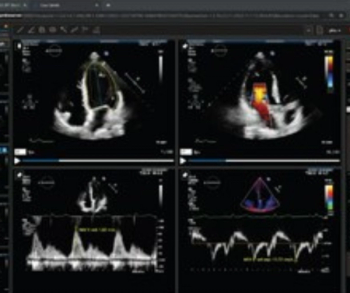
CAAS Qardia 2.0, an updated version of the CAAS Qardia echocardiography software platform, reportedly incorporates artificial intelligence (AI)-enabled workflows, and provides enhanced imaging and analysis of key cardiac measures.
Check out the top radiology content of the past week.
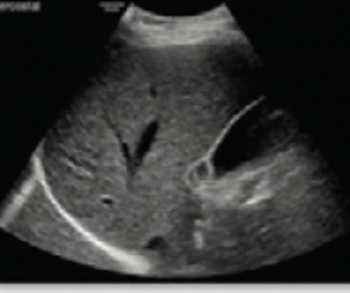
In a new prospective study, an emerging deep learning model, which incorporates parametric mapping with quantitative ultrasound to estimate liver fat fraction, demonstrated a 90 percent sensitivity rate and a 91 percent specificity rate for diagnosing hepatic steatosis in patients with non-alcoholic fatty liver disease (NAFLD).
Is there an optimal pace for navigating the ebbs and flows of our worklists in radiology?

Catch up on the most well-read ultrasound articles from 2022.
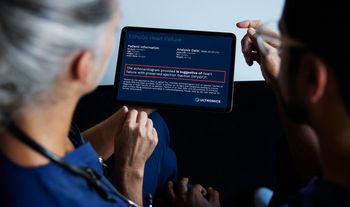
The EchoGo® Heart Failure device reportedly has an 87.8 percent sensitivity rate and an 83 percent specificity rate for diagnosing heart failure with preserved ejection fraction, an increasingly prevalent but frequently misdiagnosed condition.
Catch up on the top radiology content of the past week.
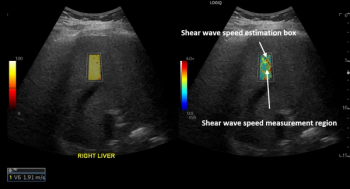
The retrospective study involving the use of ultrasound shear wave elastography showed a significant increase in liver stiffness 44 weeks after the diagnosis of COVID-19 in comparison to pre-pandemic and pandemic controls.
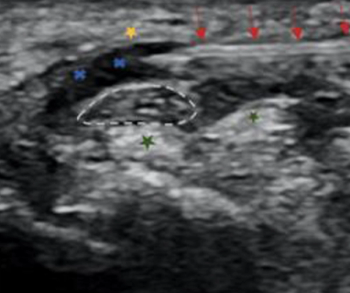
A randomized controlled trial shows that the minimally invasive treatment provided long-term relief of carpal tunnel syndrome.
Catch up on the top radiology content of the past week.
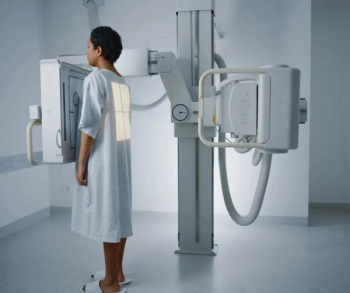
In a study of over 800 women with breast cancer, researchers found that African-American women had a higher rate of ductal carcinoma in situ (DCIS) and were less likely to have irregular masses in screening exams in comparison to non-Latina White women.