

Opinion|Videos|May 1, 2026
Clinical Use of PSMA PET in Advanced Prostate Cancer
Author(s) Neal Shore, MD, FACS
Real-world PSMA PET use in prostate cancer reveals variable readings and PSA thresholds, prompting selective scans and ongoing trials with FDG PET.
Advertisement
Episodes in this series

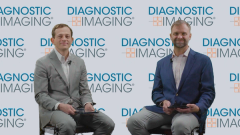
This episode, titled ‘Clinical Use of PSMA PET in Advanced Prostate Cancer,’ features Dr. Neal Shore highlighting the differences between clinical trial data and real-world experience with PSMA PET imaging in advanced prostate cancer. While academic and international studies have reported high sensitivity and accuracy, particularly at low prostate-specific antigen (PSA) levels, clinicians in community practice settings report greater variability in both image interpretation and reporting. Inter-observer variability among readers and inconsistencies in report quality can impact how findings are understood and applied in treatment decisions.
The discussion also emphasizes that the strongest evidence for PSMA PET use remains in high-risk, newly diagnosed patients and those with biochemical recurrence following local therapy. However, real-world experience suggests that detection rates at very low PSA levels may not always match those reported in clinical studies, leading some clinicians to adopt higher PSA thresholds before ordering imaging. Additionally, the use of complementary imaging modalities, such as fluorodeoxyglucose (FDG) PET, is explored, though access and cost may limit their routine use in certain regions.
Despite these challenges, PSMA PET is widely viewed as a major advancement in prostate cancer imaging and is increasingly incorporated into routine clinical practice across disease states, including castration-resistant settings. Clinicians continue to rely on conventional imaging in parallel, particularly in research settings where historical endpoints require it. Ongoing clinical trials are working to integrate advanced and conventional imaging modalities, reflecting a transitional period in prostate cancer management. Overall, this segment underscores both the promise of PSMA PET and the need for continued refinement in its real-world application.
In the next episode, ‘Comparative PSMA PET Tracer Performance in Advanced Prostate Cancer,’ Dr. Neal Shore reviews phase 4 comparative data showing differences in urinary radioactivity and detection rates among PSMA PET tracers. These findings may influence tracer selection and improve detection of recurrent disease in advanced prostate cancer.
Newsletter
Stay at the forefront of radiology with the Diagnostic Imaging newsletter, delivering the latest news, clinical insights, and imaging advancements for today’s radiologists.
SubscribeAdvertisement
Related to this article
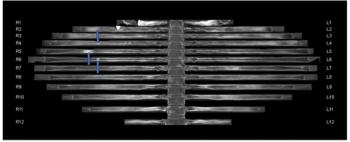
The use of adjunctive CT bone reading software in women with breast cancer detected between 8 to 22 percent more metastatic lesions for reviewing radiologists and reduced CT interpretation time by 50 percent or more, according to a new study.

Expert Radiology is a **radiologist-run teleradiology practice with 10 years of experience**, hiring teleradiologists earning **$500–$900/hr with per-dictation pay**. Work from anywhere with true flexibility, **no shifts, no call, and no weekends**.
Our case mix is **predominantly outpatient and noncontrast**, with approximately **75% MRI**, plus X-ray and CT.
We cover **malpractice with tail**, handle all medical licensing, and ship you a **$10K reading station with six vertical 4K monitors**.
Minimum commitment is an **average of 400 cases per month**.
**Book a call with Brandi Escapule, Principal, Physician Services.**
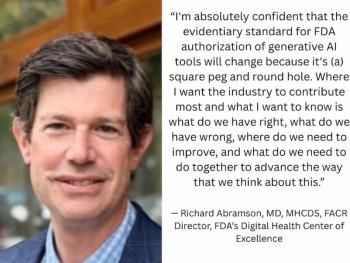
How will generative AI software be evaluated by the FDA in the future? What’s next for point-of-care ultrasound? What steps have been successful in facilitating adoption of AI applications across enterprise systems? Leaders in radiology and health care will be discussing these topics and more at the upcoming HLTH USA conference.
While the allure of partnership or a hierarchical promotion system for those who paid their dues once sounded promising, the current reality amid declining reimbursements, thinning practice margins and private equity acquisitions is going after the gig with the most optimal lifestyle and paycheck.
Catch up on the top radiology content of the past week.

In the third of a three-part podcast episode, Wendie Berg, MD, PhD, FACR, FSBI, Manisha Bahl, MD, and Amy Patel, MD discuss recent developments with autonomous AI in breast imaging and share their perspective on the overall potential of AI to help mitigate the radiologist shortage.
In a recent interview, Amir Iravani, MD, FRACP, discussed the radiotherapeutic agent 177Lu-edotreotide and new dosimetry data from the COMPETE trial that was recently presented at the ASTRO conference.

While AI offers the lure of efficiency and cleaner writing in scientific research, maintaining the principles of authorship and intellectual engagement is perhaps more important than ever before.
Advertisement
Advertisement