
Using MRI to assess hippocampal grading, physicians may be able to predict Alzheimer’s disease up to seven years before dementia.
Using MRI to assess hippocampal grading, physicians may be able to predict Alzheimer’s disease up to seven years before dementia.
CT not always necessary for adult patients presenting with blunt trauma to the chest.

When CT is available in the emergency room, physicians are more confident about their patient care decisions.

Brain imaging with fMRI shows older patients may experience more difficulties.
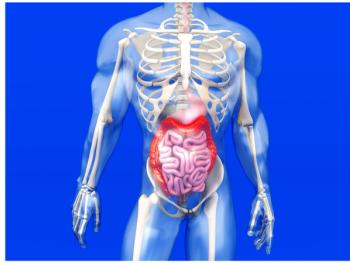
Using CT colonography for screening of colorectal cancer among Medicare patients is cost-effective.
Parents, guardians of children undergoing ultrasound more comfortable with procedure if they speak with the radiologist first.

Radiologists reading CT colonography may see difficult-to-detect polyps but not consciously register them.
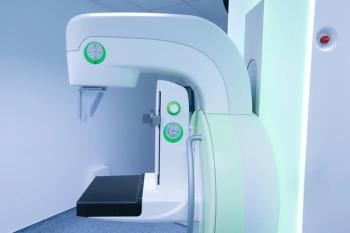
Mammography alone is just as good as mammography with CAD, and less expensive, for detecting breast cancer.
Unenhanced diagnostic MR imaging–DWIBS mammography may detect false-positive X-ray screening mammograms.
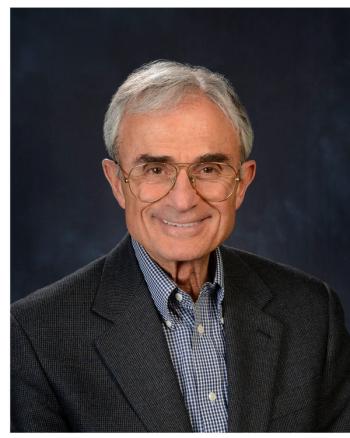
For this “10 Questions” series, we spoke with David Levin, MD, about his work and the future of radiology.

PACS would enhance and promote collaboration between radiologists and oncologists and improve quantitative reporting of tumors.

Barco’s Coronis Uniti display system received expanded clearance for multi-modality viewing.

Biennial screening mammography may detect more advanced cancers among premenopausal women than annual screening would.
Annual screening mammography can wait until age 45 for women at average risk of breast cancer.

An earlier scan of a patient’s brain with traumatic brain injury is better for greater detection of microhemorrhages.

Structured MRI reports improve staging for rectal cancer.
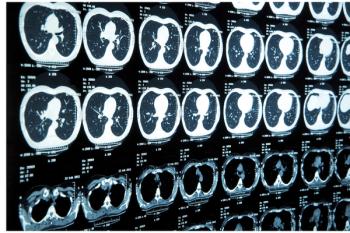
The need for skull radiographs in young children with minor head injuries may be determined using a new clinical rule.

Performance data for radiologists significantly varies from nonradiologists.

Contrast agent gadobenate dimeglumine may be safe for patients with renal disease who require dialysis.

Use of MRI images may help psychiatrists determine effectiveness of antipsychotic drug treatment.

CT performed on admission for patients with suspected acute appendicitis can predict hospital resource utilization.

Radiologists and nonradiologists must come to a consensus regarding who educates patients about radiation risks from diagnostic imaging.

Draft recommendations from the USPSTF on colorectal cancer screening omit CT colonography as a preferred screening method.
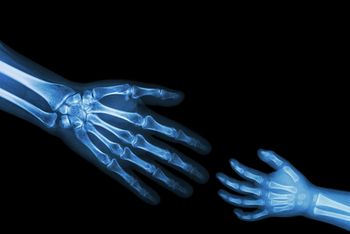
Use of ultrasound and MRI among children is rising, while CT imaging drops.
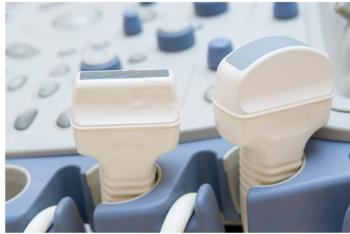
Ultrasound screening for abdominal aortic aneurysm would save more lives of people aged 75 or older, rather than nonsmoking 65-year-olds.
Ultrasound and digital breast tomosynthesis find more cancers than just 2D mammography.
Adding molecular breast imaging to mammography does add to screening cost, but it also increases cancer detection.

CCTA, when combined with calcium scoring, can rule out coronary artery disease in women with atypical chest pain.

For this “10 Questions” series, we spoke with Frank J. Lexa, MD, MBA about his work and the future of radiology.

Few radiologists are rated on physician-rating websites.