
Using diffusion-tensor imaging, researchers found brain changes among patients with mild traumatic brain injury who are depressed or anxious.
Using diffusion-tensor imaging, researchers found brain changes among patients with mild traumatic brain injury who are depressed or anxious.

Patients who undergo coronary CT angiography receive lower radiation doses and are more pleased with the experience than with MPI.

Agfa HealthCare propels enterprise imaging strategy with FDA clearance for XERO Viewer.
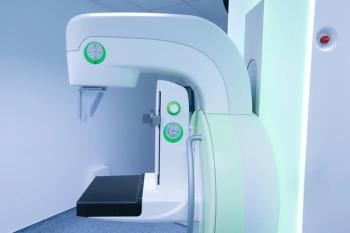
US women experience higher false-positive mammography rates than do European women.

Some hospitals charging much higher fees than Medicare allowable costs.

Breast cancer screening for women aged 50 to 74 does reduce breast cancer mortality.
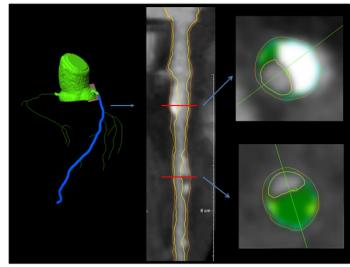
Coronary CT angiography detects links between arterial plaque, diabetes, blood pressure, and cholesterol levels.
Touch Prime and Touch Prime XE first of Carestream’s new family of ultrasound to receive FDA approval.

Neuroimaging may not be necessary for all children with sports-related concussion.
MRI may be able to detect an early marker of atypical Alzheimer’s disease.
CT may be used less often in diagnosing TBI with early measurement of glial fibrillary acidic protein and its breakdown products (GFAP-BDP).

NATIONAL HARBOR, MD-Mobile app puts radiologists and hospital staff in touch.
Supplemental or alternative screening for breast cancer does not need to be an automatic process for women with dense breast tissue.
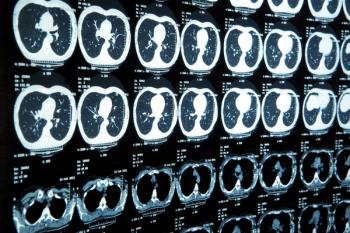
Imaging examinations interpreted by diagnostic radiology residents and fellows have increased.

A CT protocol with lower radiation and contrast dose for aortic assessment provides acceptable diagnostic imaging.

For this “10 Questions” series, we spoke with Ron Schilling about his work and the future of radiology.

WASHINGTON, DC-Women still not entering radiology residencies, taking leadership roles, despite increased awareness of gender disparity.
WASHINGTON, DC-More radiology resources necessary for obese patients.
WASHINGTON, DC-More image guided percutaneous core needle biopsies and image guided percutaneous automated vacuum assisted biopsies are performed.
WASHINGTON, DC-Since the peak of medical imaging costs in 2006, all states but Maryland and Oregon, have seen decreases in spending in this area.
WASHINGTON, DC-Pre- and postcontrast chest CTs are done more often by nonradiologists than radiologists.

MRI may determine which women at risk for breast cancer most need supplemental screening, based on their BPE levels.

Noncontrast MRI out-of-pocket expenses vary quite a bit depending on geography and population.

Nonradiologists are receiving over half of Medicare payments for diagnostic radiology procedures.
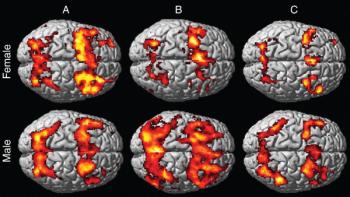
Magnetic resonance imaging shows lower digit span scores among women with MTBI.

Radiation exposure during angiography might be decreased if radiologists can view the images on wide screens.

Using low-tube voltage CTC provides adequate image quality at lower radiation doses.

Patients who undergo imaging tests could use more information about the examination.

The cost for noncontrast CT scans varies quite a bit, but information on pricing is usually easily to obtain.