
Itemized imaging reports are preferred in emergency radiology over point-and-click and basic structured reports.
Itemized imaging reports are preferred in emergency radiology over point-and-click and basic structured reports.
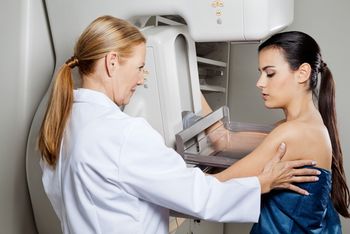
Two automated volumetric methods were superior in measuring breast density.

The issue of overdetection of cancer from screening must be addressed sooner than later, say experts.
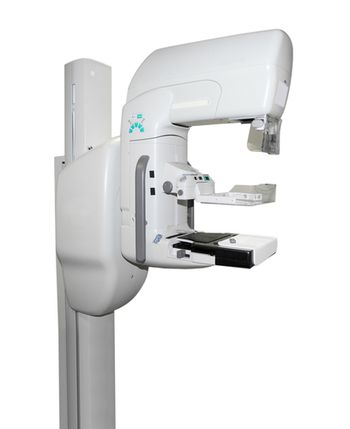
Mammography would be more accurate and comfortable for patients with mammographic pressure standardization.

For this “10 Questions” series, we spoke with Saurabh Jha, MBBS about his work and the future of radiology.

Use of some cardiac imaging improved after implementation of appropriate use criteria, but not for all tests.
Magnetic resonance imaging following CT or US detection of indeterminate pelvic mass helps women avoid unnecessary surgeries.
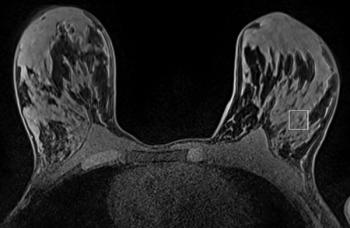
Localized correlated spectroscopy may show signs of biochemical abnormalities, possibly signaling breast cancer among women with BRCA gene.

Breast density awareness is more common in women who are educated, had higher household income, and have health insurance.
Dosing levels for pediatric head CTs as recommended by the ACR are met by most hospitals in the U.S.
Computed tomography imaging is being performed more often among adults in the ED who have fallen, but may be unnecessary in many cases.
Changing smoking habits may require more sensitive lung cancer screening criteria to include as many high-risk individuals as possible.

Private radiology groups use more social media than academic groups.
Breast lesions detected by MRI and classified as BI-RADS 2 were shown to not be malignant, and therefore do not need biopsy.

We've stumped you before, so give them another try: our 5 hardest Image IQs.

Cancer screening is a good thing, say people in the UK, but fewer than half understand associated risks to screening like mammography.
Low-dose CT screening for lung cancer following Lung-RADS criteria may reduce false positives, but it also decreases sensitivity.

For this “10 Questions” series, we spoke with Alan Kaye, MD, FACR, about his work and the future of radiology.

Neuroimaging with MRI shows an association between brain structure and postconcussive symptoms.

Advanced magnitude-based MRI can help physicians estimate liver proton density fat fraction in children with NAFLD.

The FDA has approved the first cone beam CT for diagnostic imaging of the breast, according to Koning Corporation.

Lower radiation doses were achieved when a competency check-off for radiology resident trainees was implemented.
Radiology managers are a little bit more confident that they will receive adequate reimbursement from Medicare.

The time it takes for CT scans, from order to reading, is influenced by the location of the scanner in relation to the ED.

Radiology reports delivered with image- and data-embedded multimedia are preferred by referring physicians over text-only reports.
Head CTs may not always be necessary for patients who present to the emergency department with complaints of dizziness or syncope.
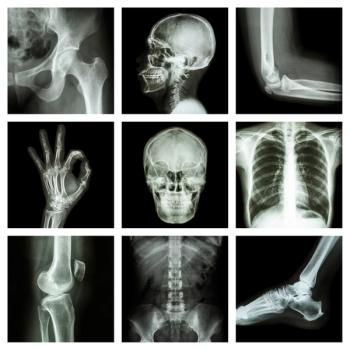
Decreases in imaging growth and CT/MRI use in the ED can be achieved.

Targeted biopsies using MRI and ultrasound detect more high-risk prostate cancer.
The FDA has cleared Micro Dose by EOS imaging, a low dose option now available on EOS equipment.
Computed tomography and MRI may not be necessary for most patients who present to the emergency department with acute pancreatitis.