Using MRI to screen patients at high risk of developing pancreatic cancer is effective in detecting early cancers.
Using MRI to screen patients at high risk of developing pancreatic cancer is effective in detecting early cancers.
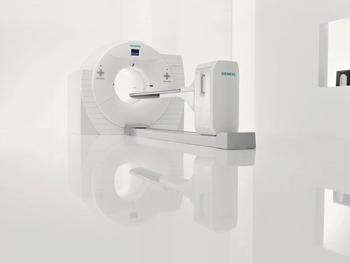
FDG PET may not be valuable for all breast cancer histologies.

Digital breast tomosynthesis is effective in detecting breast cancer overall, but particularly so in dense breast tissue.
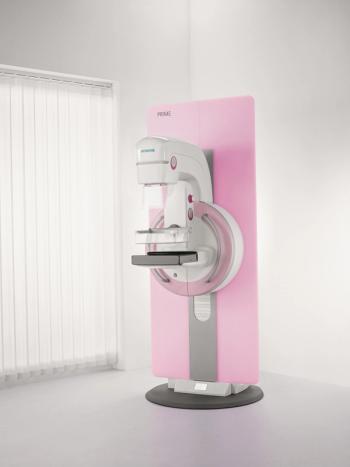
The tomosynthesis option for the Siemens’ MAMMOMAT Inspiration digital mammography system received FDA approval.

A presentation at ARRS looked at whether surgeons are really following the USPSTF guidelines.

Imaging by DECT may be an important tool in diagnosing and managing pancreatic cancer.

PET/MR has a promising future, but radiology practices will need deep pockets to implement the systems.
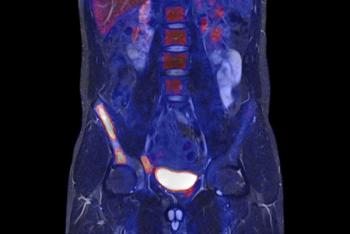
PET/MR in action.
Magnetic resonance images can add valuable information to prenatal fetal assessment.
MRI contrast agent, gadobenate dimeglumine, safety profile confirmed in 7.5-year trial.

Could the next generation of radiology reports require multimedia?
Weighing the costs of breast cancer screening and the economic impact of false positives.
Cardiac and abdominal imaging performed by residents using a pocket-size ultrasound increases diagnostic accuracy.

For this “10 Questions” series, we spoke with Benjamin W. Strong, MD about his work and the future of radiology.

Manual entry of CT dose reporting makes it highly susceptible to inaccurate information.

Patients undergoing medical imaging with radiation want their physicians to discuss the benefits and risks with them.

Magnetic resonance imaging is noninvasive and more accurate in determining serial liver iron concentration than liver biopsy.

Follow-up LDCT screening for lung cancer decreases recall rates.
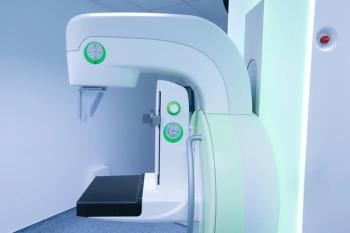
Full field digital mammography, performed instead of screen film mammography, finds fewer interval breast cancers.

Coronary CT imaging may help clinicians identify patients with suspected angina who may go on to have myocardial infarction.

Early imaging of older adults with new back pain does not improve disability outcomes.
Patients with breast cancer and very low mammographic breast density have a poorer prognosis.
Fewer CT scans are needed for trauma patients when whole-body CT is included in early trauma care, but initial WBCT results in higher dose.
Are you making as much as your colleagues? Find out with the results of our 2015 Compensation Survey.
How does your salary compare with other radiologic technologists'? Are rad techs happy in their careers?
Compare your salary and career satisfaction to other radiology administrators with results from our 2015 Compensation Survey.
The number of MRIs ordered for low back pain did not decrease after the initiation of public reporting.

The FDA has approved EchoPixel’s True3D Viewer which converts anatomical data to 3D virtual reality images.

Inappropriate imaging for low-risk prostate cancer and low-risk breast cancer varies by region.

Imaging with 18F-fluoride PET/MR provide clearer images for patients with unclear foot pain.