Imaging detects pituitary abnormalities in military veterans who have both mild traumatic brain disorder and post-traumatic stress disorder.
Imaging detects pituitary abnormalities in military veterans who have both mild traumatic brain disorder and post-traumatic stress disorder.
Images obtained by PET have shown changes in brain connections in patients with Alzheimer’s disease.
Brain changes were detected by MRI in high school football players after only one year of play.
Nuance announced partnerships with ACR and MGH to leverage PowerShare Network, a medical imaging exchange.
Using MRI to detect plaque build-up in coronary arteries may help identify patients developing mild cognitive impairment.
Mammograms with less pressure do not compromise radiation dose or image quality.

Volpara to present at RSNA 2014 next generation of VolparaAnalytics.
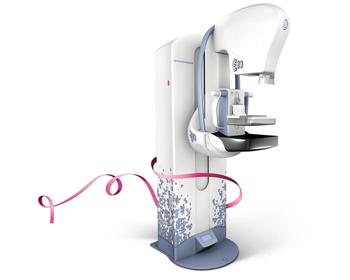
GE will demonstrate at RSNA 2014 its newly FDA-approved tomosynthesis solution.

IDS will demonstrate at RSNA 2014, AbbaDox Exchange, its new image and results communication platform.

Merge Healthcare will debut at RSNA 2014 Merge One, an ambulatory radiology site.
CoActiv will demonstrate at RSNA 2014 its cloud-based EXAM-RIS solution.
GE to showcase at RSNA 2014 its Revolution family of CT scanners.
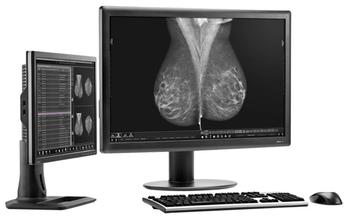
Three Palm Software will reveal at RSNA 2014 an updated WorkstationOne, its breast imaging workstation.
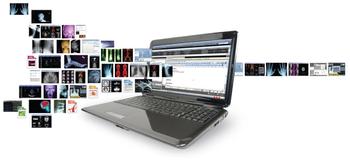
Carestream will announce a new VNA platform with advanced capabilities at RSNA 2014.
GE to demonstrate at RSNA 2014 ultrasound hardware and software.

Vendors reveal what products they are most excited about showcasing at RSNA 2014.

More diagnostic imaging tests are ordered by advanced practice clinicians than by primary care physicians.

DR Systems will debut at RSNA 2014 its cloud collaboration and communication solutions.
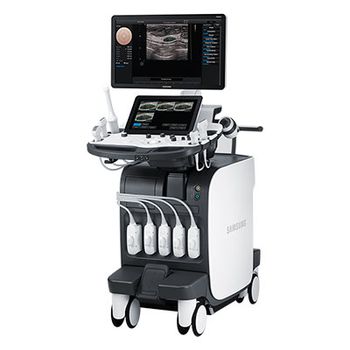
Samsung will debut at RSNA 2014 its RS80A ultrasound system, which is now available in the U.S.

GE Healthcare will debut at RSNA 2014 their SIGNA PET/MR system.

For this “10 Questions” series, we spoke with Geraldine McGinty, MD, MBA about her work and the future of radiology.
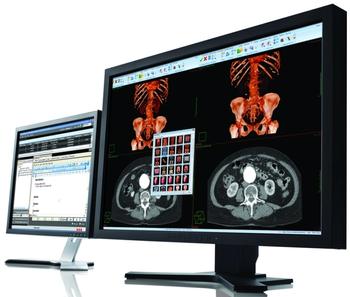
Carestream to highlight Stage 1 and Stage 2 Meaningful Use certification of the Vue RIS, and updates to the Vue PACS platform at RSNA 2014.
Radiologists should discuss not only potential complications of MRIs in patients with cochlear implants, but also potential pain from the imaging.
Imaging for patients with Ebola virus is necessary, but new protocols need to be established to prevent spread of the disease.
TeraMedica will demonstrate at RSNA 2014 its new vendor neutral archive, Evercore 6.0.

MammoCoach will debut at RSNA 2014 an online teaching product for screening mammography.
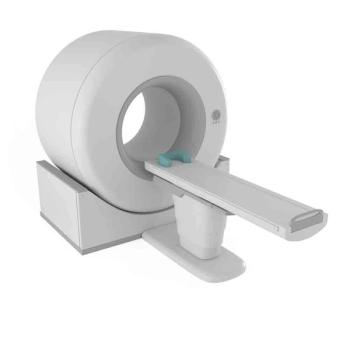
In response to reimbursement cuts, use of MRI has stayed relatively stable.
SurMD will debut at RSNA 2014 its secure, cloud-based image archival and distribution service.
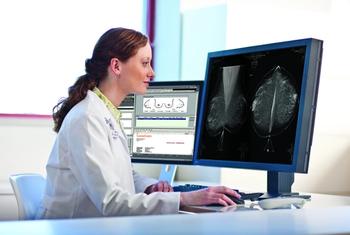
Carestream to demo new capabilities to its digital breast tomosynthesis module at RSNA 2014.
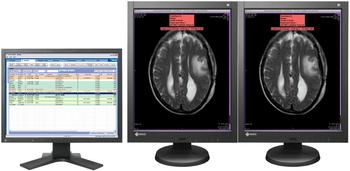
aycan at RSNA 2014 will demonstrate a new integrated RIS/PACS solution.