

Incorporating this imaging catches 11 percent more cancers, potentially affecting surgery plans and outcomes.
Whitney J. Palmer has been with Diagnostic Imaging since 2011, serving as the Senior Editor since November 2019. She has 20 years experience in healthcare and academic medicine reporting.
Incorporating this imaging catches 11 percent more cancers, potentially affecting surgery plans and outcomes.

Annual MRI screening – with or without mammography – can prevent at least 50 percent of early deaths.

The RSNA Research and Education Foundation awards 93 grants from 47 institutions.

One expert makes the case that the negative hype around artificial intelligence is not warranted and the radiologist’s role is secure.
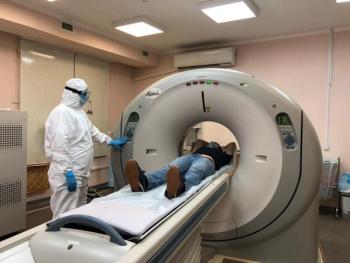
A network of nearly 50 CT facilities and the Moscow government reveal how their collaboration is working to promptly diagnose patients with COVID-19.
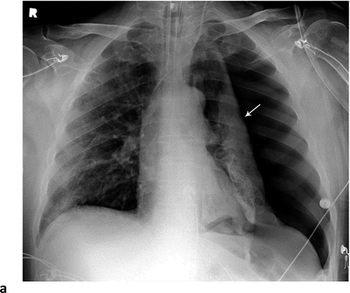
Patients positive for the virus are more likely to experience barotrauma, putting them at risk for longer hospital stays and mortality.
Rapid ASPECTS receives clearance as first neuroimaging analysis device in computer-aided diagnostic category.
ACR and RSNA leaders request the FDA slow its momentum with AI tools that work without radiologist oversight.
Partnering healthcare providers look for – and value – six main things from radiology.
The Association of American Medical Colleges predicts the specialist shortfall could swell to nearly 42,000 by 2033.
Breast cancers identified between patient screenings are more aggressive and lethal.

Tampa Bay-based practice launches text and online registration process for maximum social distancing.

Radiologists warn this magnetic cosmetic attachment could pose a risk for patients or compromise image quality.
510(k) clearance applies to four critical abnormalities; two are exclusive to Qure.ai’s product.
Diagnostic Imaging's Weekly Scan: July 3, 2020
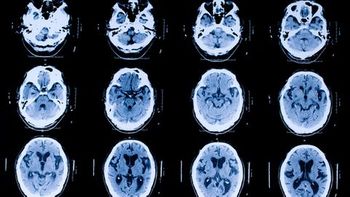
After adjusting for traditional vascular risk factors, radiologists encourage aggressive monitoring of COVID-19 patients for blood flow changes to the brain.
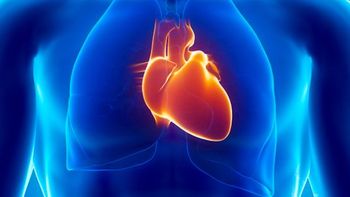
Monitoring color flow gain in 3D quantitative blood flow measurements provides accurate and reliable information.

Konica Minolta leaders outline the challenges to – and discuss tech solutions for -- provider and IT productivity during SIIM2020.
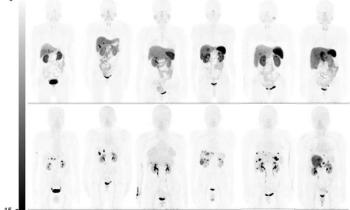
Newly created peptide antagonist outperforms standard agonist imaging agent in head-to-head comparison.

Scans used, for the first time, to examine relationship between neocortex and cognitive decline.

Internal reporting app, designed for radiologists, increased provider participation and captured incidents in a greater number of categories.

T1 mapping has the potential to determine neuroblastoma aggressiveness, as well as early efficacy of treatment.

Radiologists who use more mouse clicks to process radiographs have higher turnaround times.
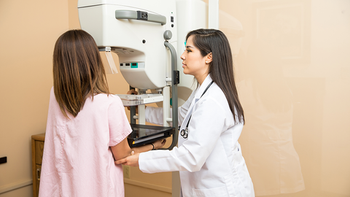
Patients rate mammogram reports with annotations as easier to comprehend.

Convolutional neural network accurately identifies “mass effect” lesions in more than 50 disease entities.
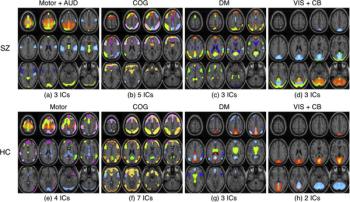
Image analysis method allows clinicians to more accurately see changes in the brains of patients with schizophrenia based on specific therapies.
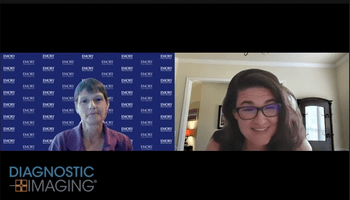
The industry should pay more attention to the interplay between providers and AI tools, says Elizabeth Krupinski, Ph.D., during SIIM 2020.
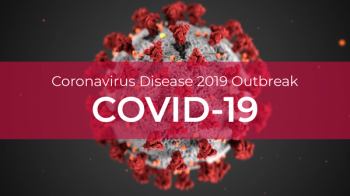
Database intended to be the largest open database of COVID-19-related imaging worldwide.

Diagnostic Imaging Weekly Scan: June 26, 2020

Amazon Alexa skill RAD-Assistant successfully retrieves pulmonary nodule and ovarian cyst clinical follow-up guidelines.