
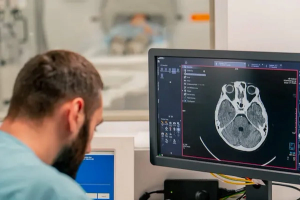
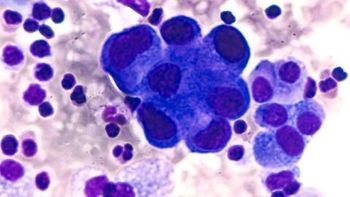
DECT and electron density offers more accurate differentiation between metastatic and non-metastatic lymph nodes when compared to FDG PET/CT.
DECT and electron density offers more accurate differentiation between metastatic and non-metastatic lymph nodes when compared to FDG PET/CT.
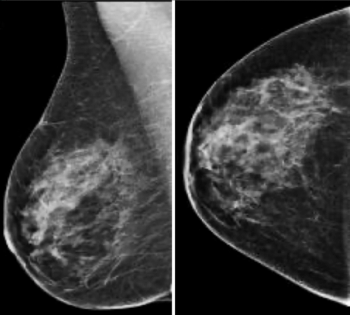
The improved cancer detection rate that catches more cancers with favorable prognoses and the lower false negative rates, improves patient outcomes and puts DBT on track to replace 2D mammography as the gold standard for screening.
Are radiologists approaching AI ethically, and what challenges exist.
Nina Kottler, M.D., chief medical officer of AI at Radiology Partners, discusses, during RSNA 2020, what new developments the annual meeting provided about these technologies, sessions to access, and what to expect in the coming year.
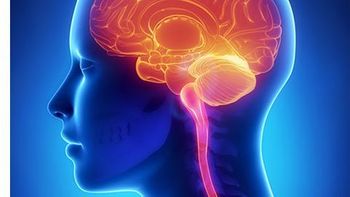
Differences in cortical thickness development correlates to cognitive differences and could be involved in increased risk for mental illness.
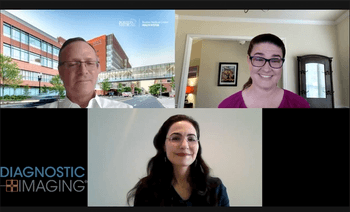
Jorge Soto, M.D., and Maureen Kohi, M.D., discuss how unconscious bias presents in radiology and the tools that providers can use to recognize and minimize the biases when they appear.
Rich Heller, M.D., with Radiology Partners, and Lucy Spalluto, M.D., with Vanderbilt University School of Medicine, discuss the highlights of their RSNA 2020 session on health disparities, focusing on the underlying factors and challenges radiologists face to providing greater access to care.
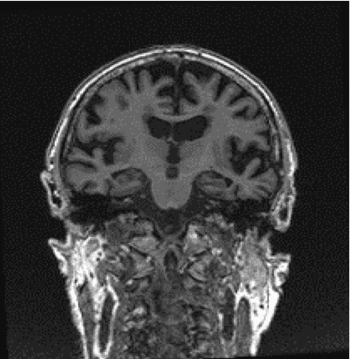
Novel deep learning model can provide needed information from multi-modal imaging even when some modalities are absent.
7T MRI and MR-Guided Focused Ultrasound present new clinical opportunities in the pipeline.
Whether a patient has a pulmonary embolism, a higher-than-normal D-dimer value can help identify patients for whom CTPA is most appropriate, alleviating some workload from emergency radiology.
Hologic’s Jennifer Meade, division president of breast and skeletal care, discusses the focus for breast imaging in the near future and some latest technologies.
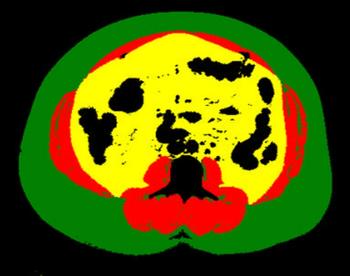
Using deep learning analysis with abdominal CT scans provides a more accurate body composition measurement that can predict which patients will suffer major cardiovascular events within five years.

Conducting screening mammography on men with a genetic risk for breast cancer can increase early detection, but clinical guidance and recommendations remain inconsistent.

Using high-resolution micro-CT with bones exposed to fire could help forensic investigators determine the timing of murders.
The mechanisms, magnitude, manifestations, and management of stroke during the pandemic.
Bright years are ahead for the industry, according to industry expert Bhavya Rehani, M.D., if focus is given to selfless service, education, technology and innovation, and engaging the global community.
Advanced imaging can help pinpoint the location and cause of lingering nerve damage in patients who have recovered from the virus.
Capturing the scan can reduce number of repeat surgeries and pinpoint additional cancers.
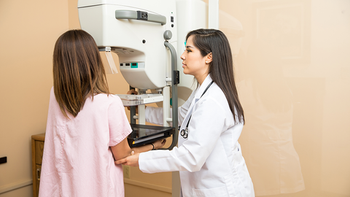
Implementing artificial intelligence tools with breast imaging can pinpoint overlooked interval cancers and decrease provider workload in screening mammography programs.
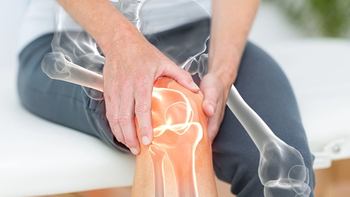
MRI shows injections can both accelerate healing time and improve range of motion.
What’s critical, and what radiologists can do.

Radiologists have the opportunity to identify women suffering intimate partner violence by detecting a specific type of forearm fracture.

When support staff step in to control communications and keep the workday running smoothly.
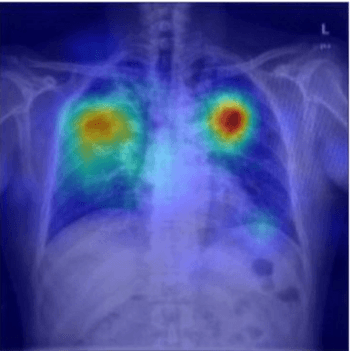
Applying a deep-learning model to a photograph of a chest X-ray can help providers in resource-poor areas diagnose the disease.
A model that uses biomarkers pulled from a woman’s mammogram does produce a more accurate breast cancer risk assessment.
By incorporating non-imaging data, the algorithm can effectively pinpoint which patients will need ICU intervention.

fMRI scans show that babies’ brain activity can be influenced through associative learning, presenting a potential strategy for promoting the development of life-long skills in infants who have injured brains.
Optically pumped magnetometer sensor detects magnetic signals that could augment the detection of traumatic brain injury and disease.
Left atrial diameter and fibrosis differences between African American and white patients could play a role the risk of ischemic stroke.

CT scans reveal impaired lung function in individuals who use biomass, such as wood or wildfires, to cook.