
Diagnostic Imaging and Testicular Cancer Risk; Digital Breast Tomosynthesis/Synthetic Mammography Combination for Breast Cancer Screening; Efficacy of Low-Dose CT Lung Cancer Screening; and the Evolving Role of the Radiologic Technologist
Diagnostic Imaging and Testicular Cancer Risk; Digital Breast Tomosynthesis/Synthetic Mammography Combination for Breast Cancer Screening; Efficacy of Low-Dose CT Lung Cancer Screening; and the Evolving Role of the Radiologic Technologist

Without official guidance, radiation dose and protocol use has differed significantly worldwide.
Even potential for over-diagnosis does not appear to increase other causes of mortality.
For the second year, ACR members will connect online for the annual meeting.

Study supports testicular shielding and efforts to reduce radiation in men and children during diagnostic scans.
The radiologic technologists and sonographers have experienced changes during the viral outbreak.

Teleradiology presents both benefits and challenges for post-pandemic imaging.

Tips on strengthening relationships in the radiology department.
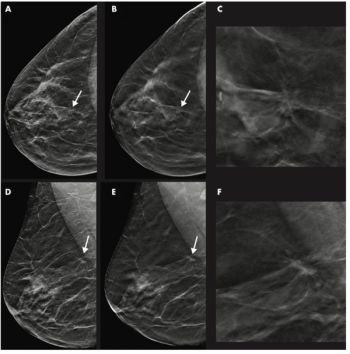
Not only did this combination improve breast cancer detection, but it could also catch more potentially invasive cancers earlier.

Together with integrated cancer care provider GenesisCare, the imaging provider looks to attack the two biggest global health problems.
New case volume-based training curriculum is designed to create a standardized competency level for radiologists-in-training.

What options do you have when presented with cases that cannot be read “as-is?”

Here's what to expect this week on Diagnostic Imaging.
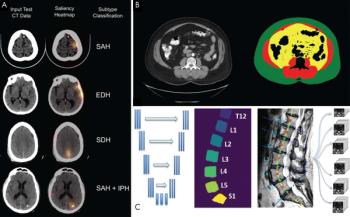
Brigham & Women’s Hospital has designed a data science pathway that can prepare radiology residents to lead the next era of artificial intelligence development and implementation.

CT can provide a diagnosis in a less invasive way and without a high false-positive rate.
Cerebral Aneurysms and CT Angiography; MammoScreen and Breast Cancer Detection; Low-Dose Lung Cancer Screening Program Performance; and Breast Cancer Screening Advocacy Efforts
In a study from China, there was no statistical significance in cancer detection rates between high-risk patients who were screened and those who were not.
Recognizing what matters to patients during the COVID-19 outbreak can help practices and hospitals meet patient needs and improve outcomes.

Open-source system makes it easier to merge clinical data with imaging files.
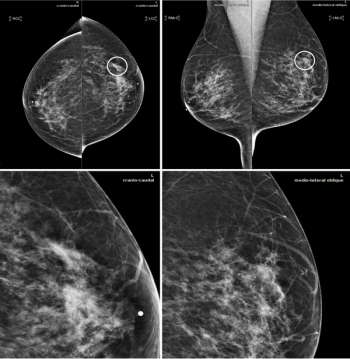
Study shows implementing the newly cleared software can slightly improve sensitivity and false negatives.

Certain parts of the brain respond differently to hot-button language found in campaign ads and speeches.
Purchasing vouchers for imaging services could present safety risks and set customer up for upselling attempts.
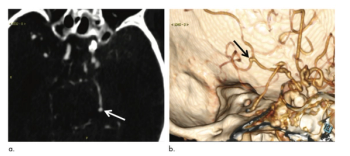
Deep learning tool improves cerebral aneurysm detection, specifically among radiologists with fewer years’ experience.
In this podcast episode, Dr. Shalom Kalnicki, from Montefiore and Albert Einstein College of Medicine, discusses the disparities minority patients face with cancer screenings and what can be done to increase access during the pandemic.

Among providers, including radiologists, who test positive for a sleep disorder, more than 90 percent have been undiagnosed and untreated.
Knowing the reasons behind your decisions – especially ones that affect patients – can be as important as the decision itself.

Here's what to expect this week on Diagnostic Imaging.
Imaging utilization has varied by socioeconomic factors during the COVID-19 outbreak.
A convolutional neural network can accurately measure skeletal muscles, helping predict patient survival.
Breast Cancer Screening in Indian & Pakistani Women; Fluciclovine PET for Prostate Cancer Imaging; Cardiac Ultrasound & COVID-19; and Improving Mammography Patient Experience