













Is due consideration of patient history, demographics, and previous imaging essential or a cheater’s crutch when assessing new imaging?
Is due consideration of patient history, demographics, and previous imaging essential or a cheater’s crutch when assessing new imaging?
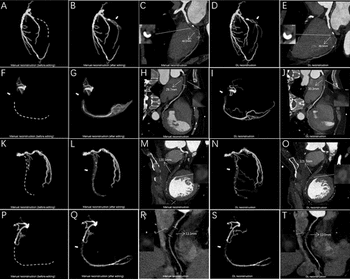
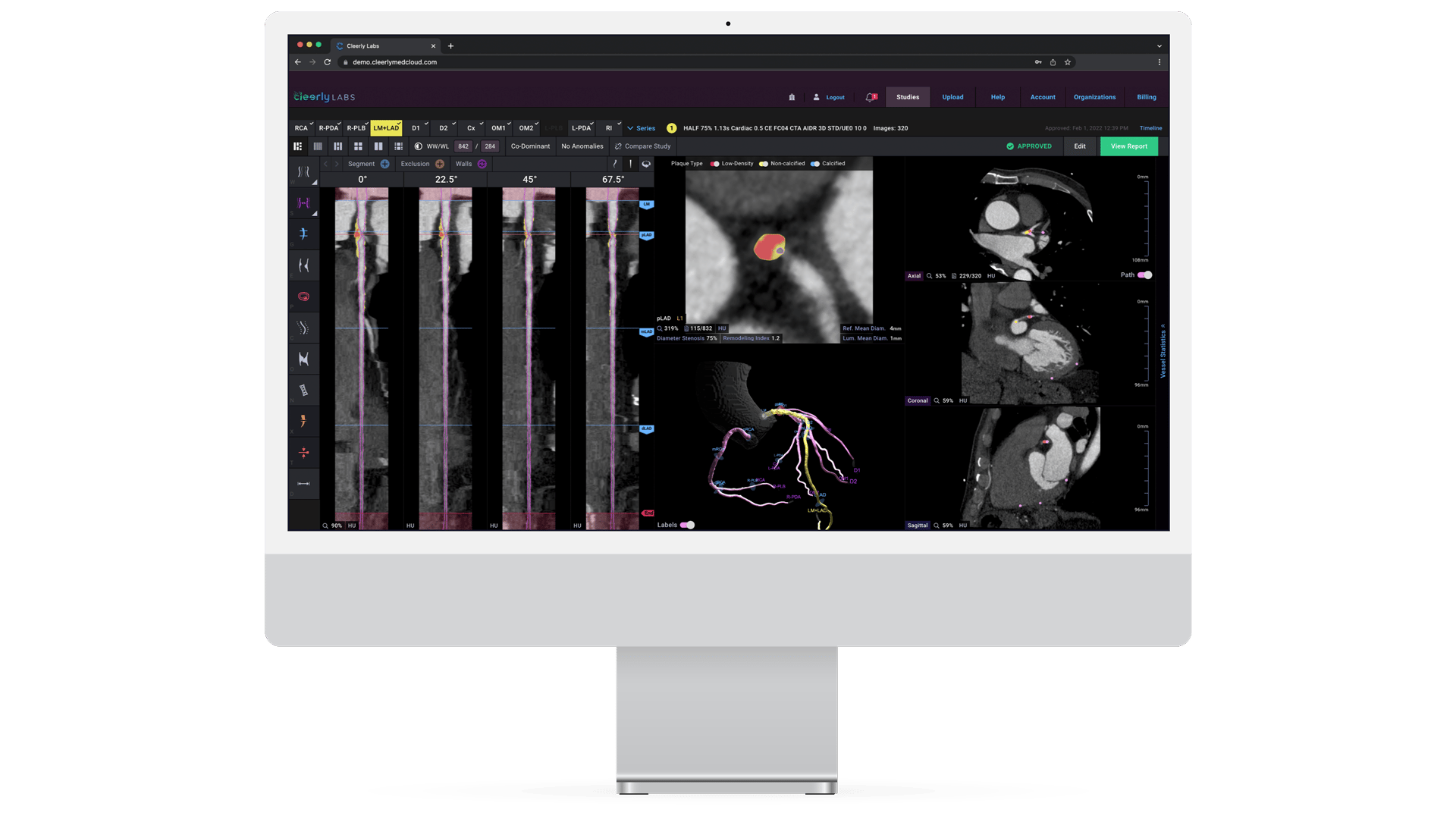
Emerging research revealed that a deep learning model had a nearly twofold increase in successful segmentation and reconstruction of coronary total occlusions (CTOs) on coronary computed tomography angiogram (CCTA) and a 73 percent reduction in post-processing and measurement time in comparison to a conventional manual approach.

Catch up on the top AI-related radiology content of the past month.
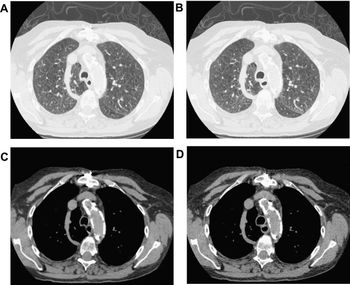
Rads will always have to deal with forces outside of their control, but it’s how we address those forces that makes us the type of radiologist we can be proud of.
Catch up on the top radiology content of the past week.
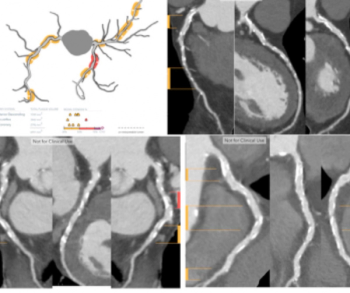
Plaque Analysis and RoadMap Analysis, two artificial intelligence (AI)-enabled assessment products, may enhance clinical evaluation of coronary artery disease (CAD) on cardiac computed tomography angiography (CCTA).
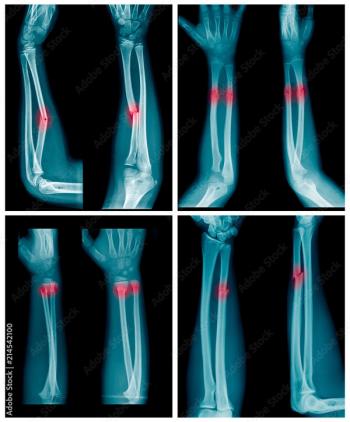
While facilitating interdisciplinary colloaboration is a central objective with enterprise imaging platforms, this author says implementation of these platforms must ensure optimal patient privacy in sensitive cases involving abuse, assault and domestic violence.
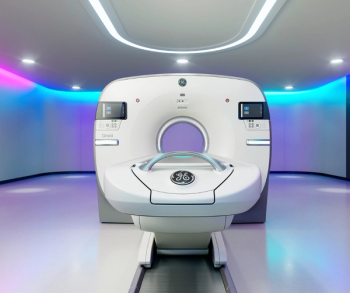
The inclusion of digital bismuth germanate (BGO) detector material with the Omni Legend system reportedly more than doubles the sensitivity of older PET/CT devices, improves scan times, and enhances the detection of small lesions.
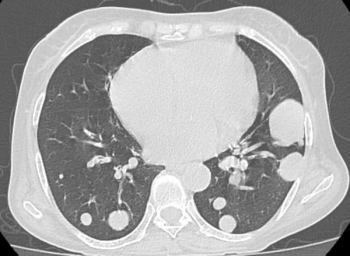
Out of 1,600 patients who had surgery for colorectal cancer, nearly 15 percent had pulmonary metastases within 15.4 months and higher-risk patients experienced lung metastases within three months, according to new research presented at the Scientific Forum of the American College of Surgeons Clinical Congress.
Catch up on the top radiology content of the past week.
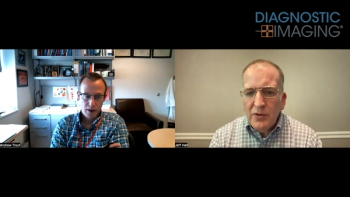
In a recent video interview, Andrew Trout, MD discussed key attributes and efficiencies in utilizing the Discovery MI Gen 2 digital positron emission tomography/computed tomography (PET/CT) system at the Cincinnati Children’s Hospital Medical Center.
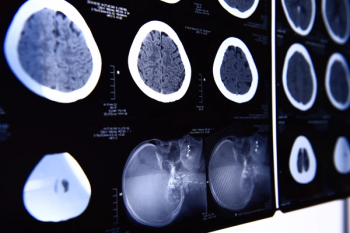
A multi-year agreement with a large Chile-based supplier of raw iodine is part of GE Healthcare’s commitment to increase the production of iodinated contrast media, commonly used in computed tomography imaging, by 30 million annually in 2025.
Catch up on the top radiology content of the past week.

TeraRecon Neuro reportedly offers six automated and customizable computed tomography (CT) perfusion maps that facilitate assessment of brain function in hemorrhagic and ischemic neurological cases.
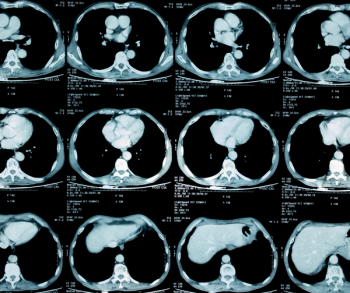
Modifications to pack-year history and smoking quit duration thresholds beyond those recommended in the 2021 United States Preventative Services Task Force (USPSTF) criteria for low-dose computed tomography lung cancer screening may more than double the number of increased lung cancer cases physicians would see with application of the 2021 USPSTF screening criteria.
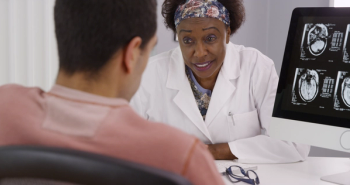
In a thorough review of the literature, these authors discuss current approaches and emerging initiatives to increase the understanding of radiology reports by referring physicians as well as patients.
Catch up on the top radiology content of the past week.
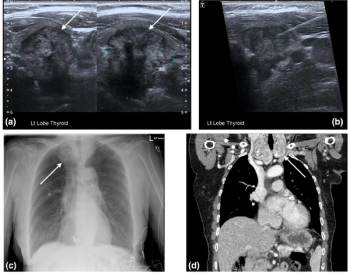
In light of recent shortages of iodinated contrast media, researchers from Australia suggest in a new publication that ultrasound and magnetic resonance imaging (MRI) can be viable first-line imaging options for a number of non-urgent presentations of the head and neck.

Catch up on the top AI-related radiology content of the past month.
Catch up on the top radiology content of the past week.
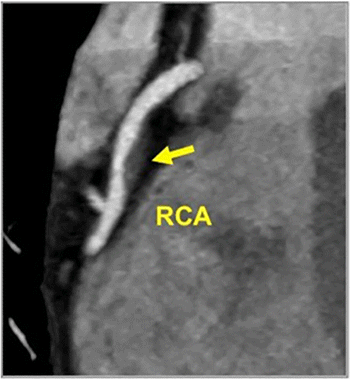
In an update of the original CAD-RADS™ consensus document on coronary artery disease (CAD) imaging and reporting published in 2016, expert panelists incorporated emerging evidence for CAD-RADS 2.0 to recommend new categorization for coronary plaque burden and suggested modifiers to reflect the level of ischemia and high-risk plaque in patients undergoing cardiac computed tomography.
Catch up on the top radiology content of the past week.
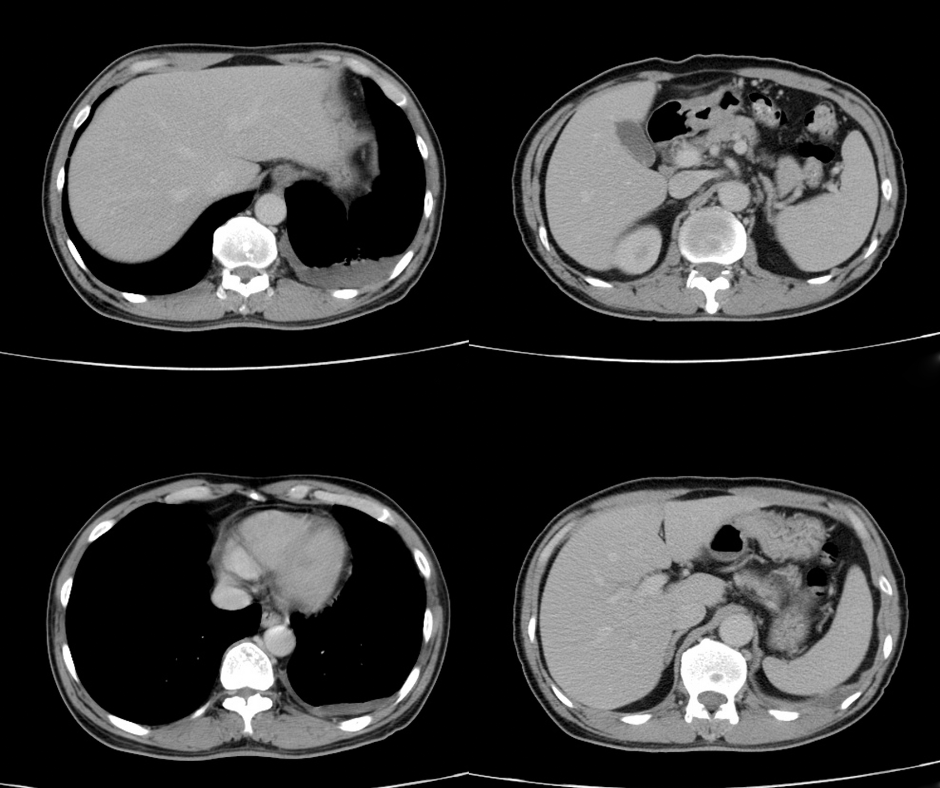
What is the diagnosis?
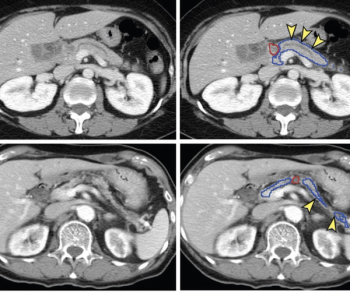
New research reveals that an emerging deep learning tool had comparable sensitivity and specificity to radiologist assessment of contrast-enhanced computed tomography (CT) scans for pancreatic cancer, and a 74.7 percent sensitivity rate for tumors smaller than 2 cm.