













Juggling a physician’s perspective and a layperson’s view can be a tricky juxtaposition at times.
Juggling a physician’s perspective and a layperson’s view can be a tricky juxtaposition at times.
Catch up on the top radiology news of the past week.

Magnetic resonance imaging (MRI) had better accuracy than prostate-specific membrane antigen (PSMA) positron emission tomography/computed tomography (PET/CT) “for detecting any grade of prostate cancer,” according to new study findings presented at the European Association of Urology Annual Congress (EAU22) in Amsterdam.
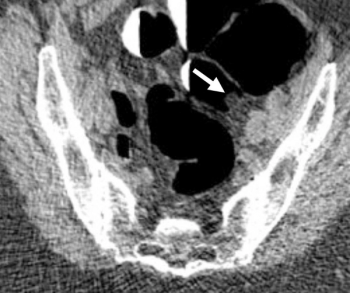
Citing “insufficient” evidence, the Centers for Medicare and Medicaid Services (CMS) has declined a formal request by the American College of Radiology and multiple patient advocacy groups to reevaluate the lack of Medicare and Medicaid coverage of computed tomography colonography (CTC) for colorectal cancer screening.

With an evenhanded perspective, this author looks at the challenges and frustrations for both sides of the IT help desk line in radiology.

The addition of Biodesix’s Nodify Lung nodule risk assessment tool to Philips’ lung cancer patient management system may enhance diagnostic efficiency and facilitate improved management of high-risk patients.
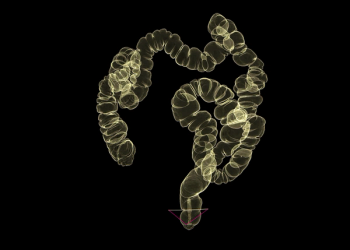
In a large study looking at the use of colorectal cancer screening techniques (including computed tomography (CT) colonography) between 2000 and 2018, researchers found that the 50 to 54 age group had the lowest increases in screening and a significantly higher chasm of racial and socioeconomic disparities in comparison to other age groups.

Calantric™ Digital Solutions reportedly offers artificial intelligence (AI)-powered apps, bolsters lesion detection, facilitates triage priorities and enhances workflow efficiency.

In a recent video interview, neurologist Pardis Zarifkar, MD discussed a new study that found significantly elevated risks for Alzheimer’s disease and Parkinson’s disease among patients who tested positive for COVID-19.

Does excess boilerplate verbiage hamper the review of radiology reports by referring physicians?
Catch up on the top radiology news of the past week.

Recognizing the significant potential for workplace injuries in the radiology field, these authors discuss the proactive benefits of optimal positioning and disruptions of static posture as well as a heightened management awareness of ergonomic solutions and potential issues in maneuvering mobile imaging units.
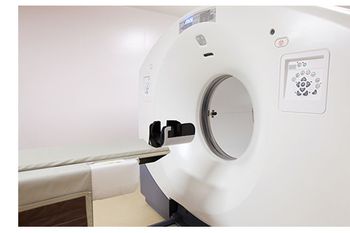
The radiopharmaceutical is already approved for use in PET imaging in men with suspected prostate cancer recurrence.

What is your diagnosis?
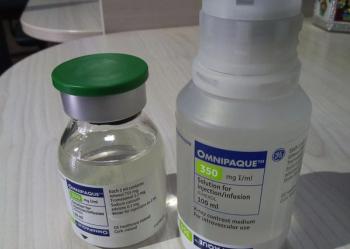
As the iodinated contrast media shortage continues to have a significant adverse effect on radiology, these authors assess the pros and cons of emerging strategies and imaging alternatives.

In a recent video interview, abdominal radiologist Sonia Gupta, MD discussed key principles in assessing potential alliances with artificial intelligence (AI) vendors and the potential of AI to alleviate the time-consuming, administrative aspects of patient care.
Catch up on the top radiology content of the past week.
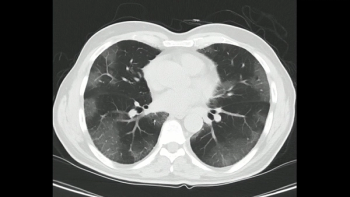
Noting that an AI software platform could save radiologists up to an hour a day in interpreting chest computed tomography (CT) scans, the authors of a prospective study found shorter mean interpretation times with non-contrast and contrast-enhanced CT as well as positive CT scans with and without significant new findings.

What is your diagnosis?
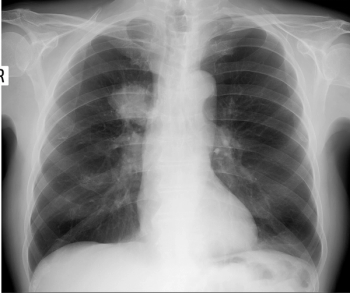
Emerging research shows a 14.5 percent increase among African Americans getting screened for lung cancer, which may be attributable to the United States Preventive Services Taskforce (USPSTF) lowering the minimum screening age to 50 and decreasing the smoking intensity screening threshold from 30 pack years to 20 pack years in March 2021.
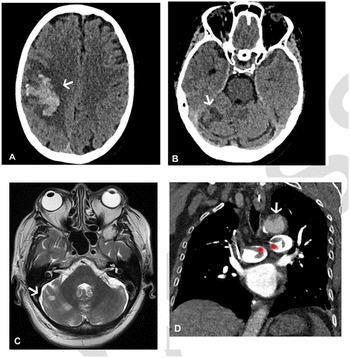
In what may be the largest study to date to examine the use of whole-body imaging to assess multisystem thrombosis in patients with COVID-19 vaccine-induced immune thrombotic thrombocytopenia, researchers found multiple sites of thrombosis in 83 percent of patients who had additional CT, MRI and/or ultrasound imaging beyond the area of their primary complaint.

Whether it is humorous associations with common terminology, oddities on X-rays or decidedly uncomfortable imaging findings, this author shares a few chuckles from his experience.
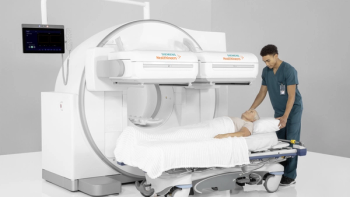
The newly FDA-cleared Symbia Pro.specta SPECT/CT Scanner, which reportedly offers a variety of enhanced capabilities including low-dose CT up to 64 slices and intuitive workflow guides, was launched at the Society of Nuclear Medicine and Molecular Imaging (SNMMI) 2022 Annual Meeting.
Catch up on the top radiology content of the past week.
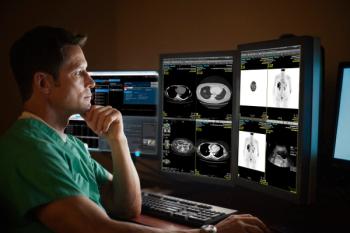
The new workload management system reportedly emphasizes predictive analytics to facilitate efficient workload distribution and increase reading capacity for radiologists.