













Catch up on the top radiology content of the past week.
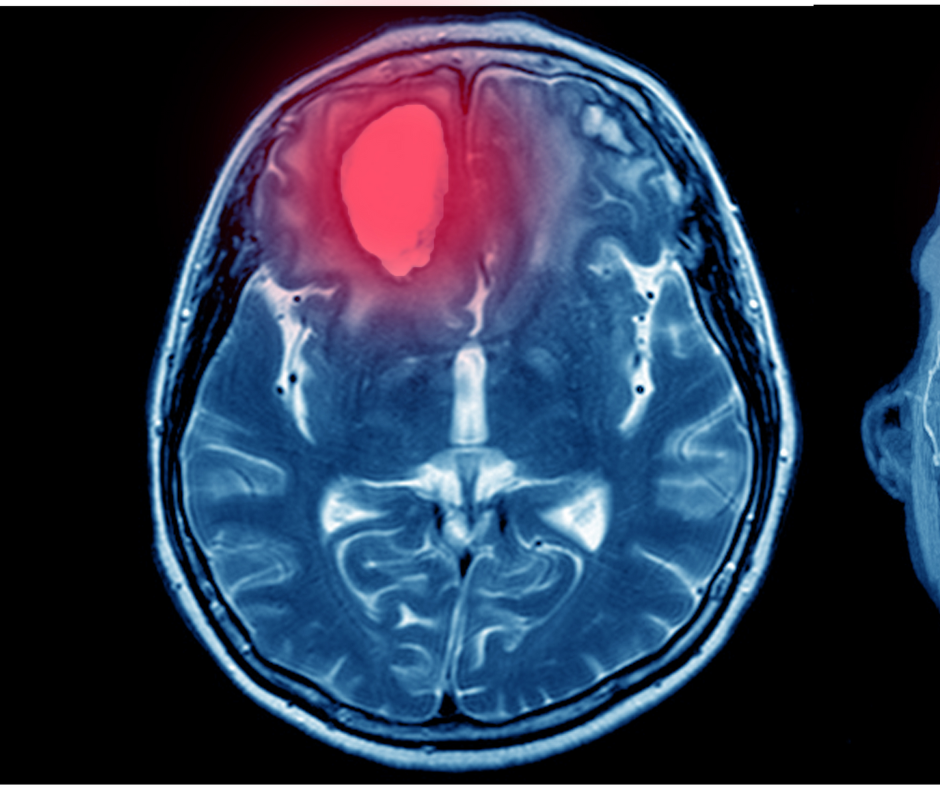
A 3D whole brain convolutional neural network could provide enhanced sensitivity and specificity for diagnosing intracranial hemorrhages on computed tomography, according to new research presented at the Society for Imaging Informatics in Medicine (SIIM) conference in Kissimmee, Fla.
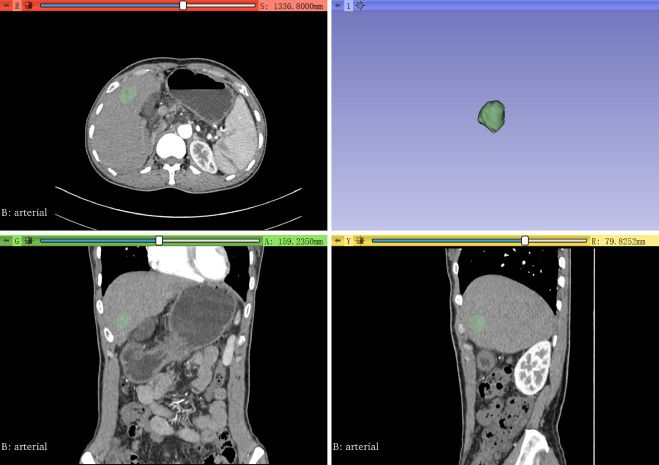
CT Radiomics Nomogram Shows Promise in Predicting Early Recurrence of Hepatocellular Carcinoma After Liver Transplant
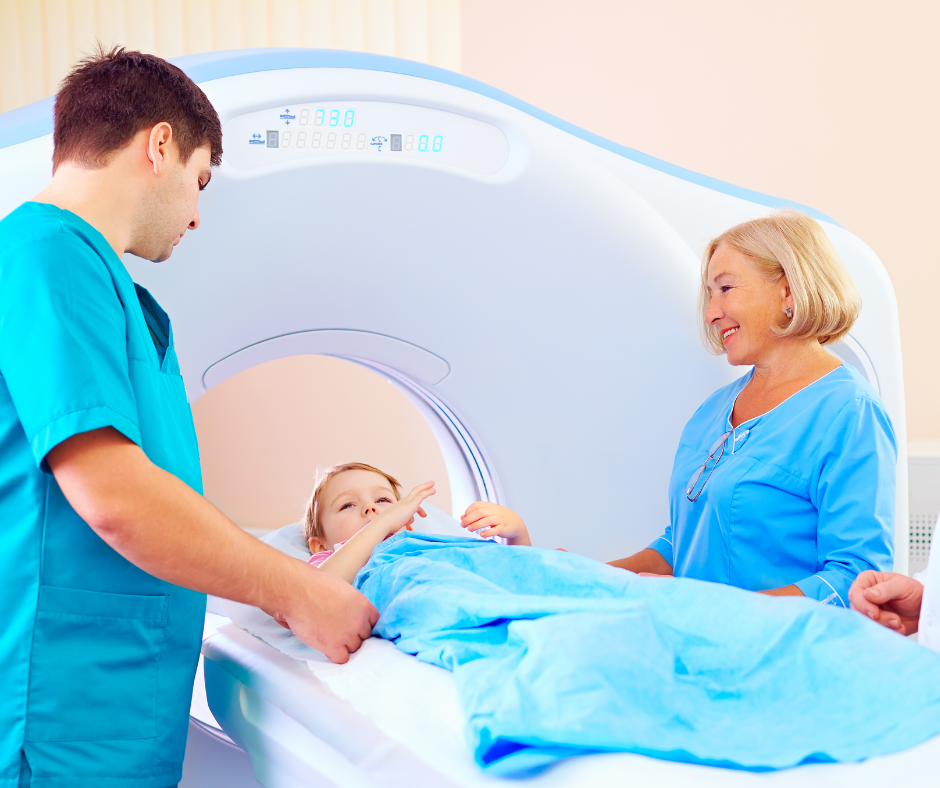
ACR Challenges FDA Guidance on Thyroid Monitoring for Young Children Exposed to Iodinated Contrast Media
Catch up on the top radiology content of the past week.

In a recent video interview on the current iodinated contrast media shortage, neuroradiologist Sean Bryant, MD discussed imaging alternatives, emphasized communication with referring physicians on optimal studies, and discussed the ongoing need to prevent “protocol creep” with timely updates of imaging protocols.

The resumed production of GE Healthcare’s Omnipaque products is a welcome development for radiologists scrambling to come up with alternative dosing and imaging options in the past month during the temporary shortage of iodinated contrast media.
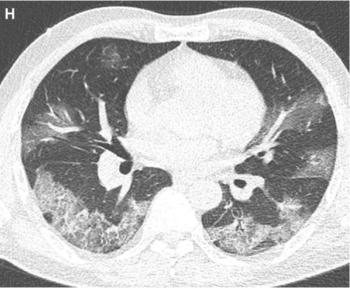
Patients who had breakthrough COVID-19 infections and full vaccination with the BNT162b2 vaccine (Pfizer/BioNTech) were 36 percent less likely to develop related pneumonia than unvaccinated patients with COVID-19 infections.

What is your diagnosis?
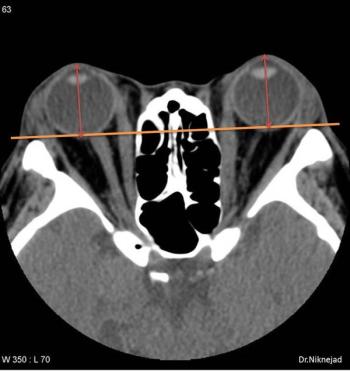
In an ongoing quest to reduce the impact of the temporary iodinated contrast media (ICM) shortage, a group of researchers recently examined Medicare claims data to identify high-frequency usage patterns of contrast-enhanced computed tomography (CECT) services.
Amid a bevy of questionable referrals for X-rays and computed tomography (CT) scans, an unwavering due diligence prevents skepticism from giving way to cynicism and a possible missed diagnosis.
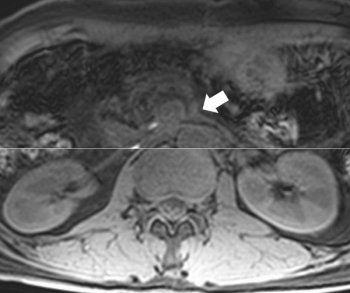
For post-op monitoring of patients who had pancreatic ductal adenocarcinoma (PDAC) resection, a new study showed that diffusion-weighted magnetic resonance imaging (MRI) had enhanced sensitivity for detecting recurrent tumors in comparison to conventional MRI.
Catch up on the top radiology content of the past week.
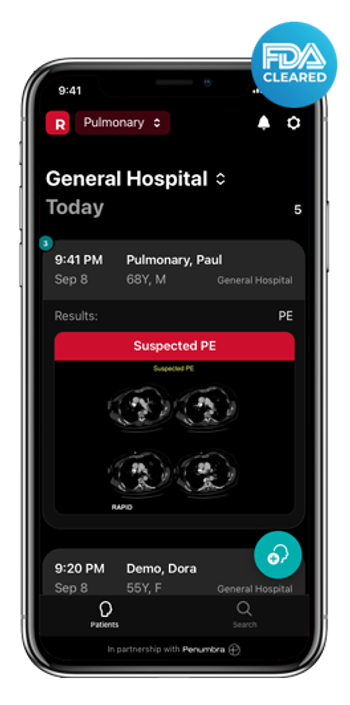
The new artificial intelligence-powered software reportedly helps detect central pulmonary embolism (PE) on computed tomography pulmonary angiogram (CTPA) images and streamlines communication among interventional teams to bolster treatment outcomes.
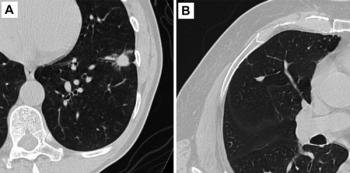
A new study revealed that an emerging artificial intelligence (AI)-enabled software tool led to improved sensitivity, specificity and inter-observer agreement for the diagnosis of indeterminate pulmonary nodules on chest computed tomography (CT) scans.

Amid a glut of unnecessary imaging requests, common worklist frustrations and perceptions from other clinicians that they can interpret medical images just as well, recognizing your role as a humble difference maker may provide the ultimate RVU for patients.
Catch up on the top radiology content of the past week.

In a recent video interview, two radiology professors from the Yale School of Medicine discussed the impact of the iodinated contrast media (ICM) shortage and potential strategies, ranging from ICM dose reduction to possible deferment of non-urgent imaging, that may provide a viable path moving forward.

Is it a thoughtless verbal reflex or a failure to go beyond a surface read of imaging?
Catch up on the top radiology content of the past week.

In recent video interviews, Syam Reddy, MD, Judy Yee, MD and Anand Narayan, MD, discussed various benefits of computed tomography colonography (CTC) for colorectal cancer screening, the underutilization of the CTC procedure and steps moving forward to improve access to this procedure.
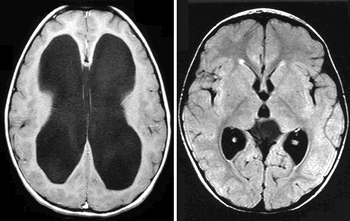
Given the challenges with the shortage of the iodinated contrast agent Omnipaque, national and state organizations have issued suggested risk mitigation and conservation strategies to reprioritize imaging needs during this temporary shortage.

Sharing insights from their recent presentation at the American Roentgen Ray Society (ARRS) conference in a new video interview, researchers discussed how sex-based differences have an impact in the imaging and diagnosis of ischemic heart disease (IHD) in women.

When remaining cool and collected is a challenge, providing an overload of detail is another way of turning the tide with a frustrating referring clinician.
Check out top radiology content from the past week.
What is the diagnosis?
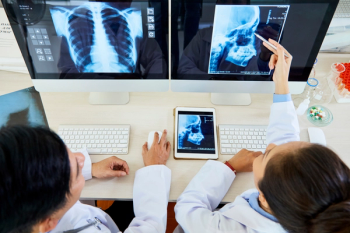
Addressing alternate realities may be common practice for radiologists when they are subjected to questionable or negligible patient histories.
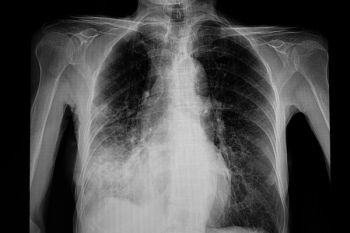
In a lung screening cohort of over 2,500 people, researchers found that significantly higher rates of chronic kidney disease and chronic heart failure were associated with increased hospitalization and mortality rates in patients with COVID-19.