

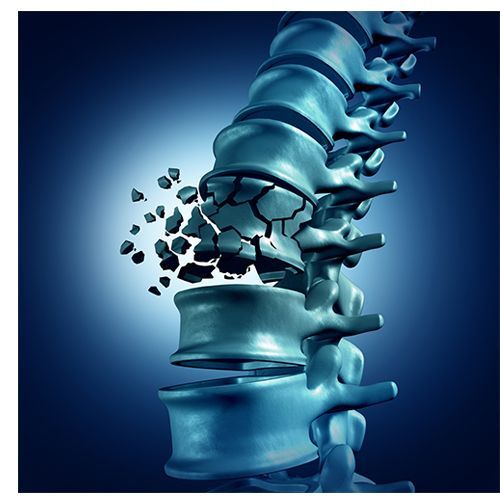














Adolescent male presented with complaint of pain in the left hip, which is relieved by analgesics.
Adolescent male presented with complaint of pain in the left hip, which is relieved by analgesics.

HIV-positive individuals experience more coronary plaque even if they have low-to-moderate risk for cardiovascular disease.

Using a deep learning tool slices reading time by nearly 75 percent and makes disease identification easier.

Wide variation in follow-up recommendations for pancreatic cysts could affect supplemental imaging.

Take a quick look at Diagnostic Imaging's Top 5 stories of the week.

The latest products released on the market for Quarter 2 2021.

Drs. Charles Liu and Jonathan Russin discuss the benefits and potential of fPACT, the alternative to functional MRI.

Here's what to expect this week on Diagnostic Imaging.

Using PET/CT images to assess the level of a non-small cell lung cancer biomarker can help patients avoid invasive biopsy.
Take a quick look at Diagnostic Imaging's Top 5 stories of the week.

Identification of optimal heart rate supports use of beta blockers when possible.

Recently approved PMSA-targeted radiotracer can pinpoint biochemical recurrent prostate cancer in men with unhelpful standard imaging.
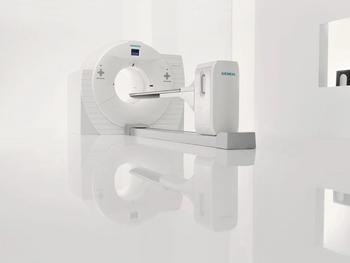
Patients with mild cognitive impairment who take lipophilic statins have a more than doubled risk of progressing to dementia.

Tested so far in animal models, this tracer could further the development of treatments for this life-threatening disease for which there are currently no therapies.
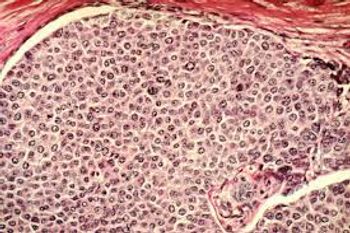
New therapy uses light from decaying radiopharmaceuticals to attack cancer cells from inside the body.
Here's what to expect this week on Diagnostic Imaging.

Using an external tracking device can lead to super-resolution that can potentially improve neurological disorder detection.
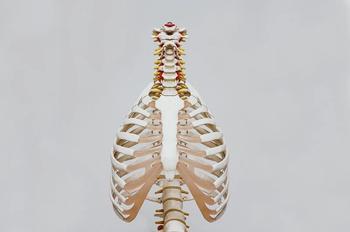
Use enables direct imaging of disease process.

Using advanced artificial intelligence can give patients a personalized assessment of their risk for significant events, such as heart attack or death.
Take a quick look at Diagnostic Imaging's Top 5 stories of the week.

Lower-dose protocols, which are not used as frequently as possible, can reduce re-imaging.

Patients who have their disease detected with low-dose CT have a half-fold risk of brain metastasis than patients screened with other methods.
Take a quick look at Diagnostic Imaging's Top 5 stories of the week.
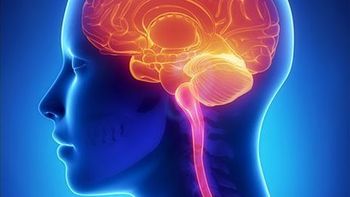
Homeless patients suffering from seizures undergo more CT scans, largely due to lack of access to chronic care, leading to a higher radiation dose and cancer risk.

Using advanced PET imaging instead of just traditional imaging alone can improve outcomes for patients with prostate cancer.