













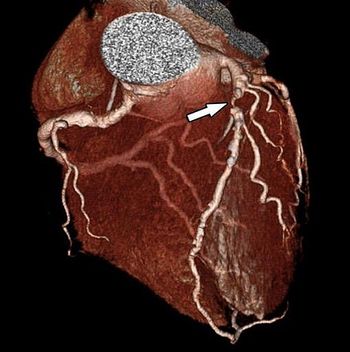
For patients with stable chest pain and suspected coronary artery disease (CAD), emerging evidence shows that cardiac computed tomography (CT) has a lower risk of major procedure-related complications than catheterization.
For patients with stable chest pain and suspected coronary artery disease (CAD), emerging evidence shows that cardiac computed tomography (CT) has a lower risk of major procedure-related complications than catheterization.

What is your diagnosis?
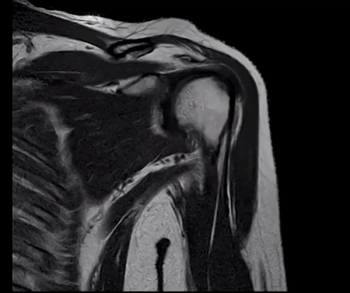
A new artificial intelligence tool reportedly overcomes resolution issues of standard magnetic resonance imaging (MRI) scans with 3D images of the shoulder bones and may eliminate pre-operative use of computed tomography (CT) for total shoulder arthroplasty procedures.
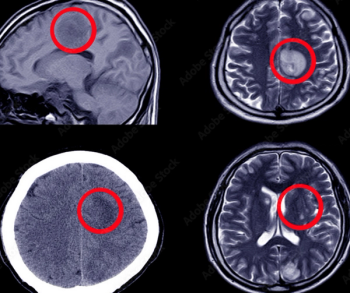
A recent study found that Viz ANEURYSM had a 94 percent accuracy rate of diagnosing subarachnoid hemorrhages on computed tomography angiography (CTA).

What is your diagnosis?

What is your diagnosis?
What is your diagnosis?
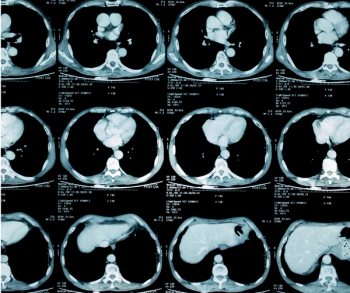
In a new national coverage determination, the Centers for Medicare and Medicaid Services (CMS) have lowered the starting thresholds for lung cancer screening from 55 to 50 years of age and from a 30-pack/year tobacco smoking history to 20 packs a year.
What is your diagnosis?
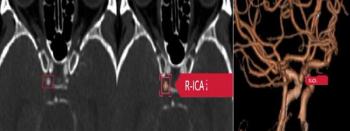
Researchers say the complementary use of artificial intelligence may significantly improve the accuracy of radiologists in diagnosing intracranial aneurysms.
What is your diagnosis?
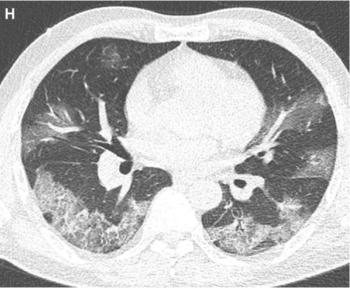
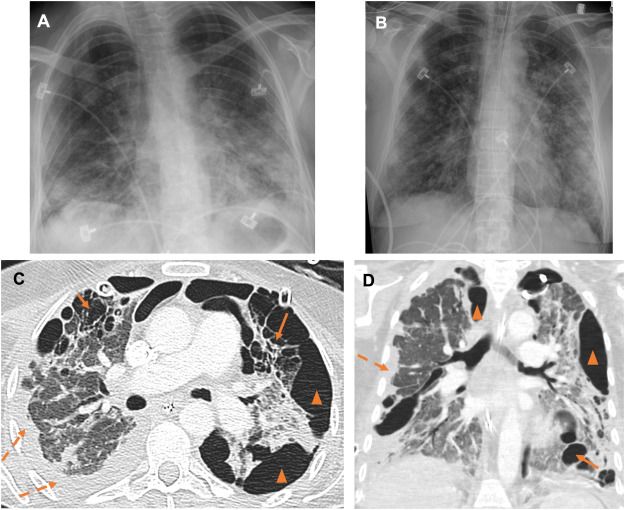
In a recently published study involving hospitalized patients with COVID-19, researchers compared chest CT findings of vaccinated, partially vaccinated, and unvaccinated patients.

In an exclusive video interview with Diagnostic Imaging, Josh Cooper, vice president of congressional affairs for the American College of Radiology (ACR), and Thomas Hoffman, vice president of legal for the ACR, discuss the ACR’s lawsuit over the IDR process of the No Surprises Act and the potential impact of the law on reimbursement and patient access to care.
What is your diagnosis?
What is your diagnosis?
While current projections suggest a shortage of radiologists in the future, promising developments with radiology residency positions, medical student awareness of the field and AI-aided efficiencies could be game changers.
During the pandemic and beyond, working from home as a radiologist can present clear work-life advantages.
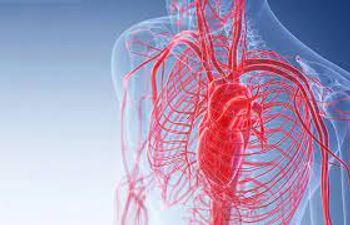
New research suggests an emerging machine learning model that combines findings from advanced imaging with clinical data may improve risk stratification in people with coronary artery disease.
Can you make the diagnosis?
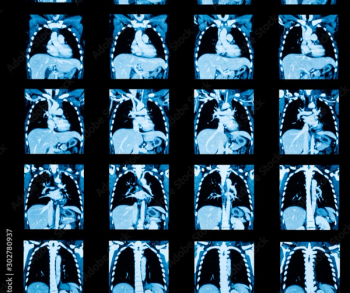
Code for quantitative CT tissue characterization goes into effect on July 1.
Emerging research suggests that strict adherence to the Lung-RADS classification may not lead to optimal detection of cancer.
Study findings suggest that assessment with the simpler and more commonly available non-contrast computed tomography (CT) may widen the indication for treating patients in the extended window.
A new study suggests that patients with negative RT-PCR tests who are suspected of having COVID-19 may benefit from chest computed tomography (CT), which could help identify early stages of the disease.

Review our most popular Image IQs of 2021 and test your radiology knowledge!
Canon's latest entry into the PET/CT market is a digital, air-cooled system that provides customizable solutions for a range of clients.