

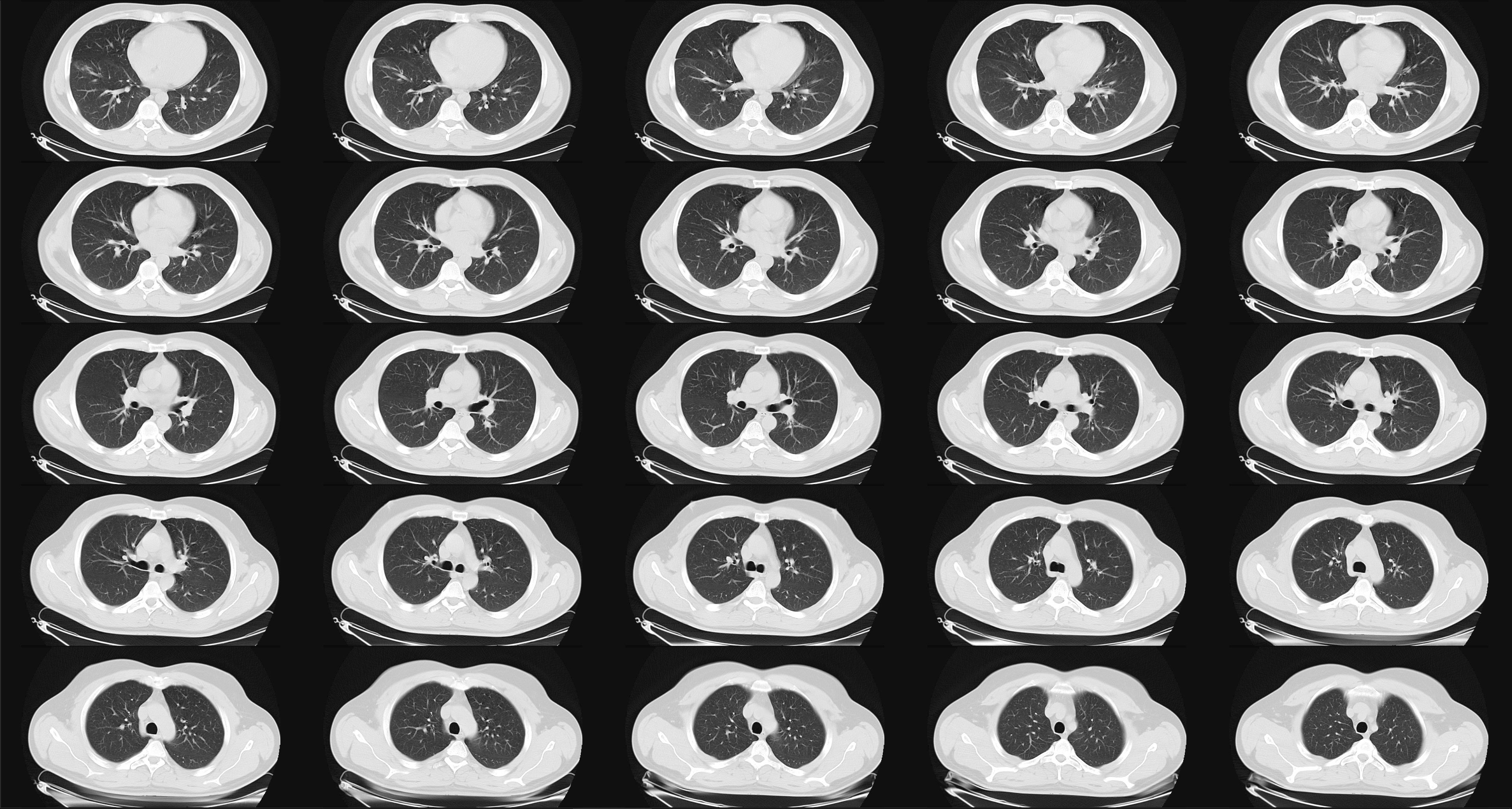











What is your diagnosis?
What is your diagnosis?
Combination can also help patients avoid unnecessary invasive procedures.
What is your diagnosis on this MRI?
Use of head and neck CTA has increased significantly among commercially insured and Medicare Advantage patients.
Take a quick look at Diagnostic Imaging's Top 5 stories of the week.
Imaging use has spiked annually for nine years.
Patients who switch contrast media prior to a CT scan have fewer allergic reactions than do those treated with steroid pre-medication.
Warming media to body temperature does not decrease rate of adverse events.
Implementing routine use of these techniques could offer the most opportunity for assessment, but there are risks to doing so.
Take a quick look at Diagnostic Imaging's Top 5 stories of the week.
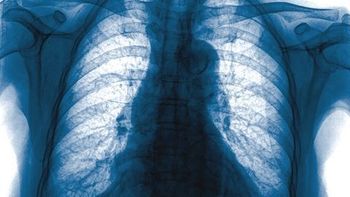
Both board-certified radiologists and radiology residents more appropriately suggested chest CT follow-up when using artificial intelligence with chest X-ray.

More than 70 percent of patients exhibit lingering sequelae.
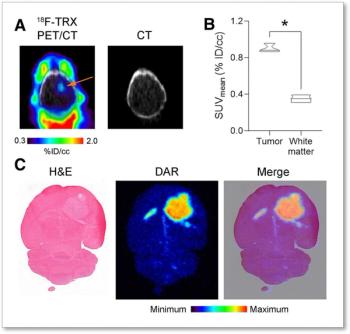
Measurements can help predict which tumors will respond to targeted therapies.

Study shows general radiologists in community settings have nearly the same level of diagnostic accuracy as abdominal fellowship-trained providers.
Take a quick look at Diagnostic Imaging's Top 5 stories of the week.
System does a better job of indicating which patients with acute chest pain could experience adverse outcomes.
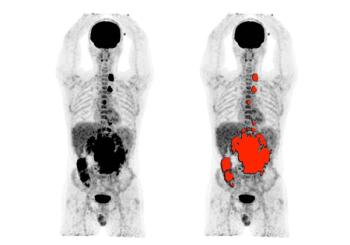
GE is backing a partnership between Quibim and other molecular imaging partners.
Survey shows orthopedic surgeons do read radiology reports, but they have recommendations for improvements.
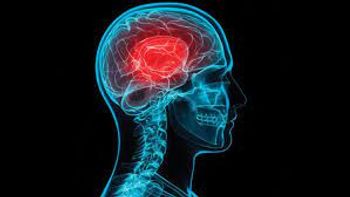
Brain imaging findings correlate with recovery prognosis and long-term injury.
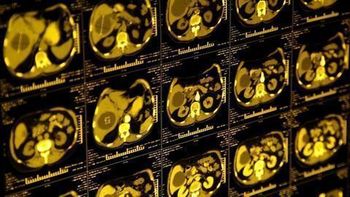
American College of Chest Physicians has published new expert panel guidance around the use of low-dose CT.
Take a quick look at Diagnostic Imaging's Top 5 stories of the week.
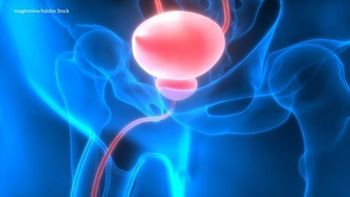
Having the right technology in place can boost patient confidence in therapy.
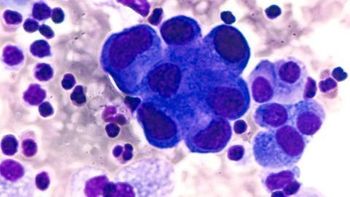
The potential opportunities are numerous for virtual biopsies, radiomics, and radiogenomics.

Here's what to expect this week on Diagnostic Imaging.
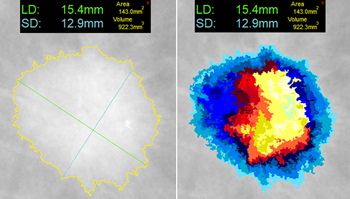
One-click tool is designed to deliver precision consistently across all imaging modalities.