

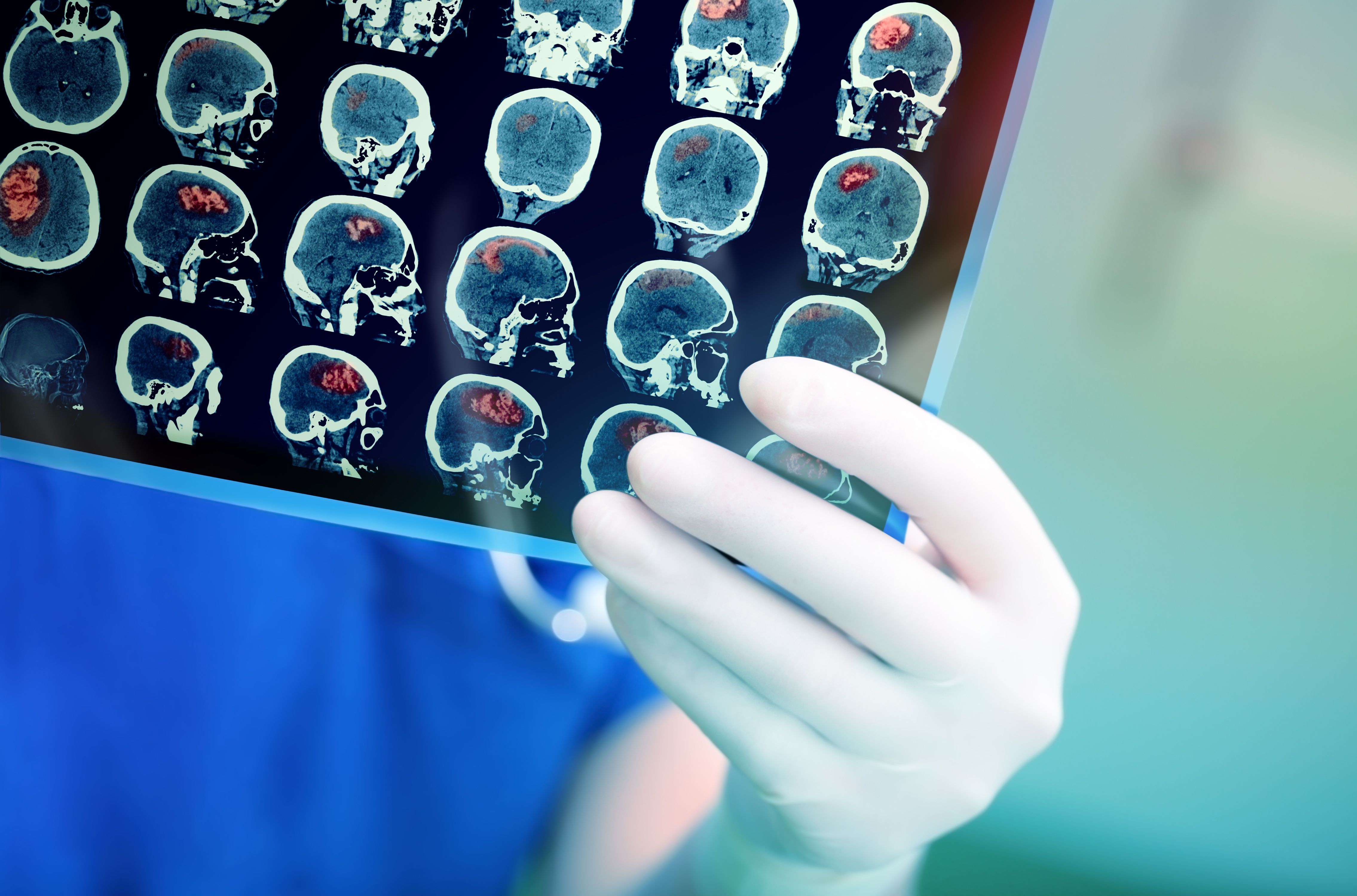












Study findings further highlight the central role of PET/CT in disease response after CAR-T cell therapy.


New CT Protocol May Improve Diagnosis of Acute Chest Pain by 40 Percent

New Version of Revolution Apex CT Platform Offers Increased Scalability and Efficiency
Study findings further highlight the central role of PET/CT in disease response after CAR-T cell therapy.
Cost, lower literacy levels and fear of lung cancer diagnosis were highlighted as concerns with lung cancer screening.
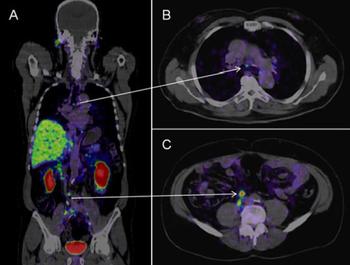
PSMA PET is highly robust in identifying prostate cancer lesions which are otherwise deemed unremarkable.
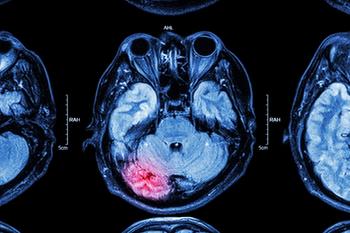
A deep learning model was developed to detect intracranial hemorrhage in computed tomography scans without medical annotation.

COVID-19 can result in cardiac complications including myocarditis, arterial and venous thromboembolism, and cardiomyopathy.
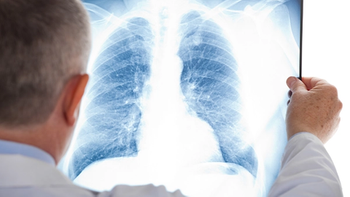
Artificial intelligence has been shown to be beneficial in the discovery of prognostic biomarkers for lung cancer diagnosis, treatment, and response evaluation.

Learn more about what Canon Medical will be showcasing virtually at RSNA 2021.
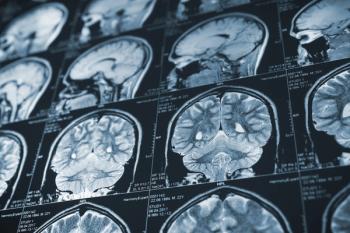
Study findings have the potential to widen the indication for treating patients in the extended window using simpler and more widespread non-contrast CT.

A recent article in Clinical Imaging suggests a three-pronged education approach to address healthcare disparities in radiology.
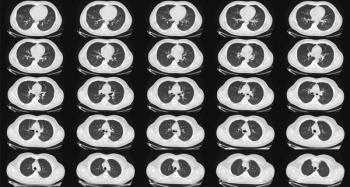
A recent study showed how using artificial intelligence to retrieve reference images could improve diagnosis of interstitial lung disease with chest CT.

A young male presents with chest and right knee pain after injury. What most likely represents the imaging findings?
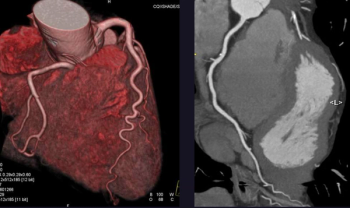
Cardiac CTA before transcatheter aortic valve replacement can be used to better determine risk by assessing left atrium functional parameters that are predictive of mortality.
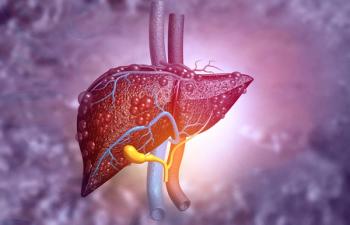
Patients with hepatocellular carcinoma may benefit from early PET/CT imaging after transarterial radioembolization to predict treatment response and survival, a new study found.
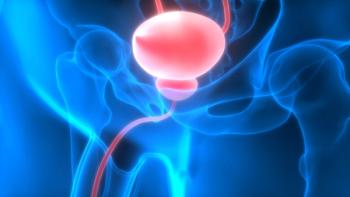
Clinicians taking care of patients with high-risk prostate cancer being assessed for prostatectomy can use a positive PET scan as a true positive, but a negative scan cannot be used to exclude disease or inform nodal dissection.
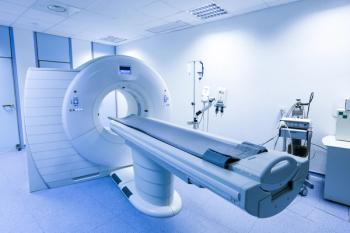
Diagnostic Imaging sat down with medical physicist and CT expert Cynthia H. McCollough, PhD, to learn more about the history of CT and its expanding potential in medical imaging.
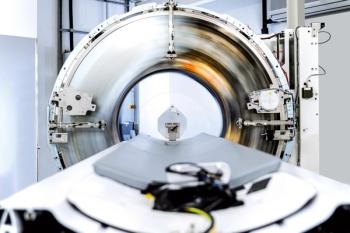
The approval represents the first major technological advance in CT in nearly a decade.

Can you make the diagnosis?
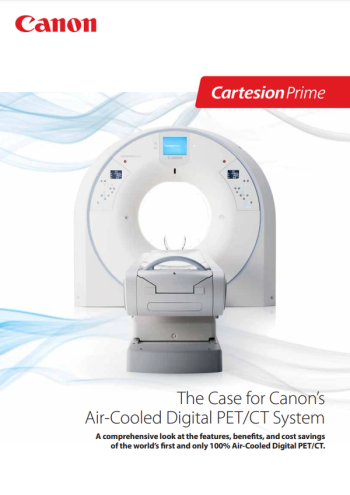
Sponsored Content
What is your diagnosis on this CT of the neck?
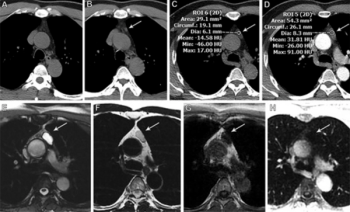
Awareness of the variable imaging characteristics and behavior of thymic cysts over time should help guide clinical management.
A 78-year-old patient presents with chest pain. Can you make the diagnosis?
Patients suspected of having coronary stenoses may benefit from ultra-high-resolution CT, according to a recent study that showed high diagnostic confidence in severely calcified coronary atherosclerotic disease.
Computed tomography (CT) abnormalities are reported among a substantial proportion of patients after hospitalization with COVID-19.
What is causing this child’s esophageal and airway obstructive symptoms?
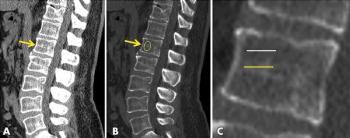
Radiologists should use this simple measure to detect osteoporosis when reading chest or abdominal CT scans and refer to orthopedic specialists for follow-up with positive findings.