














A combination of artificial intelligence and Lung-RADS can increase scan specificity without reducing sensitivity
A combination of artificial intelligence and Lung-RADS can increase scan specificity without reducing sensitivity
COVID-19 Vaccine Adenopathies Mimic Breast Malignancies; Appendicitis, CT Exposure and Increased Cancer Risk; and MRI AI Tool for Prostate Cancer Recurrence Prediction
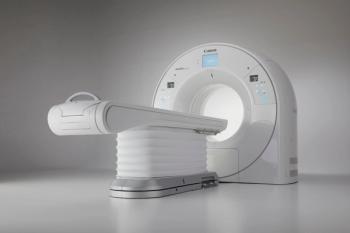
Aquilion system offers industry’s largest bore and widest field-of-view, potentially augmenting radiation therapy planning.
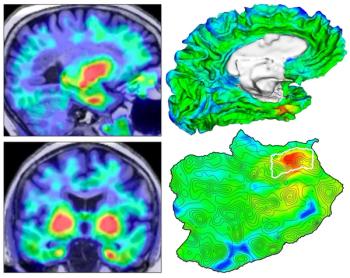
Identification of tau’s point of origin can potentially lead to improved treatments and intervention design.
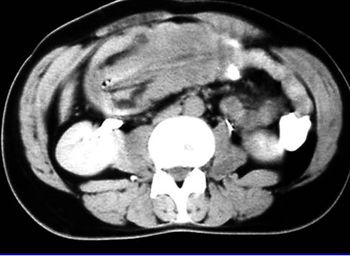
Patient presents with colocolic intussusception -- what is the next step?
The number of CT scans corresponds to an increase in risk of hematologic malignant neoplasms, especially in children under age 16.
COVID-19 and Long-Term Lung Effects; Reduce Emergency Department Imaging Recalls; COVID-19, Myocarditis, and Athletes; Plus, New Recommendation for X-ray Gonad Shielding
Based on imaging and other factors, researchers determine that lung health recovery is not linked to severity of COVID-19 illness.
A volumetric analysis of lung consolidation can help providers make care management decisions and, potentially, pinpoint which patients are most likely to die in the hospital.

Research shows African Americans and rural residents undergo fewer CT and MRI scans.

Here's what to expect this week on Diagnostic Imaging.
COVID-19 Damage, but No Virus in the Brain; Non-Ferromagnetic Bullets and the MRI; Six Trends to Watch in 2021; and AI and Ethics
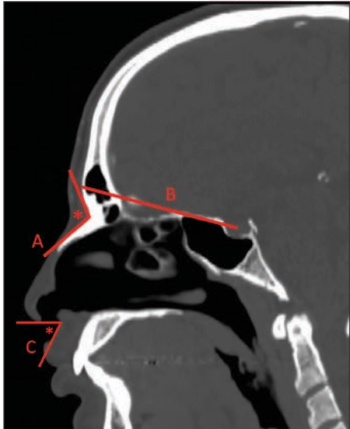
Using findings captured on CT scans, radiologists can improve the planning and outcomes for this surgery, improving the care of transgender women.
It’s a New Year – what should you keep your eyes on and where should you anticipate change?

As imaging volumes continue to rise, experts offer a targeted solution that could lead to faster throughput.
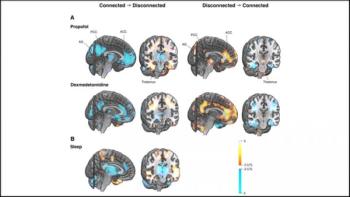
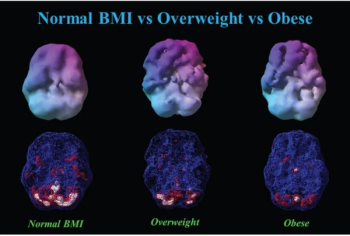
PET scans show activity of the brain network that is linked to changes in connectedness.
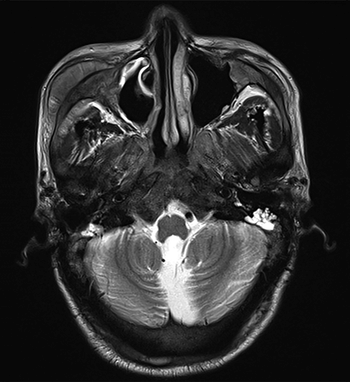
Radiologists can use X-rays and CT scans to identify features left by non-ferromagnetic ballistic fragments, opening the door to MRI imaging for some patients.

The Journal of the American College of Radiology tackles the provocative in its first issue of 2021.
Here's what to expect this week on Diagnostic Imaging.
Thanks to COVID-19, CT was largely in the spotlight this year, but these Top 5 stories show advancements for the modality in other areas, as well.
From imaging guidance to clinical presentations to disinfection procedures, coverage of all the work around COVID-19 this year gave the industry a great deal of insight into the pandemic.
From a central role in the COVID-19 pandemic to artificial intelligence advancements, CT further secured its role as a valuable arrow in the radiologist’s quiver.
An early analysis shows that low-dose CT screening for lung cancer has still not fully rebounded, leading to later detection of cancers.

Cybersecurity report finds millions of medical images, including X-rays and CTs, can be accessed worldwide without hacking tools.
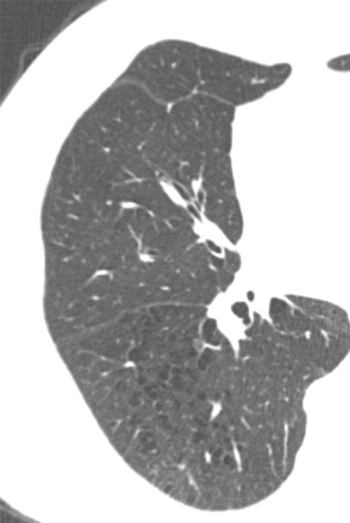
Visual emphysema CT patterns at baseline can help providers determine how the condition will advance in both current and former smokers.