














Low-dose CT for lung cancer screening among Veterans Health Administration patients will require substantial clinical effort.
Low-dose CT for lung cancer screening among Veterans Health Administration patients will require substantial clinical effort.
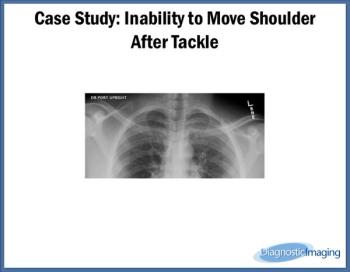
Case History: 16-year-old with immediate pressure on his chest, inability to move left shoulder after tackled in football.

The future of molecular imaging.

Case History: 49-year-old patient presented with history of cough; mild weight loss was noted.
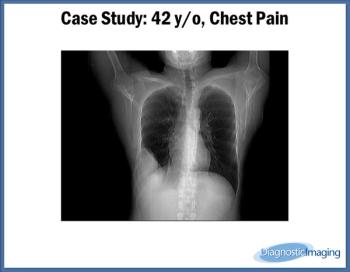
Case History: 42-year-old patient presented with chest pain.
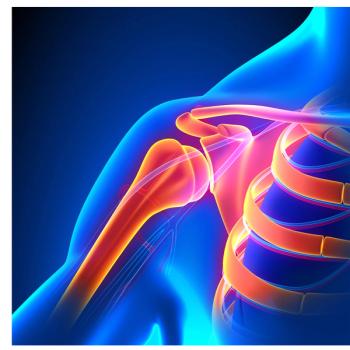
CT for bone density and muscle mass may help predict noncancer death among men with localized prostate cancer.
Cancer detection in 18F-FDG-PET/CT vs CT in patients with nonspecific signs and symptoms of cancer.
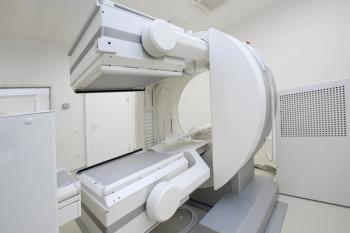
Examination with PET/ MRI for patients with laryngeal cancer.
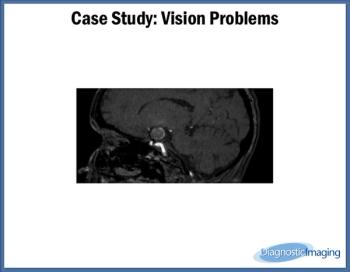
Case History: 67-year-old female presented with one week of vision problems.
CT dosing is largely dependent on multiphase scanning and institutional protocols.
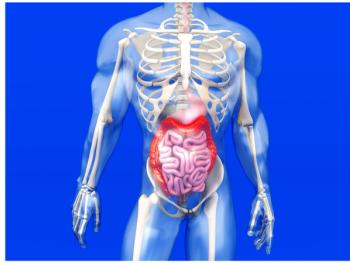
Repeat CT colonography may help detect more advanced right-sided lesions, but they detect fewer large polyps.
An algorithm’s effect on CT use in the emergency department.
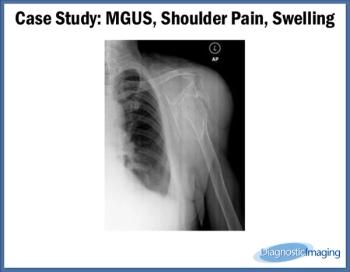
Case History: 62-year-old male with proven case of monoclonal gammopathy of unknown significance with shoulder swelling, pain.
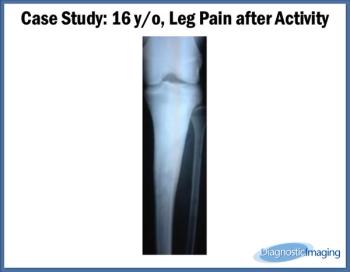
Case History: 16-year-old male developed right leg pain after playing basketball while wearing sandals.
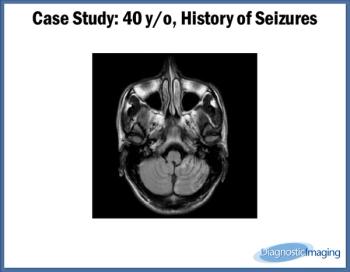
Case History: 40-year-old patient presented with history of seizures.

CT may help detect some types of colon cancer spread, but not all.

Case History: 45-year-old male with history of alcoholism with history of four seizures one day earlier.

Rereading CTs in EDs receiving a transfer patient may detect major discordance in interpretation, from RSNA 2016.
Radiologists’ experience allows them to unconsciously detect lung nodules on CT, from RSNA 2016.
Suboptimal DE-CTPA often caused by respiratory motion artifacts and incorrect technique, from RSNA 2016.
Repeat computed tomography scans for trauma patients who are transferred are often unnecessary.
Medic Vision will present at RSNA 2016 its XR-29 solution.
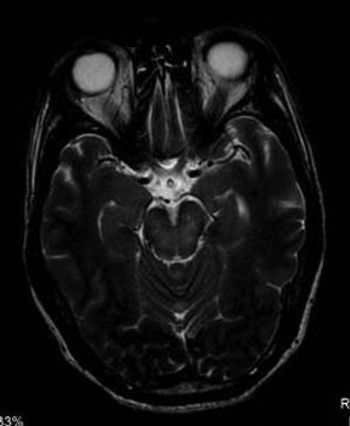
Ultrasound, CT, and MRI are useful tools in detecting brain changes in Zika virus, from RSNA 2016.

CT shows that obesity in adolescence affects bone health later in life, from RSNA 2016.
Images obtained by 4D CT may help physicians evaluate subtalar instability.