













Case History: 68-year-old female with progressive shortness of breath, history of a complex congenital heart disorder.
Case History: 68-year-old female with progressive shortness of breath, history of a complex congenital heart disorder.

Radiation used for medical imaging is not harmful, according to a recent study.
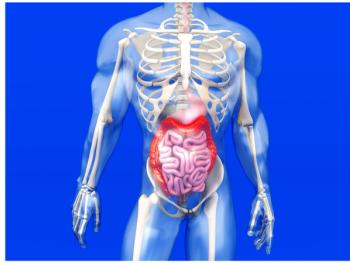
Screening CTC rarely finds extracolonic findings among asymptomatic patients, but many are clinically significant.

Use of CT imaging among emergency department patients with non-serious injuries has increased significantly.

Children undergoing integrated PET/MRI for solid tumor diagnosis likely do not need gadolinium contrast.
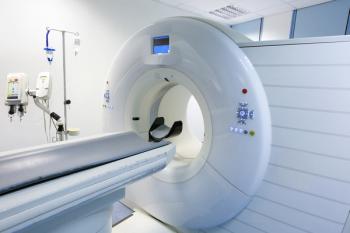
Why the imaging industry is looking to CT to improve clinical outcomes.

Case History: 40-year-old patient lump on left side of back.

Computer-aided diagnosis was evaluated to determine efficacy in radiologic assessment of lung cancer.
Integrated PET/MRI for patients with colorectal cancer can help physicians decide on appropriate treatment options.
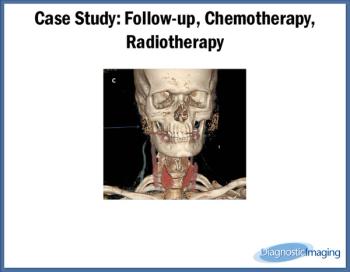
Case History: Patient presented for follow up after completion of chemotherapy and radiotherapy for hypopharyngeal cancer.

Imaging vendors care about health care reform, too.

Choosing Wisely forces neurology to confront its issue with overutilization in imaging.
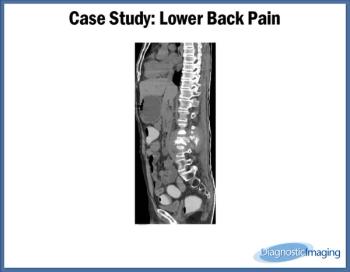
Case History: 30-year-old male patient with lower back pain.
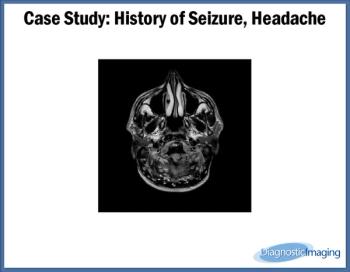
Case History: A 27-year-old patient presented with history of headache and seizure.

CHICAGO-A key trend from the RSNA 2015 show floor was equipment upgradeability.

CHICAGO-Experts at RSNA 2015 debate the pros and cons of low-dose CT lung cancer screening.

Thoughts on Big Iron, managed fleets, and technology partnerships from RSNA 2015.

Radiologists are more likely to follow Medicare policy initiatives regarding CT double-scans than are nonradiologists.
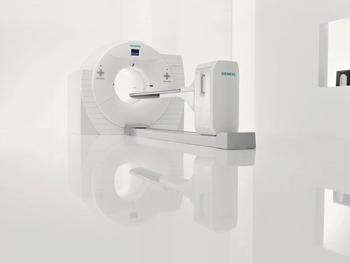
Lesions detected by FDG PET/CT can predict success of stem cell transplant in patients with aggressive lymphoma.

The FDA has provided clearance for Siemens SOMATOM portfolio of CT scanners for low-dose lung cancer screening.

CHICAGO-Women with subsolid lung nodules detected by CT have a higher risk of lung cancer than do men.
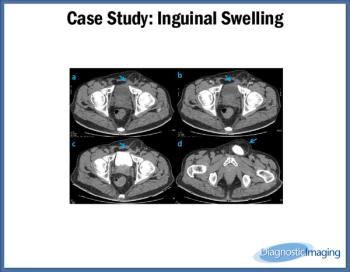
Case History: 65-year-old male with swelling of left inguinal region for two months.
Each CT vendor has a unique signature.

Multidetector CT without oral contrast can be effective on larger patients presenting with acute abdominal pain.

Non-invasive CTA is more accurate in detecting coronary artery disease among symptomatic patients than SPECT-MPI.