




Facility Management
Latest News
Advertisement
Latest Videos














Advertisement
More News
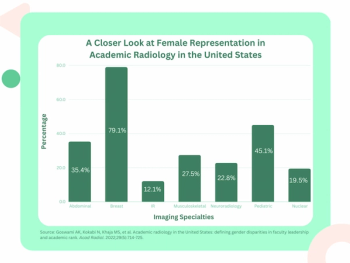
Women comprise nearly 80 percent of breast imaging departments and 45 percent of pediatric radiology departments at academic institutions, but burnout, the COVID-19 pandemic and discrimination have impeded further progress in radiology, according to a recently published literature review.
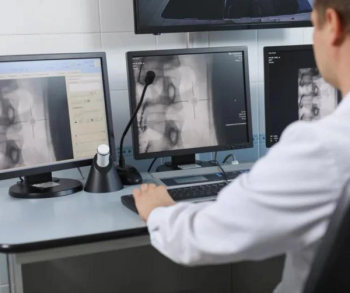
Emphasizing the gravity of the ongoing workforce shortage in radiology, these authors recommend a change agenda focusing on expanded numbers of residency positions, reassessment of educational pathways, maintaining a strong presence in hospital settings and practice level initiatives to reduce administrative burden and achieve appropriate reimbursement beyond RVU measurements.
The newly launched Progressive Loading feature, available through RamSoft’s OmegaAI software, reportedly offers radiologist rapid uploading of images that is faster than on-site networks and other cloud-based systems regardless of the network radiologists are using.
Autosave functionality for dictation software and availability of prior imaging are elusive yet very practical essentials that could eliminate a fair amount of redundancy with radiology reports.
Catch up on the top radiology content of the past week.
Proactive approaches to training, compensation issues and staff feedback are hallmarks for engaging and retaining top radiology staff.
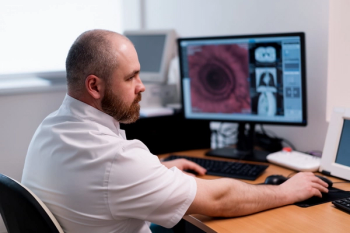
Given a certain perception that calling out sick is frowned upon in health care, radiologists and other health care workers may feel conflicted about being absent even if an illness has reduced their capacity for getting work done on a given day.

A prospective employer’s willingness or unwillingness to negotiate notice periods in a contact may signal the difference between a worthwhile opportunity and a one-way, dead-end job.
Catch up on the top radiology content of the past week.
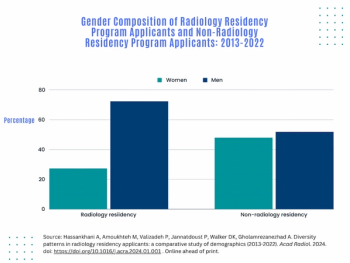
The proportion of women applying to radiology residency programs was nearly 21 percent lower than the proportion of women applying to other residency programs, according to a review of 10 years of residency program data from 2013 to 2022.
Going beyond the humdrum, eye roll-inducing platitudes of orientation training may foster improved attention and adherence to training priorities such as cybersecurity.
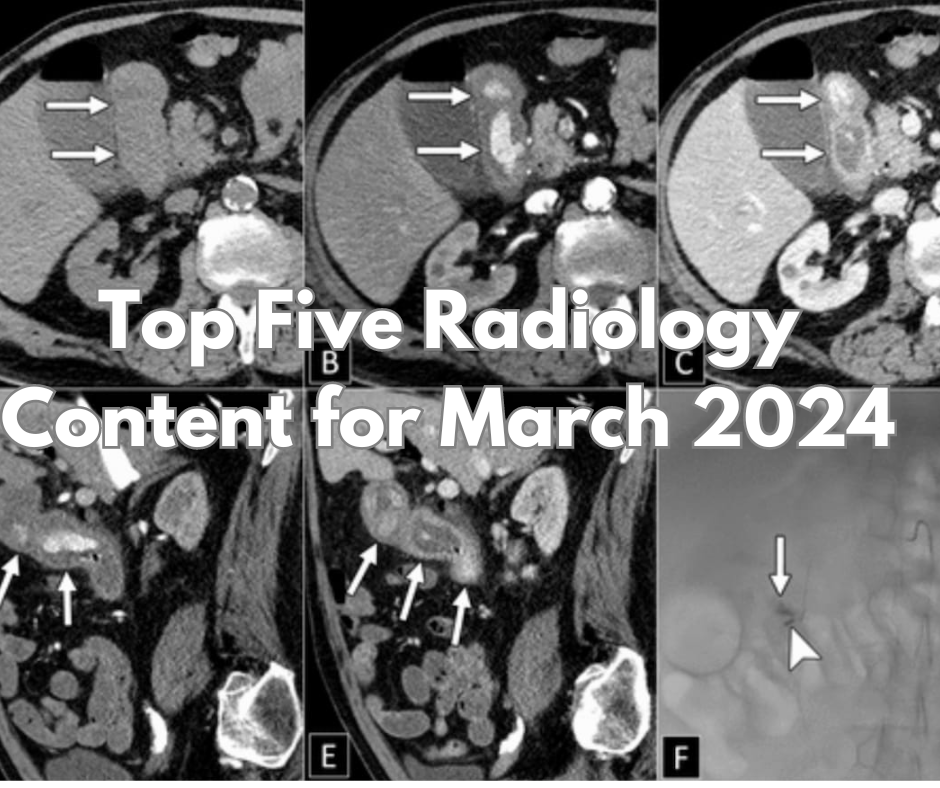
Catch up on the most-well viewed radiology content in January 2024.

Is it time to rethink the burden of applicant fees, credentialing costs and medical staff dues?
Catch up on the top radiology content of the past week.
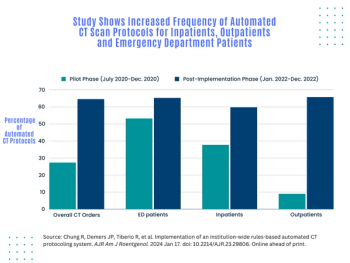
In a nearly two-year study of over 300,000 CT exams, researchers noted a 56.8 percent increase in the frequency of automated CT protocols for outpatient CT examinations.
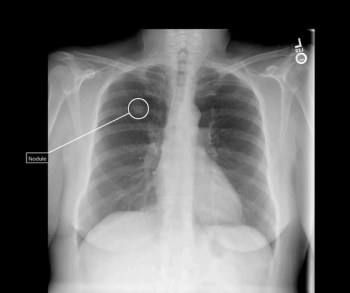
In a recently issued statement from multiple radiology societies including the RSNA and ACR, researchers offer practical advice for evaluating artificial intelligence (AI) tools, implementing AI into current workflows and monitoring of the technology to help ensure optimal benefit and effectiveness.
A singular database of current rules, guidelines and best practices in radiology would be a welcome advance to ensure ease of access, consistency, and proactive prevention of frivolous malpractice cases.
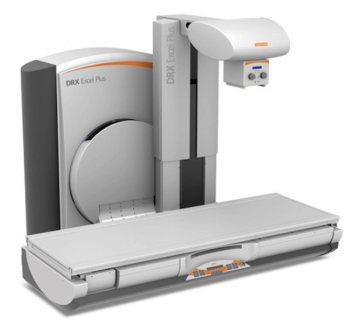
In addition to high-quality X-ray and fluoroscopic images, the DRX-Excel Plus X-ray System provides automated filter selection, grid parking and positioning of table axes.
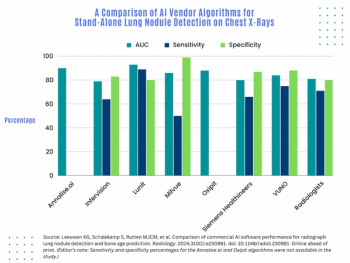
In part of an ongoing multicenter study evaluating commercial artificial intelligence (AI) products in radiology, AI lung nodule detection software from four out of seven vendors demonstrated stand-alone AUCs ranging from 5 to 12 percent higher than the mean AUC of 17 reviewing radiologists.

A comfortable environment for reading CTs, MRIs and X-rays may be conducive to less interruptions and longer intervals at radiology workstations.

Given the ongoing challenges with receiving appropriate reimbursement in radiology, these authors discuss key principles in the coding and billing process, common challenges and three priorities for bolstering reimbursement revenue in the profession.
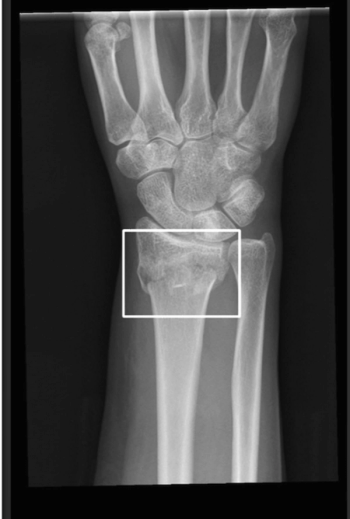
In addition to offering a 98.5 percent sensitivity rate in diagnosing fractures on X-ray, an emerging artificial intelligence (AI) software reportedly helped reduce mean turnaround time on X-ray fracture diagnosis from 48 hours to 8.3 hours, according to new research presented at the Radiological Society of North America (RSNA) conference.
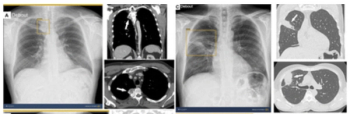
Emerging research suggests that adjunctive artificial intelligence (AI) improves sensitivity for a variety of abnormalities on chest X-rays regardless of radiologist experience level, including an average 26 percent increase in sensitivity for pneumothorax.
Dr. Kottler sat down with Diagnostic Imaging at RSNA 2023 to discuss AI imaging milestones and the potential impact of AI on workflows in radiology.
Excess verbiage, at the behest of non-clinical interlopers, continues to pervade radiology reports.
Advertisement
Advertisement
Trending on Diagnostic Imaging
1
FDA Clears Machine Learning Module for Emerging Musculoskeletal Ultrasound Platform
2
FDA Clears MRI-Based AI Software for Prognostic Evaluation of Patients with Mild Cognitive Impairment
3
Diagnostic Imaging's Weekly Scan: October 18 — October 24
4
Can MRI-Based AI Have an Impact in Reducing Unnecessary Prostate Biopsies?
5