









Review top radiology content from the week.

Review top radiology content from the week.

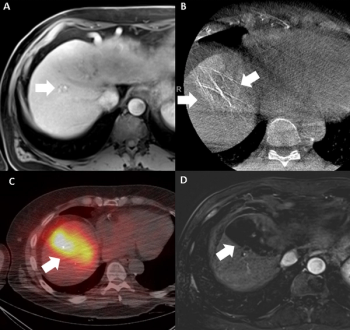
What is your diagnosis?

In a recent video interview, Kevin J. Abrams, MD, discussed highlights from the recent 25th Annual Symposium of the American Society of Spine Radiology (ASSR), including lectures on imaging for spontaneous intracranial hypotension, the emergence of dynamic susceptibility contrast for MR perfusion and insights on the use of dual-energy computed tomography (CT) for diagnosing vertebral fractures.

Review top radiology content from the week.

Offering a potential antidote to health-care silos that can hamper and delay care, the Enterprise Imaging and Informatics Suite may revamp image sharing and communication between providers.

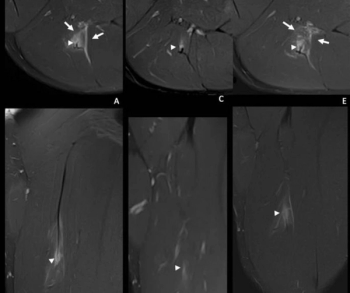
In addition to facilitating strong interreader agreement among radiologists of various experience levels, use of the proposed Neuropathy Score Reporting and Data System (NS-RADS) classification for peripheral neuropathy reportedly improved accuracy in differentiating between milder and more severe categories for muscle abnormalities and nerve lesions.

What is your diagnosis?

A new artificial intelligence tool reportedly overcomes resolution issues of standard magnetic resonance imaging (MRI) scans with 3D images of the shoulder bones and may eliminate pre-operative use of computed tomography (CT) for total shoulder arthroplasty procedures.

Utilizing biomarkers from magnetic resonance imaging (MRI) exams, AMRA Medical’s BCP Scan reportedly provides precise measurements of muscle and fat.

In a new study comparing the development of myocarditis among vaccinated patients to those with COVID-19-related illness and patients with other etiologies, researchers noted less severe abnormalities on magnetic resonance imaging (MRI) and no major adverse events in a short-term follow-up.

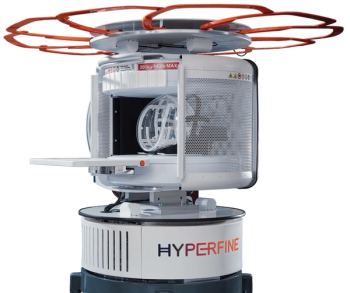
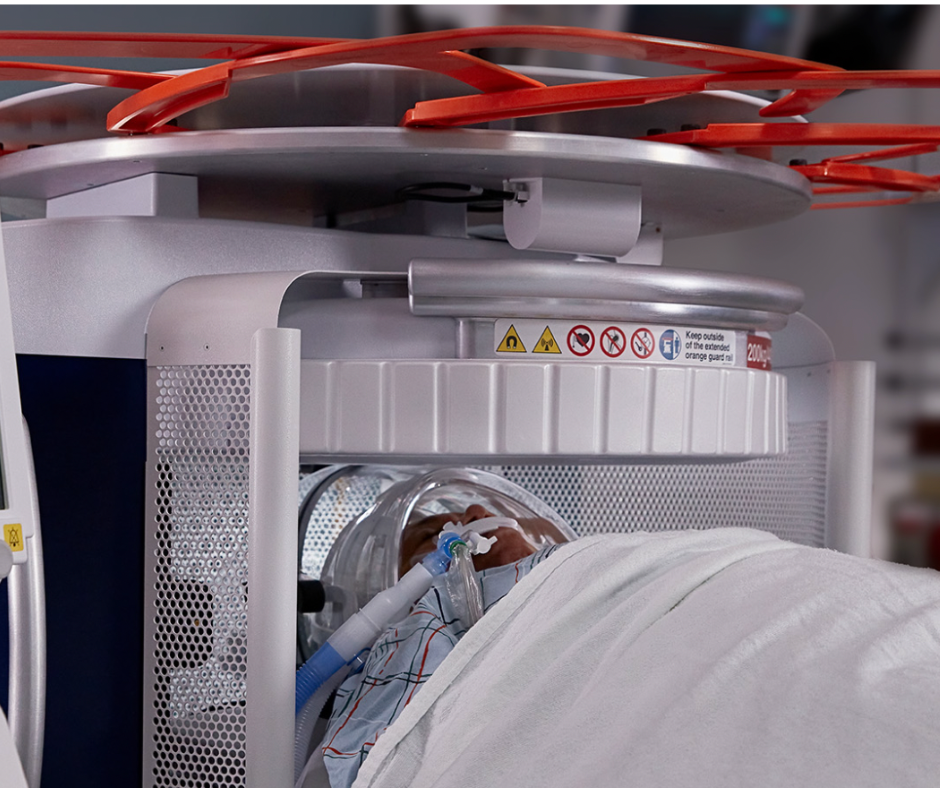
The new whole-body magnetic resonance imaging (MRI) platform reportedly offers enhanced image quality and increased patient comfort.

In an exclusive video interview with Diagnostic Imaging, Josh Cooper, vice president of congressional affairs for the American College of Radiology (ACR), and Thomas Hoffman, vice president of legal for the ACR, discuss the ACR’s lawsuit over the IDR process of the No Surprises Act and the potential impact of the law on reimbursement and patient access to care.

Advances in MRI modalities and capabilities can facilitate optimal comfort and help alleviate anxiety for patients.

During the pandemic and beyond, working from home as a radiologist can present clear work-life advantages.

Researchers found the use of magnetic resonance spectroscopic imaging revealed pathologic evidence of multiple sclerosis that is not evident on T1 or T2-weighted MRI.

Expanded MRI labeling for Abbott’s Proclaim™ XR Spinal Cord Stimulation System may facilitate increased efficiency and quality of MRI scans.

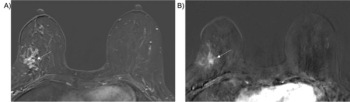
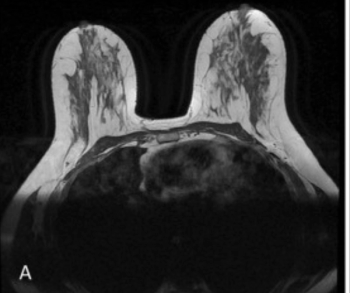
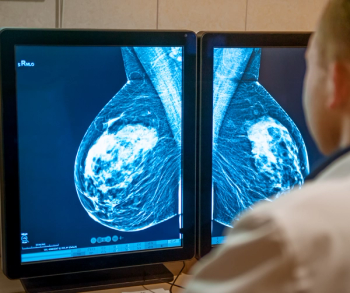
Given the broad range of fibrocystic changes, the authors of a recent study suggest that more precise diagnosis of breast MRIs could significantly reduce unnecessary biopsy procedures.

Review our most popular Image IQs of 2021 and test your radiology knowledge!

Young male presents with foot pain after injury. What most likely represents the imaging finding?

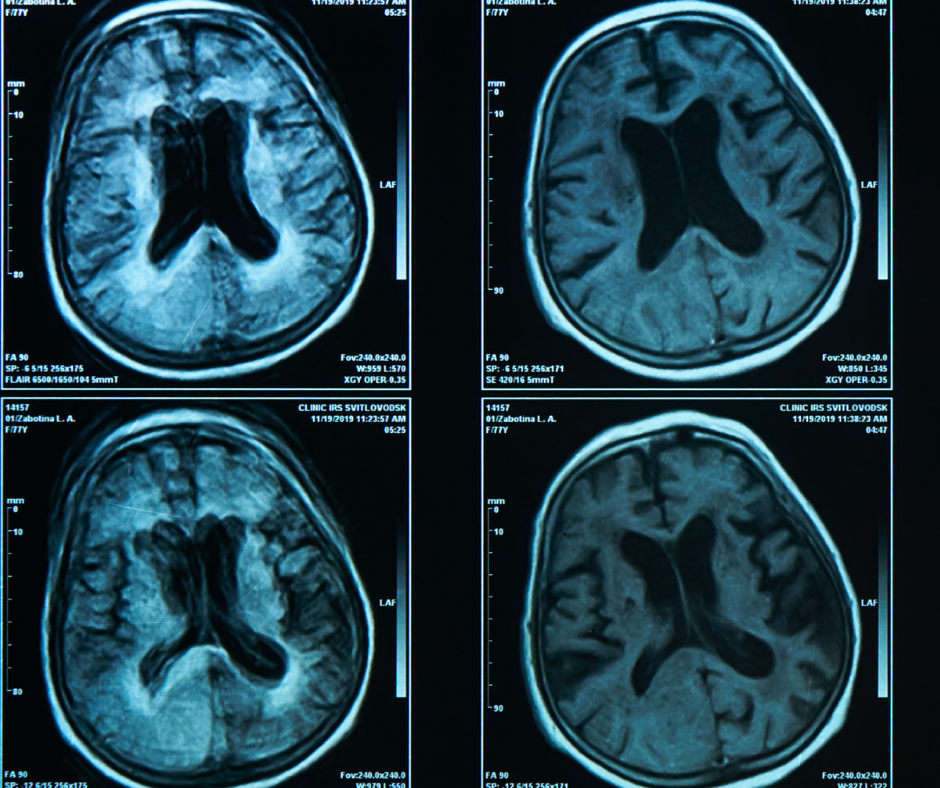
Emerging research suggests that frontotemporal atrophy on magnetic resonance imaging may be a key finding for chronic traumatic encephalopathy (CTE).

GE Healthcare unveils on-site detection upgrades and other advances with CT system as well as a new MRI device.

New research emphasizes roles of anterior collaterals and ischemic core growth rate in assessing patients with large vessel occlusion.

Technologies must be integrated with existing platforms and workflows, as well as demonstrate value.

Study findings further highlight the central role of PET/CT in disease response after CAR-T cell therapy.

Early study results suggest that low-field MRI may offer a cost-effective, radiation-free alternative to monitor ventricular volume changes in patients with hydrocephalus.