


Catch up on the top radiology content of the past week.
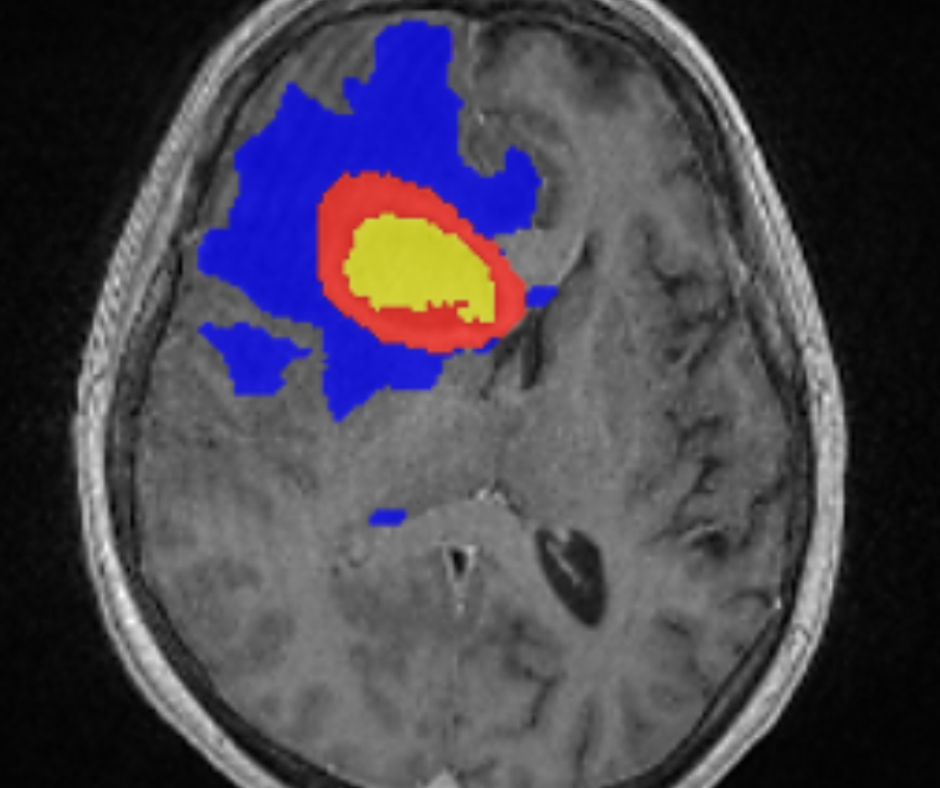
Incorporating artificial intelligence (AI)-based technology, Neosoma HGG reportedly demonstrated a 95.5 percent accuracy rate in measuring brain tumor volume on brain magnetic resonance imaging (MRI) scans at various points during the treatment of patients with high-grade gliomas.
Catch up on the top radiology content of the past week.
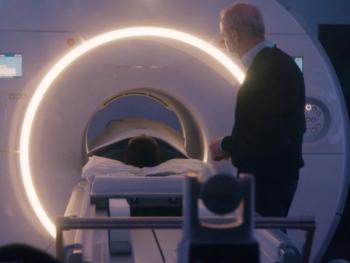
AIR Recon DL, a deep learning-based image reconstruction software, will now be available with 3D sequences as well as PROPELLER motion-insensitive sequences on magnetic resonance imaging (MRI) scanners from GE Healthcare.
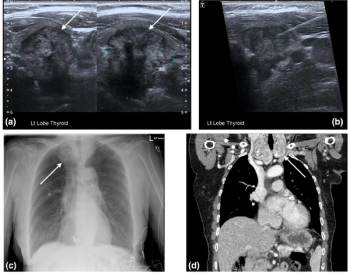
In light of recent shortages of iodinated contrast media, researchers from Australia suggest in a new publication that ultrasound and magnetic resonance imaging (MRI) can be viable first-line imaging options for a number of non-urgent presentations of the head and neck.
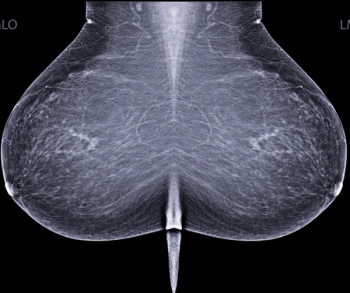
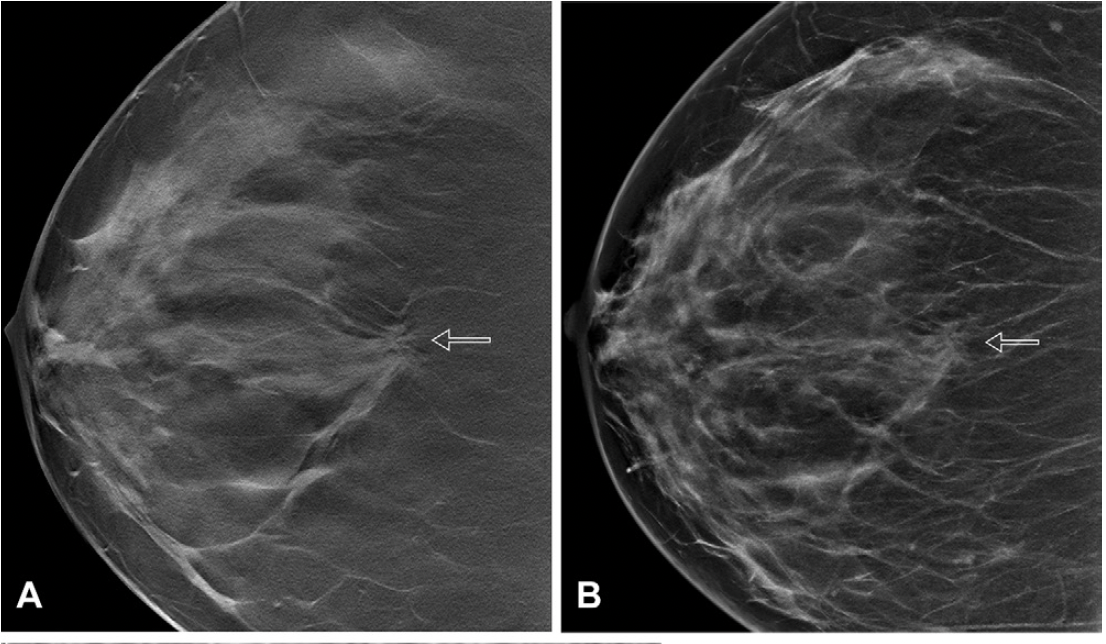
Assessing data from 386,590 women, researchers noted that women with extremely dense breast tissue have more than double the risk for breast cancer in comparison to women with average breast density and nearly four times the risk of women with extremely fatty breast tissue.
Catch up on the top radiology content of the past week.
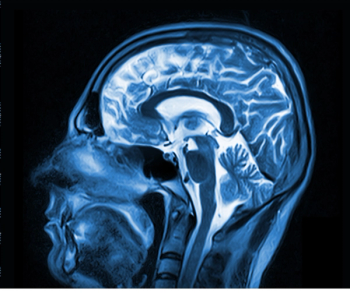
Requiring only half of the gadolinium dose of current non-specific gadolinium-based contrast agents (GBCAs), gadopiclenol can be utilized with magnetic resonance imaging (MRI) to help detect lesions with abnormal vascularity in the central nervous system and other areas of the body.
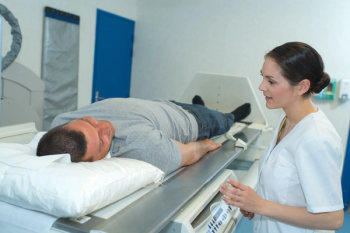
Emerging research suggests that combining pre-biopsy magnetic resonance imaging (MRI) with prostate-specific antigen (PSA) testing more than triples the specificity rate for detecting clinically significant prostate cancer in comparison to sole reliance on a PSA level greater than or equal to 4 ng/mL.
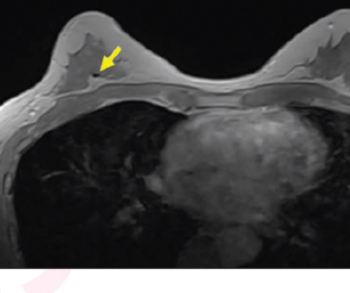
Emerging research suggests that the contrast-enhanced, in-phase Dixon sequence may be the most optimal sequence for detecting biopsy clips on breast magnetic resonance imaging (MRI).
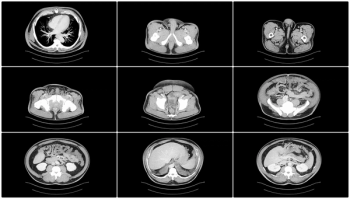
Greater imaging utilization has increased the prevalence of incidental findings or incidentalomas, but unclear clinical context and guidelines complicate management. Accordingly, these authors offer a thorough review of the literature and discuss new opportunities for improving interdisciplinary management strategies.
Catch up on the top radiology content of the past week.
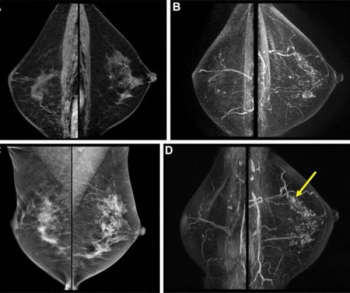
Mild, moderate, or marked background parenchymal enhancement on surveillance magnetic resonance imaging (MRI) reportedly doubles the risk of second breast cancer in women who have had surgery for primary breast cancer.
Catch up on the top radiology content of the past week.
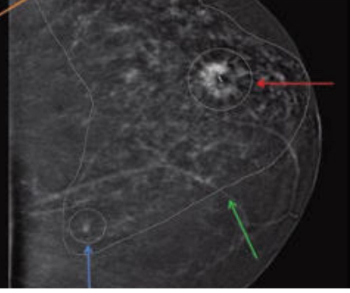
Researchers found the combination of magnetic resonance imaging (MRI) and contrast-enhanced mammography was nearly 22 percent more effective at detecting breast lesions than MRI-directed ultrasound.

Catch up on the top AI-related radiology content of the past month.
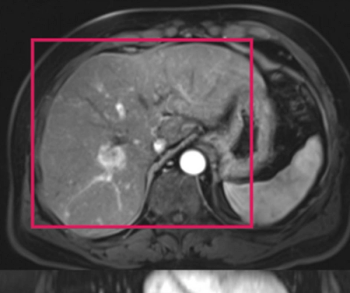
Noting that the machine learning model incorporating magnetic resonance imaging (MRI) had a higher mean area under the curve (AUC) than a model based solely on clinical features for predicting hepatocellular carcinoma recurrence, researchers said the study findings could have implications for refining liver transplant criteria.
Catch up on the top radiology content of the past week.
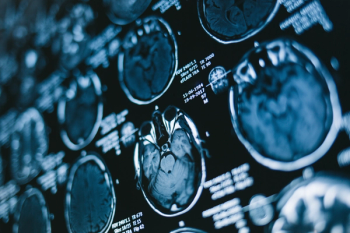
In comparison to neuroradiology assessment of brain magnetic resonance imaging (MRI) scans for tumor diagnosis, researchers found that adjunctive use of a deep learning system improved diagnostic accuracy by 12.4 percent and sensitivity by 33.5 percent in one test set of 300 patients.
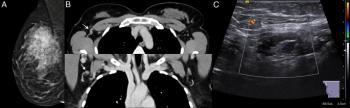
The combination of magnetic resonance imaging (MRI) and computed tomography (CT) had a 63.83 percent sensitivity rate for tumor-infiltrated axillary lymph nodes in patients with breast cancer in comparison to a 36.11 percent sensitivity rate for the combination of mammography and sonography.
Sponsored Content
Canon Medical Systems offer a range of in-person and virtual educational opportunities for their clients.
Catch up on the top radiology content of the past week.
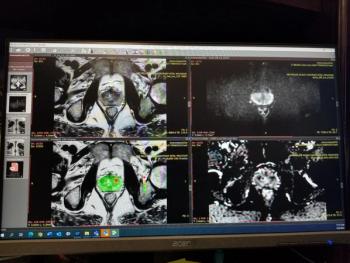
The ProstatID, an adjunctive artificial intelligence software that radiologists can utilize with traditional magnetic resonance imaging (MRI), reportedly measures prostate gland volume, and suggests PI-RADS scoring of suspicious lesions.
Catch up on the top radiology content of the past week.
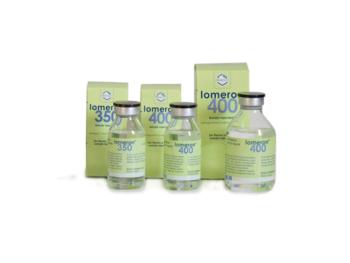
The imaging agent is approved for use in 50 countries in Europe and Asia, but is not currently approved in the US.
Catch up on the top radiology content of the past week.
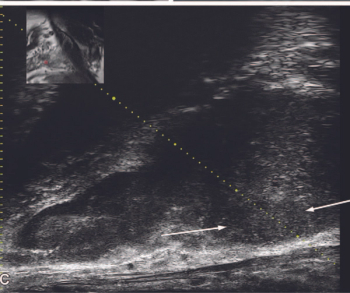
A recently published prospective study comparing multiparametric magnetic resonance imaging (MRI) and micro-ultrasound found similar detection rates for prostate cancer.