
Review top radiology content from the week.

Review top radiology content from the week.

In a recent video interview, Arun Krishnaraj, MD, MPH and David Larson, MD, MBA, discussed the continued use of physical media to transport medical images between different health-care facilities, resulting inefficiencies and delays with patient care, and the initiative to create a linked multi-hub model to end this dated practice once and for all.

In addition to segmentation of the prostate, the artificial intelligence (AI)-enabled advance reportedly facilitates PI-RADS scoring by assessing the size and intensity of possible lesions.

Review top radiology content from the week.

Review top radiology content from the week.

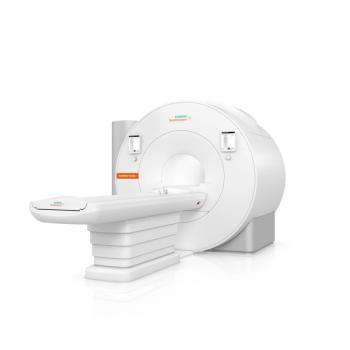
The new whole-body magnetic resonance imaging (MRI) platform reportedly offers enhanced image quality and increased patient comfort.

Given the broad range of fibrocystic changes, the authors of a recent study suggest that more precise diagnosis of breast MRIs could significantly reduce unnecessary biopsy procedures.

Study findings further highlight the central role of PET/CT in disease response after CAR-T cell therapy.

Diffusion-weighted imaging may be useful as a safe and effective screening tool to supplement mammography in women with dense breast tissues.

PSMA PET is highly robust in identifying prostate cancer lesions which are otherwise deemed unremarkable.

Multiparametric MRI can detect pathologic complete response after neoadjuvant therapy in patients with esophageal squamous cell carcinoma.

Breast ultrasound/MRI fusion significantly improves localization of incidentally detected MRI lesions which are occult on an initial ultrasound survey alone.

The combination approach may significantly reduce over-detection while providing noninferior detection of clinically significant prostate cancer.

The algorithm is the first step towards developing an artificial intelligence-augmented radiology workflow that can support image interpretation to improve diagnosis and prognosis.

Training sets from different vendors may be required to ensure scanner-specific sensitivity.

The clear cell likelihood score can help providers determine the growth rate of masses that could be cancerous.

Including MRI leads to more quality-adjusted life years.

The potential opportunities are numerous for virtual biopsies, radiomics, and radiogenomics.

Relying on MRI images rather than PSA screening can reduce unnecessary biopsies and identification of clinically insignificant cancers.

Using a deep convolutional neural network can improve providers’ ability to predict how patients with hepatocellular carcinoma will respond to Y90-RE treatment, enabling them to offer additional therapies, if necessary.

Case Western Reserve University biomedical engineer developed a contrast agent that could allow for non-invasive disease detection.

Investigators used a hypothetical cohort of men with prostate cancer to test the benefits associated with MRI imaging before biopsy in regard to age-based and risk-stratified screening.

USPSTF lung cancer screening recommendation update; Cancer screenings and COVID-19; and CT and unintentional weight loss.

Mammography "Sweet Spot" Recall Rate; MRI for Early-Stage Testicular Cancer Follow-Up; COVID-19 and Body Self-Attack; Plus, Global Radiology

Using MRI – rather than CT – for post-surgical monitoring can effectively detect cancer relapse without exposing men to unnecessary radiation.