


Women's Health MRI
Latest News
Advertisement
Latest Videos


Shorts

0:45
Emphasizing the Evidence on Supplemental Imaging in Women with Dense Breasts
5 months ago
by
Wendie Berg, MD, PhD
0:46
Mild Cognitive Impairment and Long Covid: A Surprising Finding from a Recent Study
6 months ago
by
Jennifer Frontera, MD
1:11
Detecting Small Ischemic Lesions with Low-Field MRI
6 months ago
by
W. Taylor Kimberly, MD

0:28
An Extended Window for Image-Guided Thrombolysis in Acute Ischemic Stroke Cases
7 months ago
by
Jeremy Heit, MD, PhD
0:38
Long Covid and Alzheimer's Disease: What New MRI Research Reveals
7 months ago
by
Yulin Ge, MD

0:55
Optimizing Data from Brain MRI: Can a Vision-Based AI Foundation Model Have an Impact?
8 months ago
by
Benjamin Kann, MD

0:43
Study: AI Finds 'Substantially' More Aneurysm Growth than Neuroradiologists
8 months ago
by
Jeremy Heit, MD, PhD
0:52
Where Things Stand with the Find It Early Act
8 months ago
by
Amy Patel, MD
0:59
Why Supplemental Imaging Use is 'Quite Low' for Women with Dense Breasts
8 months ago
by
Manisha Bahl, MD

0:38
Can PSMA PET/MRI Have an Impact in Detecting HCC?
8 months ago
by
Onofrio Catalano, MD, PhD
CME Content





Advertisement
More News
In a recently published review of the BI-RADS v2025 manual, leading breast radiologists offered pertinent insights on key changes for reporting of mammogram, breast ultrasound and breast MRI interpretation and assessment.
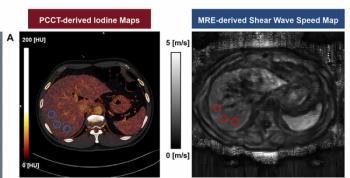
Extracellular volume fraction (ECV) assessment with photon-counting CT offered higher sensitivity and comparable specificity and AUC to magnetic resonance elastography (MRE)-derived liver stiffness measurement (LSM) for evaluating patients with stage 2 or higher fibrosis, according to a recent study.
Catch up on the most well-viewed video interviews from Diagnostic Imaging in July 2026.
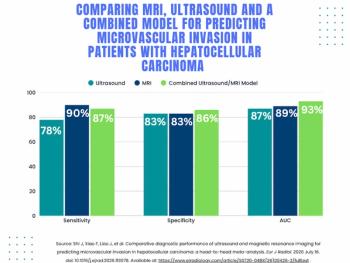
A model combining MRI and ultrasound findings yielded a 93 percent AUC for predicting microvascular invasion in hepatocellular carcinoma.
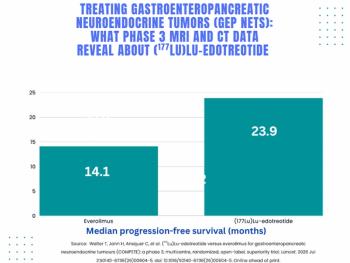
In comparison to everolimus, the peptide receptor radionuclide therapy (177Lu)Lu-edotreotide provided over a nine month longer median progression-free survival for patients with gastroenteropancreatic neuroendocrine tumours (GEP NETs), according to new phase 3 research.
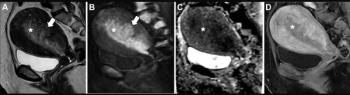
In comparison to the 2009 International Federation of Gynecology and Obstetrics (FIGO) staging system for endometrial cancer, researchers found that the updated 2023 FIGO system had over a 17 percent decrease for substage agreement between pelvic MRI and pathology findings.
Catch up on the most well-viewed video interviews from Diagnostic Imaging in June 2026.
Catch up on a variety of FDA news in radiology from the past week.
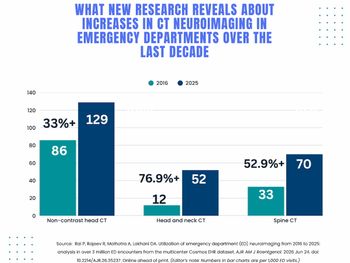
Researchers found that non-contrast head CT exams, head and neck CT exams and spine CT imaging increased by 33 percent, 76.9 percent and 52.9 percent, respectively, per 1,000 emergency department encounters over the last decade.
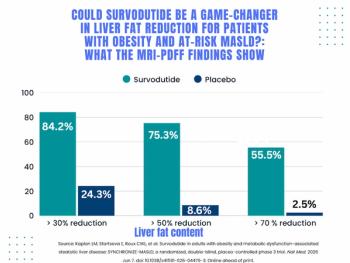
Use of the glucagon receptor/glucagon-like peptide-1 receptor dual agonist survodutide led to a > 30 percent reduction in liver fat content in nearly 85 percent of obese patients with at-risk MASLD, according to MRI findings in new phase 3 research.
Catch up on a variety of new FDA clearances in radiology from the past week.
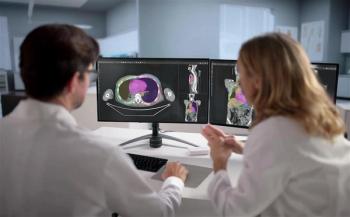
The MIM Contour ProtegeAI+ 2.0 software reportedly offers new AI-powered contouring models for brain MRIs and pelvic CTs.

Catch up on the top radiology content of the past week.
Catch up on the most well-viewed video interviews from Diagnostic Imaging in May 2026.
A randomized controlled trial found that combining Disney characters with soothing ambient elements for pediatric MRI reduced anxiety levels by 43 percent in children under 10 years of age.
Catch up on the top radiology content of the past week.
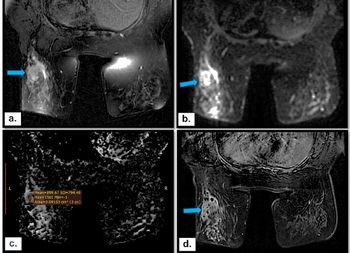
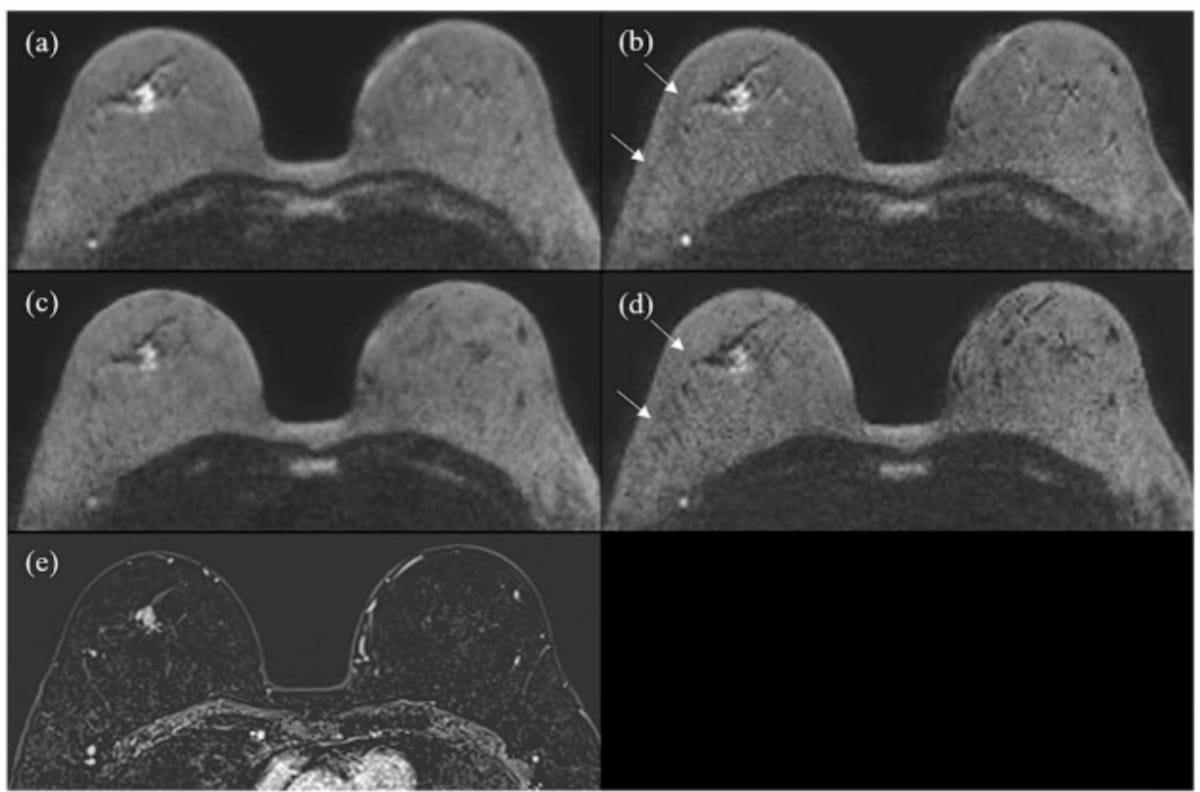
In a study of 351 women with BI-RADS 3-5 non-mass enhancement breast lesions, researchers found that multiparametric MRI offered 98.4 percent sensitivity and a 97.9 percent negative predictive value (NPV).
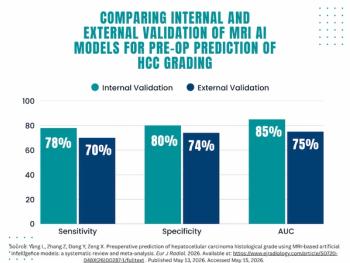
In a new meta-analysis examining the impact of MRI-based AI models for predicting high-grade hepatocellular carcinoma, researchers noted a 10 percent decline in AUC between internal validation and external validation.
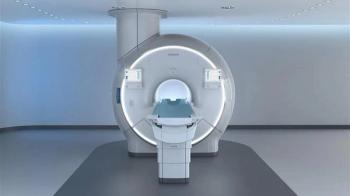
The combination of sustained high-gradient performance and AI capabilities with the Titanion MR may facilitate the use of imaging biomarkers that provide insight into tissue microstructure
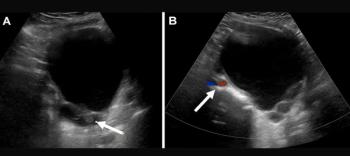
Cystadenomas and cystadenofibromas accounted for 46 percent of benign lesions initially scored as O-RADS 4 and 5 lesions on pelvic ultrasound, according to newly published research.
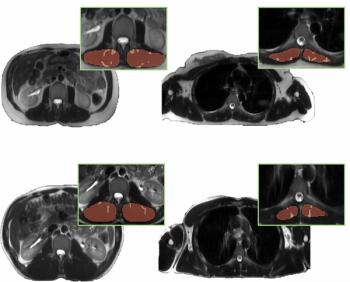
Increased paraspinal intermuscular adipose tissue (IMAT) on whole-body MRI was associated with a 67 percent higher likelihood of hypertension, according to new research involving over 11,300 participants without preexisting conditions.
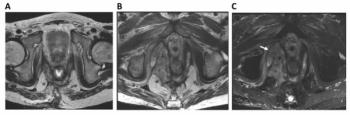
Emerging MRI findings from phase 3 research revealed that over 28 percent of patients with perianal fistulizing Crohn’s disease achieved combined fistula remission 24 weeks after initiating treatment with the IL-23 inhibitor guselkumab.
In a recent interview with Diagnostic Imaging, Wendie Berg, MD, PhD, shared her perspective on various aspects of the controversial breast cancer screening guidance issued by the American College of Physicians (ACP), including the use of supplemental imaging in women with dense breasts.

In a roundup of breast imaging news and research from April 2026, we take a look back at pertinent findings with AI and digital breast tomosynthesis (DBT), breast MRI studies and breast cancer screening guidelines from the National Comprehensive Cancer Network (NCCN) and the American College of Physicians (ACP).
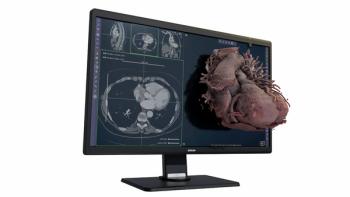
Providing enhanced multidimensional displays of MRI and CT imaging, the Avatar Medical Vision software may facilitate improved surgical planning and intraoperative communication.
Advertisement
Advertisement
Trending on Diagnostic Imaging
1
Emerging Research Insights and New Advances in Neuroradiology
2
MRI, CT or Ultrasound: Which Modality Offers the Most Utility for Imaging of Pancreatic Cancer?
3
FDA Grants Fast Track Designation for Pre-Biopsy Use of PSMA PET and MRI for Prostate Cancer Detection
4
Current Perspectives on Integrating AI into Radiology
5