












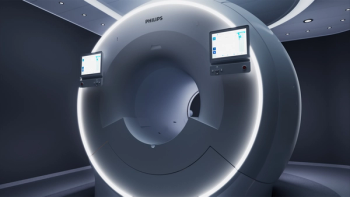
Offering integrated artificial intelligence (AI) and seamless multi-nuclei imaging capabilities, the new magnetic resonance imaging (MRI) system reportedly enhances image quality and workflow efficiency.
Offering integrated artificial intelligence (AI) and seamless multi-nuclei imaging capabilities, the new magnetic resonance imaging (MRI) system reportedly enhances image quality and workflow efficiency.

Check out top radiology content from the past week.
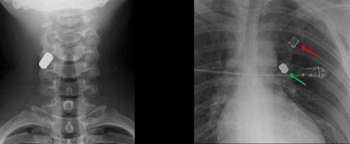
In a recent presentation at the American Roentgen Ray Society (ARRS) conference, researchers discussed pertinent considerations with imaging of gunshot wounds.
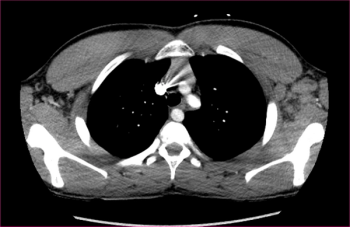
Lung opacities/consolidation and cervical/axillary adenopathy are reportedly common findings in emergency room imaging of patients suspected of having complications related to COVID-19 vaccines, according to new research presented at the American Roentgen Ray Society (ARRS) conference.
Review the top radiology content from the past week.

While there can be an array of challenges in outsourcing night coverage to teleradiology service providers, due diligence with contract terms can help mitigate costs and increase flexibility if radiology practices decide to switch teleradiology providers down the line.
Review top radiology content from the week.
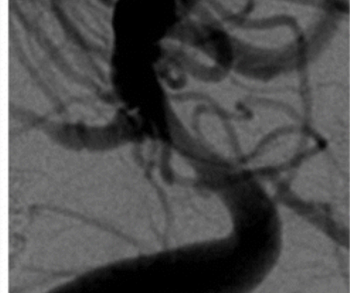
Emphasizing the proper diagnostic characterization of sidewall aneurysms, the authors of a new study found no significant differences in occlusion status or complications when they compared the approved use of intrasaccular flow disruption for bifurcation aneurysms to off-label treatment of sidewall aneurysms.
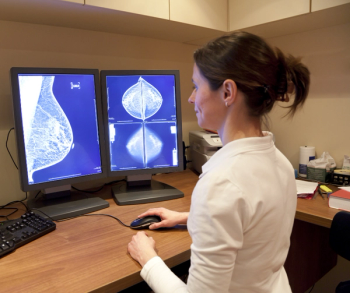
Validating a prognostic scoring system for locoregional recurrence risk in post-mastectomy patients with varying levels of axillary lymph node involvement, emerging research suggests patients with intermediate risk for breast cancer recurrence could benefit from post-mastectomy radiotherapy.
Review top radiology content from the week.
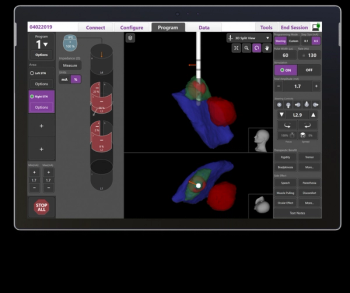
Boston Scientific’s STIMVIEW XT reportedly enables 3D brain imaging that facilitates more accurate lead placement and targeted stimulation modeling for patients with Parkinson’s disease or essential tremor.

In a recent video interview, Arun Krishnaraj, MD, MPH and David Larson, MD, MBA, discussed the continued use of physical media to transport medical images between different health-care facilities, resulting inefficiencies and delays with patient care, and the initiative to create a linked multi-hub model to end this dated practice once and for all.
Review top radiology content from the week.
Review top radiology content from the week.
Review top radiology content from the week.
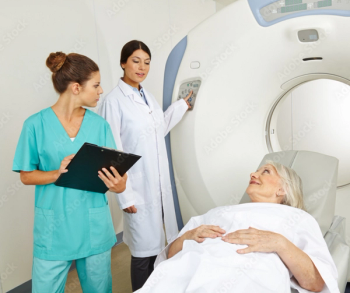
Utilizing biomarkers from magnetic resonance imaging (MRI) exams, AMRA Medical’s BCP Scan reportedly provides precise measurements of muscle and fat.
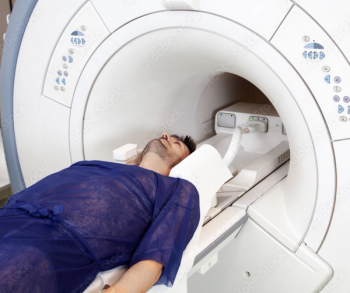
In a new study comparing the development of myocarditis among vaccinated patients to those with COVID-19-related illness and patients with other etiologies, researchers noted less severe abnormalities on magnetic resonance imaging (MRI) and no major adverse events in a short-term follow-up.
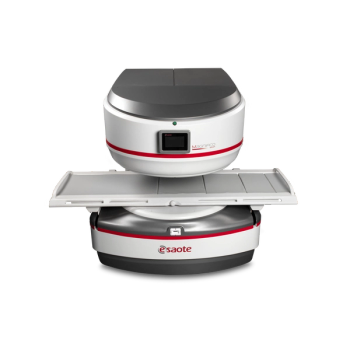
The new whole-body magnetic resonance imaging (MRI) platform reportedly offers enhanced image quality and increased patient comfort.
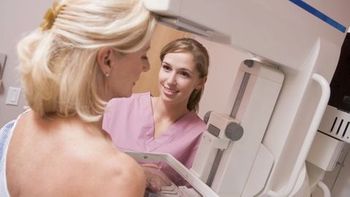
Given the broad range of fibrocystic changes, the authors of a recent study suggest that more precise diagnosis of breast MRIs could significantly reduce unnecessary biopsy procedures.
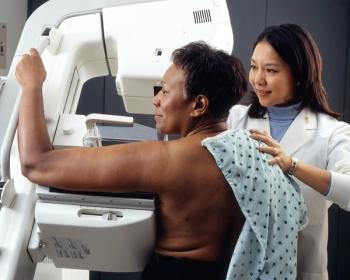
A new meta-analysis examines the diagnostic benefit of this emerging complementary modality.
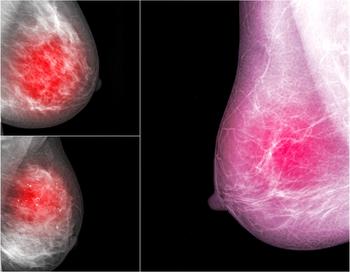
Diffusion-weighted imaging may be useful as a safe and effective screening tool to supplement mammography in women with dense breast tissues.
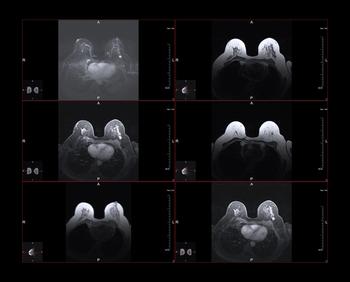
Following breast cancer treatment, women who have access to breast MRI may safely forgo additional mammographic or digital breast tomosynthesis follow-up.

Artificial intelligence can help seek out and identify high-risk patients who might benefit from more extensive screening.
Nonsuppressed background parenchymal enhancement could indicate patients who will show inferior response and allow for a personalized redirection of treatment.

Looking for these features could reduce biopsies and facilitate more timely screening.