














Cooled radiofrequency ablation (c-RFA) for moderate-to-severe hip and shoulder arthritis could help some patients avoid surgery and reduce the risk of opioid addiction.
Cooled radiofrequency ablation (c-RFA) for moderate-to-severe hip and shoulder arthritis could help some patients avoid surgery and reduce the risk of opioid addiction.

Here's what to expect this week on Diagnostic Imaging.
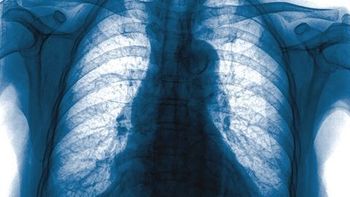
Using a structured reporting approach, radiologists are better able to predict which patients will also have a positive RT-PCR result.
Diagnostic Imaging and Testicular Cancer Risk; Digital Breast Tomosynthesis/Synthetic Mammography Combination for Breast Cancer Screening; Efficacy of Low-Dose CT Lung Cancer Screening; and the Evolving Role of the Radiologic Technologist

Study supports testicular shielding and efforts to reduce radiation in men and children during diagnostic scans.
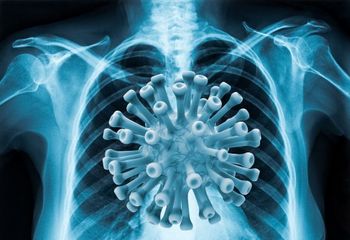
Ali Gholamrezanezhad, M.D., from the Keck School of Medicine, shares his COVID-19 insights after conducting more than three dozen studies.
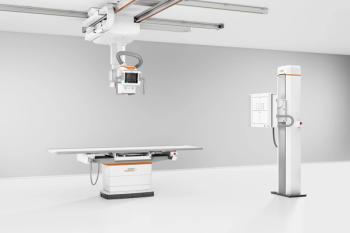
Ceiling-mounted system offers intelligent interface to guide technologists through exam.
Cases drafted by radiology extenders saved attending radiologists nearly one hour a day.
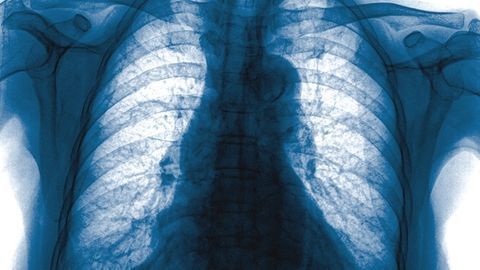
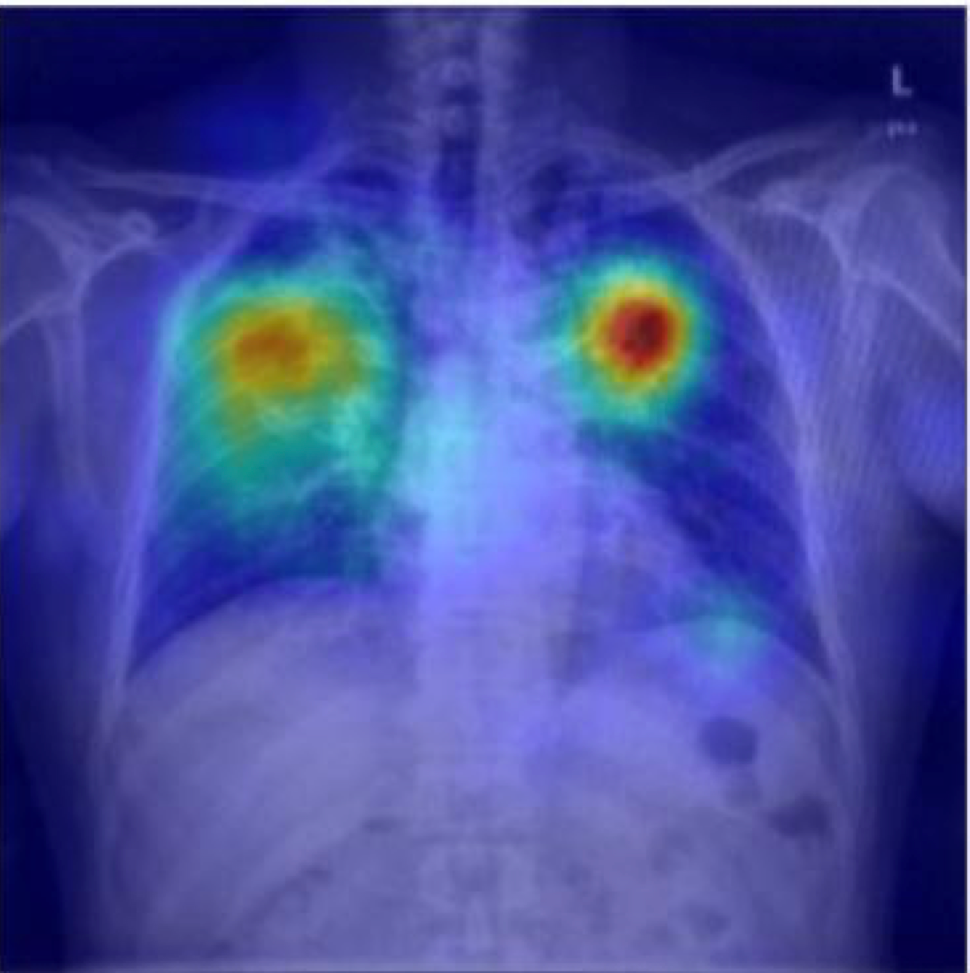
A well-trained algorithm can read chest X-rays as well as third-year residents, opening the door for more streamlined workflow and cost savings.
Three tips to help you limit dose exposure and optimize imaging protocols.
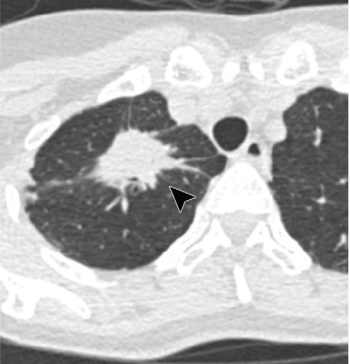
A commercially available deep learning algorithm performed comparably to the individual radiologist when assessing patients at low risk for the disease.
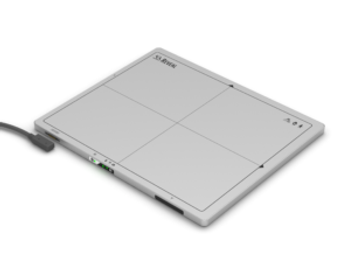
Portable, dual-energy X-ray detector delivers bone and tissue images in a single exposure.
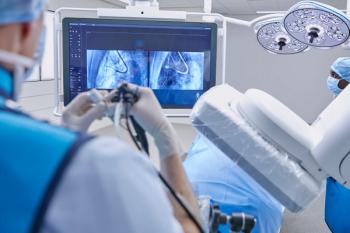
Azurion Lung Edition is supports precision diagnosis and minimally invasive therapy in one room.

Improving patient communication not only augments patient understanding of their radiation exposure with imaging studies, but it bolsters trust in their healthcare providers, as well.
Bringing mobile X-ray into nursing homes shortens the experience for patients living with dementia, helping them feel safe and calm.

The Society of Nuclear Medicine & Molecular Imaging released new recommendations for performing these studies during the pandemic.
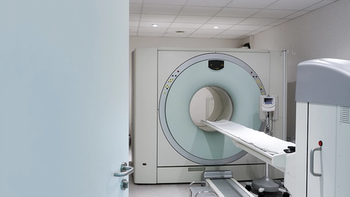
CT use has declined precipitously with pediatric appendicitis patients without a significant change in negative appendectomy rates.

Past RBMA President Christie James, American College of Radiology Commission on Economics Chair Greg Nicola, M.D., and Revenue Cycle Coding Strategies President Melody Mulaik discuss the radiology revenue cycle management challenges and solutions of the pandemic.
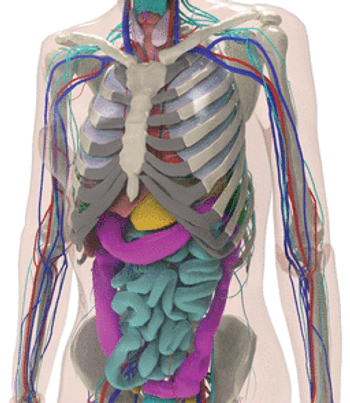
Virtual simulation models can help identify the best ways to use different modalities to improve patient care during the pandemic.
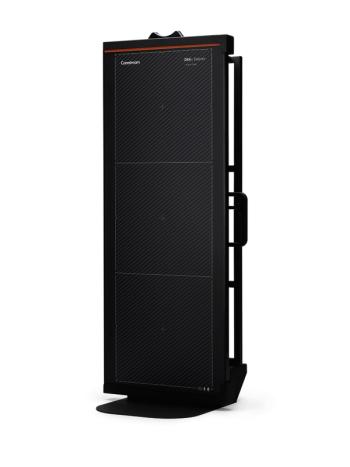
Multi-sensor device captures high-resolution images in seconds with single exposure to reduce dose.

Imaging volumes fell farther across most modalities in outpatient imaging centers and are taking longer to rebound.
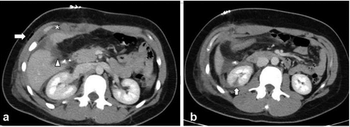
Severe intimate partner violence is five-fold higher this year than in the previous three – radiologists have the opportunity to proactively identify at-risk patients.
Medical imaging and data center will support development of artificial intelligence and medical advancements during the pandemic.

X-ray phase contrast imaging provides better soft tissue differentiation and tumor detection.
A team of international experts published seven recommendations for the use of chest imaging in the diagnosis and management of COVID-19-positive patients.