

Using an external tracking device can lead to super-resolution that can potentially improve neurological disorder detection.
Whitney J. Palmer has been with Diagnostic Imaging since 2011, serving as the Senior Editor since November 2019. She has 20 years experience in healthcare and academic medicine reporting.
Using an external tracking device can lead to super-resolution that can potentially improve neurological disorder detection.
Use enables direct imaging of disease process.

Using advanced artificial intelligence can give patients a personalized assessment of their risk for significant events, such as heart attack or death.

Primary care providers are less likely to recommend breast MRI for screening high-risk women.
Take a quick look at Diagnostic Imaging's Top 5 stories of the week.

Lower-dose protocols, which are not used as frequently as possible, can reduce re-imaging.

RP vice president earns historic promotion as the first female and first black female brigadier general.
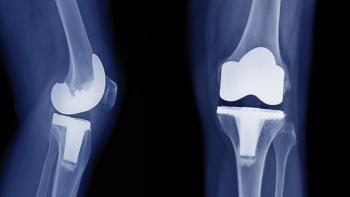
Using a deep convolutional neural network tool, radiographers can correct image errors and reduce repeated imaging.

Breast MRI is a good tool for supplemental screening in women who have a personal history of breast cancer.

The American College of Radiology announced its opposition to the title switch from physician assistant to physician associate.

While the opinion is growing that X-ray shielding for gonads isn’t necessary, some patients may still be concerned and request it.

Here's what to expect this week on Diagnostic Imaging.

Images show smaller hippocampal volume in patients with sickle cell disease compared to healthy patients.

A new view with different positioning can allow for better visualization.
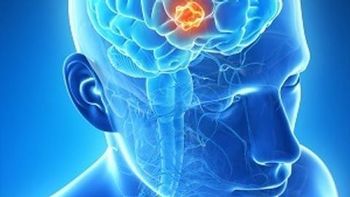
Patients who have their disease detected with low-dose CT have a half-fold risk of brain metastasis than patients screened with other methods.
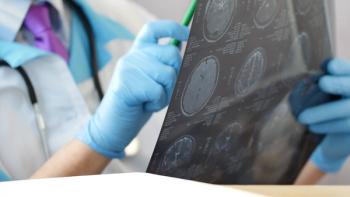
Patients experience fewer neurologic, motor, and language problems post-surgery.
Take a quick look at Diagnostic Imaging's Top 5 stories of the week.

Teaching radiology residents the skills used to observe and analyze works of art can improve their interpretation and reporting skills.
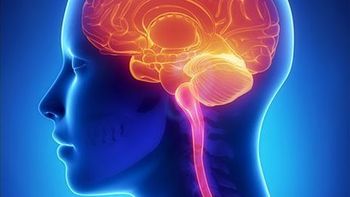
Homeless patients suffering from seizures undergo more CT scans, largely due to lack of access to chronic care, leading to a higher radiation dose and cancer risk.

In the midst of a “perfect storm,” radiology can see the benefits of community solidarity.

Research shows artificial intelligence models rely on shortcuts for detecting COVID-19.

Using advanced PET imaging instead of just traditional imaging alone can improve outcomes for patients with prostate cancer.

Including this scan improves detection of clinical and subclinical myocarditis by more than seven-fold, making it a vital part of return-to-play strategies.
Take a quick look at Diagnostic Imaging's Top 5 stories of the week.

Wearing a mask does cause an increase in report errors with speech-recognition software, but the mistakes are small and unlikely to cause a negative impact.
Augmenting generalizability of automated methods with local fine-tuning can help providers diagnosis osteoporosis with these scans.
Study results show DCNN can use imaging biomarkers to predict sex, potentially confounding the accurate prediction of disease.
Working with clinical and business leaders to create a standard process for point-of-care ultrasound opened the door for greater utilization and revenue capture.
Images can be skipped with monitors with refresh rates of both 60 Hz and 120 Hz.
Choosing a vendor for an enterprise imaging solution can be complex. Here’s what you need to inquire about to make the best choice for your organization.