

BU99008 traces reactive astrogliosis, a marker that provides early, rapid Alzheimer’s detection.
Whitney J. Palmer has been with Diagnostic Imaging since 2011, serving as the Senior Editor since November 2019. She has 20 years experience in healthcare and academic medicine reporting.
BU99008 traces reactive astrogliosis, a marker that provides early, rapid Alzheimer’s detection.

Findings support the growing call to no longer require a radiologist’s presence for a barium swallow study.
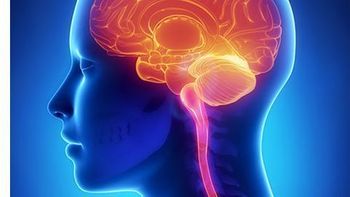
Using a model trained on three data sets could lead to automated categorization of “likely normal” and “likely abnormal” brain MRI results.
To successfully protect yourself from unforeseen circumstances, insurance – malpractice, life, disability, and umbrella – is vital.
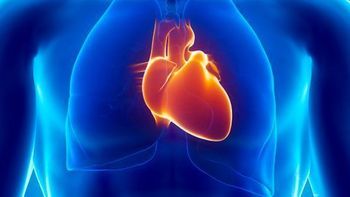
Patients living with HIV have a two-to-three-fold higher plaque burden than healthy individuals.

AI-fueled mammography triage software from DeepHealth wins 510(k).

Here's what to expect this week on Diagnostic Imaging.
Using systolic, diastolic, and mean arterial blood pressure values together results is a greater threshold for risk.
The diagnostic performance for central precocious puberty, growth hormone deficiency, and short stature is similar to that of standard contrast protocols.
The switch to using USMLE Step 2 Clinical Knowledge scores is anticipated in January 2022.
In high pre-test probability and quick RT-PCR settings, chest X-ray scoring can be predictive.

Liability and responsibility concerns are not significant with AI use now, but as the tools enter clinical use, that will change.

Study finds clinically significant percentage of patients with metastatic renal cell carcinoma develop asymptomatic brain metastases.

A low-dose CT for lung cancer screening can also predict a five-year cardiovascular disease risk of death when using a deep learning algorithm.
MD Anderson Cancer Center medical director shares her thoughts the priorities and challenges facing breast cancer detection and screening.

Clear communication with referring providers and patients is critical. Following these steps can help.
Patients want to know their risk. But, before you provide it, consider these factors to successfully integrate it into your practice.

Registry brings together images and clinical data from multiple practice settings to help answer questions and produce results.
Here's what to expect this week on Diagnostic Imaging.
Patients indicated breast imaging radiologists expressed more empathy over the diagnosis and had more understanding of their scans than other providers.
Although these tests are controversial, they are highly effective in identifying lumps that lead to breast cancer diagnoses.
CEM performance showed no significant difference between women with or without breast implants, and it produced very few complications.
Despite recommendations from the American College of Radiology, most providers opt to delay screening in these women.
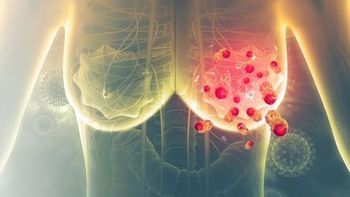
The screening mammography non-adherence rate among American Indian women is 1.5 times that of the overall population.

After a decade, roughly 75 percent of women with dense breasts seen in one department now undergo screening whole-breast ultrasound as a supplemental imaging service.

Pediatric breast ultrasound use should be minimized for patients with breast pain but not a palpable mass.

Images can pinpoint which women are at risk for ischemia and nipple necrosis.
Results show screening adherence is low among patients who could benefit most from scans.
Cutting the time for a knee MRI protocol in half can accelerate image capture without compromising image resolution or quality.
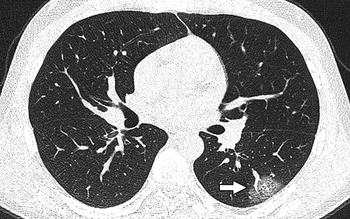
The use of soft-tissue biomarkers identified on chest CT can be a reliable way to accurately assess risk.