
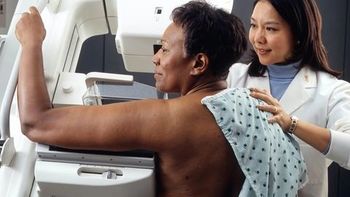
More than 60 percent of news stories, including those discussing screening mammography, only highlight the potential benefits of testing.
Whitney J. Palmer has been with Diagnostic Imaging since 2011, serving as the Senior Editor since November 2019. She has 20 years experience in healthcare and academic medicine reporting.
More than 60 percent of news stories, including those discussing screening mammography, only highlight the potential benefits of testing.
Algorithms outperformed providers in accurate, quick detection and classification.
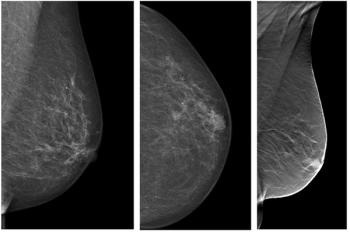
Findings support argument for replacing digital mammography with digital breast tomosynthesis for breast cancer screening.
This partnership opens the door to better access to data for AI tools, as well as streamlined workflow, augments physician training, and better patient care.

Moving into practice presents challenges, but new providers can proactively take steps to quickly familiarize themselves with a new job.

Here's what to expect this week on Diagnostic Imaging.

Impact felt the most in specialties with high screening rates, least in interventional radiology.
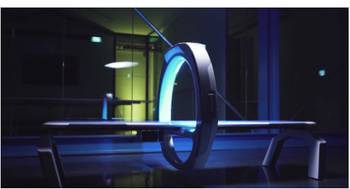
Device is intended to be an early X-ray detection tool for preventive care.

QCT can pick up on small airway changes in smokers that are not yet visible on CT scans.

Images show greater rates of emphysema in individuals who smoke marijuana than in those who smoke tobacco-only cigarettes or non-smokers.
Fetal cardiac MRI and congenital heart defects; Survival tips for early radiology practice; Plus, Risk-based prioritization models for mammography during crises.
The latest products released on the market for Quarter 1 2021.
What residency doesn’t teach you, but that you need to know for your practice.

510(k) clearance has been awarded to artificial intelligence-based tool designed to accelerate respiratory disease diagnosis.

Move underscores practice’s foundation of being physician-led.
Pairing machine learning methods with chest X-rays can potentially improve viral detection in areas where access to swab testing and chest CT scans is inadequate.
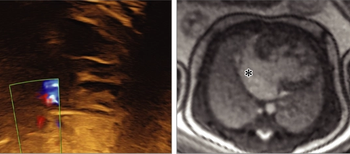
In more than 80 percent of referred cases, information gathered from fetal CMR can change clinical decision-making, and it can impact parental counseling, as well.
Here's what to expect this week on Diagnostic Imaging.
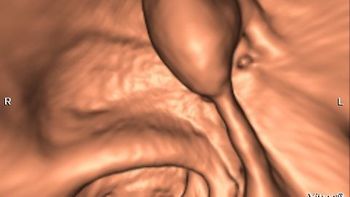
The 2016 recommendation has led to a significant increase in the use of the non-invasive exam.
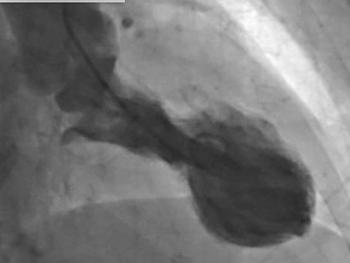
Increased stress-related brain activity in the amygdala can increase a patient's risk for Takotsubo syndrome.
Chest X-ray and Chest CT for TB Detection; Contrast-Enhanced Mammography for Women with Breast Implants; Risk-Based Approach to Optimizing Mammography During Crisis; Plus, Natural Language Processing for COVID-19 Case Volume Prediction
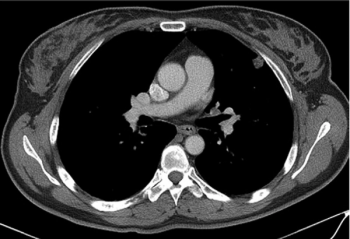
Using a deep-learning detection system at the time of image interpretation – not as a second reader – improves accuracy.

Focusing on high-to-very high risk patients could provide the greatest cancer detection rate with the fewest exams during times of reduced capacity.
In patients with cerebral small vessel disease, brain tissue damage can occur before lesions even appear on imaging.
Knowing what to look for, what protocols to use, and what mistakes to avoid can be vital to capturing diagnostic images.
RADLogics’ CEO Moshe Becker discusses the potential role of the chest CT AI tool and the impact it could make into the future.

While most cases do not point to an urgent need, knowing how frequently these findings appear can help with decision-making.
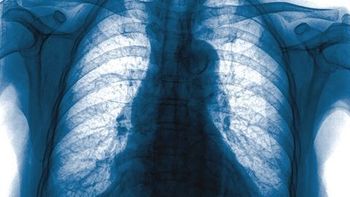
Decline in number of TB cases is slowing in the United States, making timely identification critical.
Here's what to expect this week on Diagnostic Imaging.
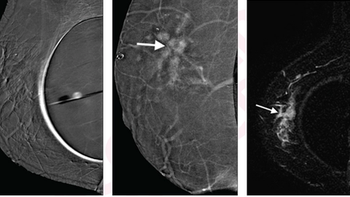
Findings show contrast-enhanced mammography is an acceptable option for women who may not have access to MRI or who cannot undergo the exam.