

Breast cancers identified between patient screenings are more aggressive and lethal.
Breast cancers identified between patient screenings are more aggressive and lethal.

Tampa Bay-based practice launches text and online registration process for maximum social distancing.

Radiologists warn this magnetic cosmetic attachment could pose a risk for patients or compromise image quality.

510(k) clearance applies to four critical abnormalities; two are exclusive to Qure.ai’s product.

Diagnostic Imaging's Weekly Scan: July 3, 2020
After adjusting for traditional vascular risk factors, radiologists encourage aggressive monitoring of COVID-19 patients for blood flow changes to the brain.

Monitoring color flow gain in 3D quantitative blood flow measurements provides accurate and reliable information.

Konica Minolta leaders outline the challenges to – and discuss tech solutions for -- provider and IT productivity during SIIM2020.
Newly created peptide antagonist outperforms standard agonist imaging agent in head-to-head comparison.

Scans used, for the first time, to examine relationship between neocortex and cognitive decline.

Internal reporting app, designed for radiologists, increased provider participation and captured incidents in a greater number of categories.

Contemplating an editor for radiology reports.

T1 mapping has the potential to determine neuroblastoma aggressiveness, as well as early efficacy of treatment.

Radiologists who use more mouse clicks to process radiographs have higher turnaround times.
Patients rate mammogram reports with annotations as easier to comprehend.

Convolutional neural network accurately identifies “mass effect” lesions in more than 50 disease entities.
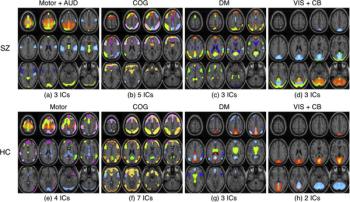
Image analysis method allows clinicians to more accurately see changes in the brains of patients with schizophrenia based on specific therapies.

The industry should pay more attention to the interplay between providers and AI tools, says Elizabeth Krupinski, Ph.D., during SIIM 2020.
Database intended to be the largest open database of COVID-19-related imaging worldwide.

Diagnostic Imaging Weekly Scan: June 26, 2020

Amazon Alexa skill RAD-Assistant successfully retrieves pulmonary nodule and ovarian cyst clinical follow-up guidelines.

Alexander Towbin, M.D., from Cincinnati Children’s Hospital Medical Center shares his thoughts during SIIM 2020.

The automated algorithm can help save both time and money and minimize clinical subjectivity.

Go-to steps from a senior imaging informatics analyst during SIIM 2020 to bolster security efforts.
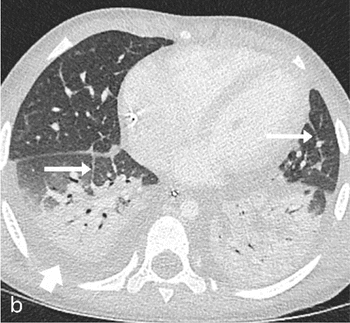
Multisystem Inflammatory Syndrome in Children appearing in pediatric patients with COVID-19 infection and exposure.
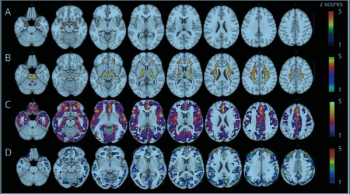
Women score worse than men in four key brain health areas associated with Alzheimer’s biomarkers.

COVID-19 is an additional factor in patients shying away from follow-up exams. Nuance Communication’s Sander Kloet shares his perspectives from SIIM on addressing this issue.

A dashboard to track the total image analysis time, as well as a daily performance report, reduced emergency department turnaround times and improved workflow.
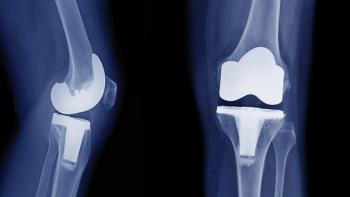
Deep learning algorithm is more accurate in predicting which patients with knee osteoarthritis might need a total knee replacement.
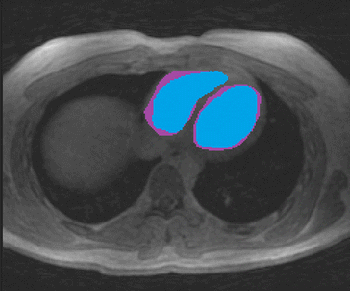
Imaging method offers greater understanding into right-sided heart dysfunction.