
COVID-19 Damage, but No Virus in the Brain; Non-Ferromagnetic Bullets and the MRI; Six Trends to Watch in 2021; and AI and Ethics
COVID-19 Damage, but No Virus in the Brain; Non-Ferromagnetic Bullets and the MRI; Six Trends to Watch in 2021; and AI and Ethics
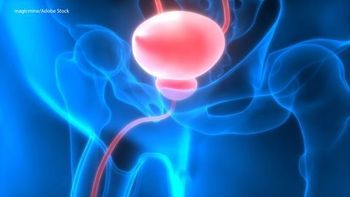
Pathological tumor size is frequently under-estimates the size of prostate tumors, particularly smaller tumors.
Credentialing leads to higher-quality, more consistent care while improving patient trust.
Study finds significant duplicate efforts to determine the most common imaging findings of the virus in children.

Five-year contract furthers the companies’ existing partnership.
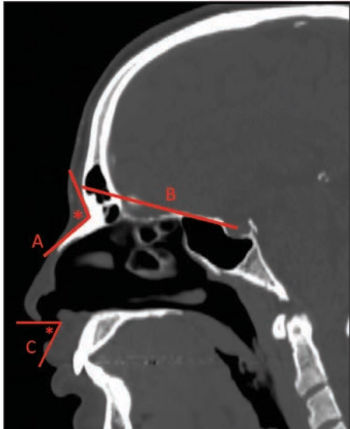
Using findings captured on CT scans, radiologists can improve the planning and outcomes for this surgery, improving the care of transgender women.
These measurements can be used to predict at three months which patients will develop post-traumatic stress disorder after traumatic brain injury.
It’s a New Year – what should you keep your eyes on and where should you anticipate change?
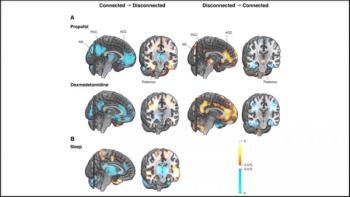
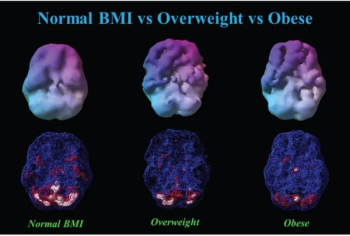
PET scans show activity of the brain network that is linked to changes in connectedness.

The pharmaceutical industry has accomplished the medical breakthrough of our lifetime. In nine months, the investigators, physicians, and business leaders involved have created a lifeline, rescuing the world from COVID-19. It’s a feat the United States and the world must appreciate.
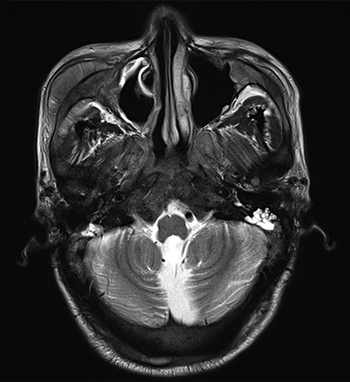
Radiologists can use X-rays and CT scans to identify features left by non-ferromagnetic ballistic fragments, opening the door to MRI imaging for some patients.

The Journal of the American College of Radiology tackles the provocative in its first issue of 2021.
Artificial intelligence topped the list of five major themes at RSNA 2020, highlighting all the developments from vendors this year.

In a $64-million deal, Hologic has acquired SOMATEX Medical Technologies GmbH, effectively expanding its breast health care solutions capabilities.

Here's what to expect this week on Diagnostic Imaging.
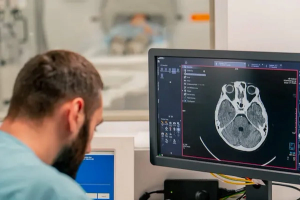
Study shows blood vessel damage and inflammation in the brain, but no evidence of SARS-CoV-2.
What if you report things that aren’t on the scan you’re given?
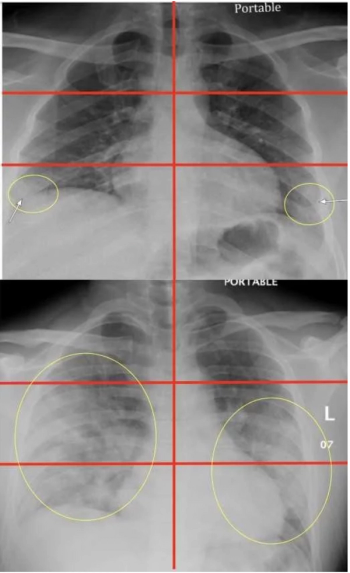
What were most popular stories with X-ray this year?
Thanks to COVID-19, CT was largely in the spotlight this year, but these Top 5 stories show advancements for the modality in other areas, as well.
Sometimes autopilot can be the protector of critical thinking and decision making.
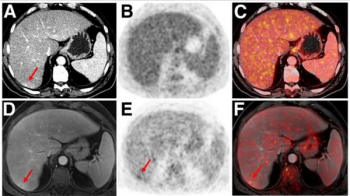
MRI reveals its wide utility this year, demonstrating improved performance in disease detection, as well as outperforming other modalities in providing clearer, more detailed images.
From imaging guidance to clinical presentations to disinfection procedures, coverage of all the work around COVID-19 this year gave the industry a great deal of insight into the pandemic.
They might not be used for diagnosis, but pay attention to -- and sharpen -- your non-interpretive skills. They can create a much better work environment.
Frost & Sullivan analysts offer their insights on how 2020 opened the door for greater telehealth functionality with ultrasound.

Imaging informatics can be an effective tool in meeting clinical needs, but it can also be a vehicle for increasing flexibility in radiology, says Carol Wu, M.D., RADxx Rising Star 2020 Awardee.
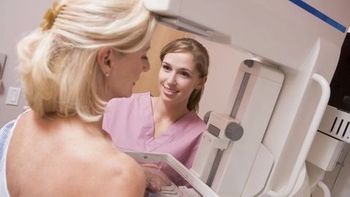
Study finds basing screening recommendations on age does not maximize the benefit – using different factors to design targeted testing would be better.

Providers must invest in more quality and safety education to mitigate these risks and reduce error rates.

Working at one facility or practice for your entire career is no longer the norm. Knowing how to recognize when – and why – to make a move can be beneficial.

Here's what to expect this week on Diagnostic Imaging.
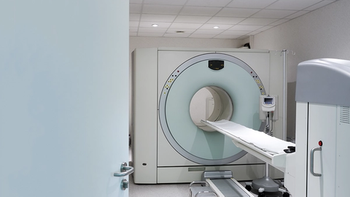
From a central role in the COVID-19 pandemic to artificial intelligence advancements, CT further secured its role as a valuable arrow in the radiologist’s quiver.