

Low-dose ionizing radiation from cardiac imaging after heart attack poses a greater cancer risk for women than men.
Using MRI to measure aortic wall thickness and plaque may help physicians predict the risk of cardiovascular events.
Some radiologists are seeking to revive mentoring both locally and nationally as a way to support the specialty.
FDA issues long-awaited guidance on the regulation of mobile medical apps. Radiology apps to be among most regulated.
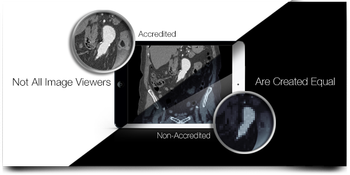
Not all diagnostic image viewers are the same. Know what questions to ask before making a purchasing decision.
Magnetic resonance elastography may be a viable alternative to detecting liver fibrosis in children.
PACS gives radiologists and NFL national network to share player images.
Removing comfort pads between babies in neonatal intensive care beds and image detectors reduces the radiation exposure amount to the baby.
Whole-body MRI may help detect cardiovascular and cerebrovascular changes in patients with diabetes, allowing more aggressive management.
Canadian researchers developed a tool to use with low-dose CT screening that accurately estimates the probability of lung nodule malignancies.
The top 10 things that will help optimize reading room comfort and efficiency while reducing fatigue and strain.
Observing children with minor blunt head trauma longer can help avoid unnecessary CT scans.
Radiation given during CT as part of whole-body PET/CT exams can be safely reduced without comprising image quality.
A growing trend toward volunteerism brings radiologists closer to communities.
Intraoperative cholangiography use during cholecystectomy does not reduce the incidence of common hepatic duct or common bile duct injuries.
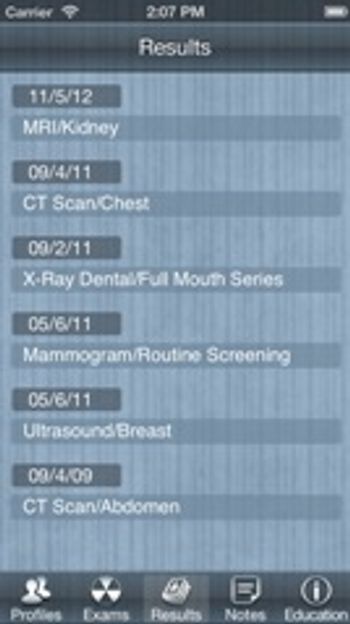
Stacey A. Funt, MD, a New York radiologist recently created the app My Imaging Records to help people to keep track of their personal medical of dental images.
Medical students who followed a three-day elective course covering the ACR Appropriateness Criteria were more knowledgeable about appropriate image utilization.
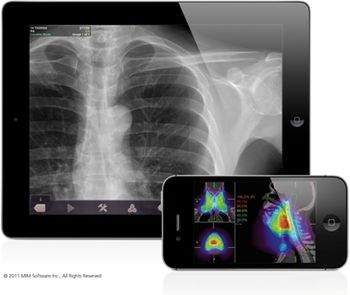
Smartphones and tablets are becoming essential extensions of radiologists’ work life. Facilities must have robust policies that are constantly updated.
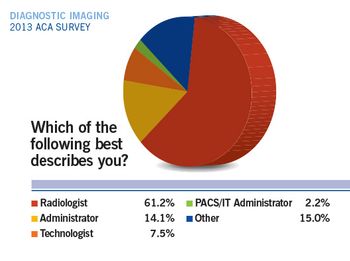
Reimbursement cuts, hiring freezes and equipment purchasing holds are a reality for many radiology groups under the Affordable Care Act, according to a recent Diagnostic Imaging survey.
MRI images of the brain may help clinicians identify kindergarten-aged children with dyslexia before they have started to learn how to read.
Ankle radiographs performed on children presenting with acute ankle injuries dropped by almost 22 percent in emergency rooms that implemented the Low Risk Ankle Rule.

Most physicians don’t support a shift away from the fee-for-service model. Do you agree? Or is bundled payments and incentives the path forward?
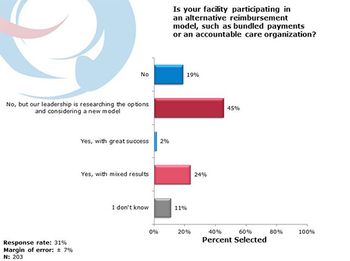
Radiology managers at hospitals and imaging centers are concerned about declining reimbursement from the Affordable Care Act and are monitoring the law closely.
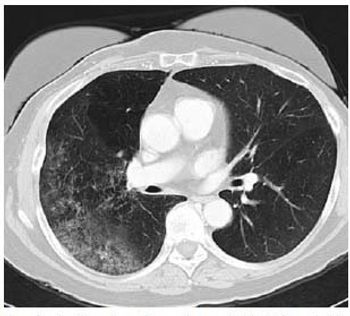
Higher-quality scans means radiologists are detecting more incidental findings. But how and when should they be reported and recommended for follow-up?
X-ray use for diagnosing pediatric asthma in the emergency department increased over the last few decades.

Radiology is facing more reimbursement cuts under the Affordable Care Act. Here’s what to expect and what to do about it. (Part 4 of 4)
Web-based quality control system results in significantly fewer common image quality errors radiographs, CTs and MRIs.
Asymptomatic people at high-risk for lung cancer should undergo annual screening with low-dose CT, says USPSTF.
VIDEO: Mark Flyer, MD, CIIP, of Maimonides Medical Center, shares the experiences and lessons learned when his facility implemented a critical test results management system.