

Physicians say other healthcare players bear a greater responsibility for lowering costs. Are they shirking their duties, or is it more up to others in the industry?
Physicians say other healthcare players bear a greater responsibility for lowering costs. Are they shirking their duties, or is it more up to others in the industry?

Parents may be underestimate the small increased cancer risk associated with their child undergoing a CT scan.

Health reform aims to streamline communication for better data sharing. But the vehicle, Health Information Exchanges, face challenges in adoption. (Part 3 of 4)
Physicians used significantly lower radiation doses for cardiac CT angiography when weekly dose reports provided feedback on the tests performed.
Low-dose CT lung cancer screening was most beneficial in the 60 percent of people who had the highest likelihood of dying from the disease.
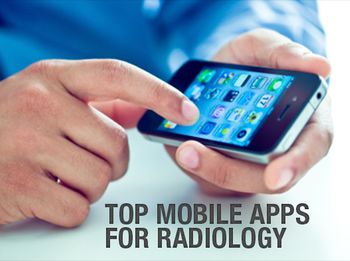
Mobile apps are helping radiologists view and share images, collaborate with other physicians, and review files. Here are several must-have radiology apps.
Accountable care organizations are beginning to emerge, but radiology has been slow to join. Here’s how imaging fits in and how the industry must prepare. (Part 2 of 4)

The use of electronic health records cut the cost of outpatient care, including radiology, by 3 percent, compared with the use of paper records.
Too many CT scans are still performed on children complaining of headaches.
Healthcare reform is sure to affect radiology reimbursement. The exact payment model isn’t clear, but it will no doubt be a shift from fee-for-service. (Part 1 of 4)
Using a half dose of contrast with 3-T MRI for patients with early rheumatoid arthritis shows identical image quality as full-dose.
Physicians are increasingly demanding electronic interfaces with their imaging vendors. To do so, providers must look at new models like Web-based EMRs.
Radiology residents are facing high burnout levels, thanks to stress about finances. Here's what researchers found and what can be done.
Siemens Healthcare has received FDA clearance for their MAMMOMAT Inspiration Prime Edition lower dose mammography system.

iPads are helping radiology residents learn by providing access to online journals and texts, but they still have not become essential work tools.
Siemens Healthcare has received FDA clearance for its Virtual Touch imaging ultrasound application.
A video-based patient decision aid may help smokers make more informed decisions about undergoing CT screening for lung cancer.
Carestream received FDA clearance for a new wireless digital radiography detector designed for low-dose pediatric exams.
Cincinnati Children’s Hospital Medical Center researchers developed imaging software that reduced radiation by 37 percent.
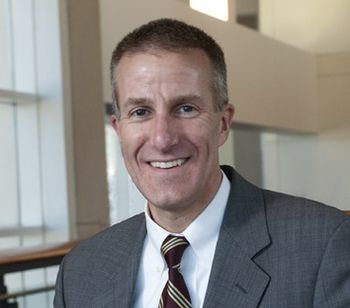
The ACR’s Harvey L. Neiman Health Policy Institute recently examined future healthcare payment models. CEO Richard Duszak explains.
VIDEO: Bradley Erickson, MD, PhD, FSIIM, explains translational research and the challenges facing innovative radiology organizations.
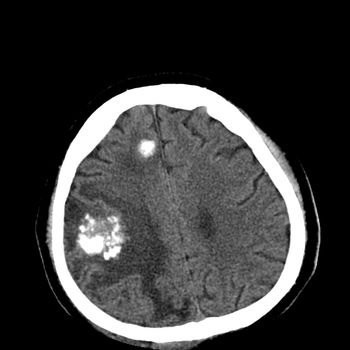
Children’s risk from radiation exposure from CT scans drops significantly when dose from the highest-dose exams is lowered and unnecessary exams eliminated.
Contrast media with CT significantly increased radiation dose, so number and timing of contrast-enhanced scans should be optimized when setting protocols.
MR images detect heart damage in childhood cancer survivors who were treated with anthracycline-based regimens.
The use of mobile technologies in healthcare continues to grow, with staff accessing data on their own devices.
Waiting to jump head-first into the federal government’s meaningful use program? That might not be a bad idea, David Avrin, MD, said at SIIM.
Clinical decision support can assist multiple times in the medical imaging chain to improve efficiency and patient care, according to experts at SIIM 2013.
Very few HIEs transfer medical images, but that data together with an exchange approach that aggregates patient data will reveal HIE’s potential, say experts at SIIM 2013.
Certified imaging informatics professionals have gained ground in radiology and are a major topic at SIIM. Paul Nagy, PhD, explains how they can transform radiology practice.