

Taking the time to reexamine motivational priorities may be key to achieving an optimal work-life balance.
Taking the time to reexamine motivational priorities may be key to achieving an optimal work-life balance.
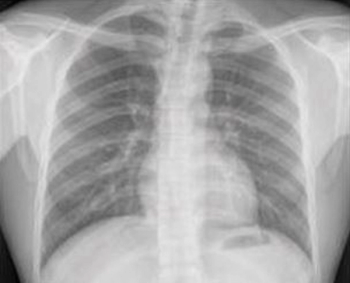
Based on a single existing chest X-ray image, the deep learning model predicts future major adverse cardiovascular events with similar performance to an established risk scoring system and may help identify people for preventive use of statin medication.
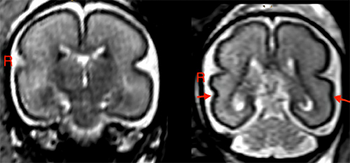
Researchers found that even low amounts of alcohol consumption in pregnant women can lead to early and diffuse structural changes in brain regions related to key functions including language development.
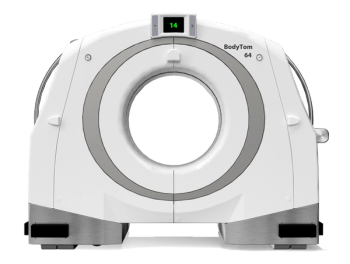
Enhancements for the BodyTom 64 Point-of-Care Mobile Computed Tomography (CT) Scanner include upgraded cross-sectional imaging capabilities and a Linux operating system.
Offering more than 70 clinical applications, the next-generation edition of the Advanced Visualization Workspace reportedly includes enhanced liver analysis and artificial intelligence (AI)-powered scoring of early brain infarction noted on computed tomography (CT) scans for patients with ischemic stroke.
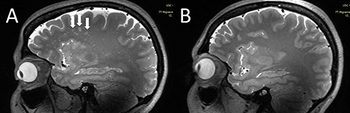
New magnetic resonance imaging (MRI) research suggests a significant link between deep white matter hyperintensity severity and increased quantity of enlarged perivascular spaces in the centrum semiovale among people with migraines.
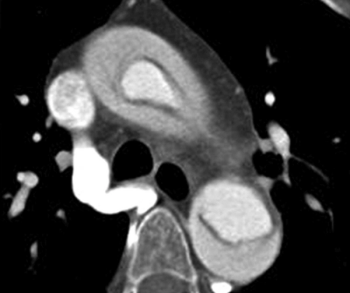
New research suggests the Viz Aortic Dissection Algorithm has a 94.2 percent sensitivity rate for detecting aortic dissection on computed tomography (CT) angiography.
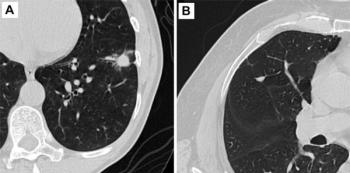
Emphasizing the benefits of annual lung cancer screening with low-dose computed tomography (CT), researchers noted high 20-year survival rates for a variety of early-stage lung cancer tumor presentations, including a 100 percent survival rate for those with non-solid or partly solid cancerous nodules.

Building a career for the long haul requires a foundation of good life and work habits as well as an openness to innovation and change.
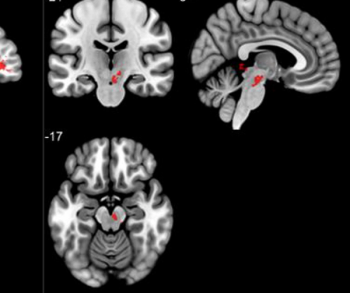
COVID-19 may cause changes in the brain stem and frontal lobe that could lead to fatigue, impacts in motor signal processing, insomnia, and depression, according to emerging research recently presented at the Radiological Society of North America (RSNA) annual conference in Chicago.
Catch up on the top radiology content of the past week.
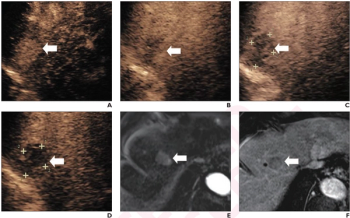
Emerging research showed the combination of contrast-enhanced ultrasound (CEUS) with perfluorobutane and modified 2017 LI-RADS criteria had comparable sensitivity, specificity, and accuracy to current magnetic resonance imaging (MRI) and computed tomography (CT) approaches to detecting hepatocellular carcinoma (HCC) lesions.
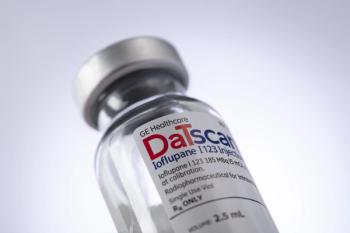
GE Healthcare’s DaTscan is reportedly the first radiopharmaceutical tracer agent approved by the Food and Drug Administration (FDA) for use in patients with suspected dementia with Lewy bodies.
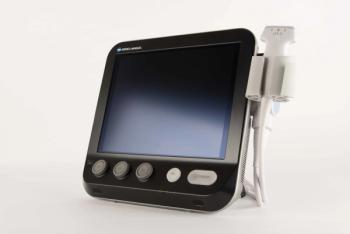
The Sonimage MX1 Platinum device reportedly offers a number of features to provide optimal ultrasound image resolution in a variety of point-of -care settings.
The ebbs and flows of worklists in radiology require equal parts productivity and preservation.
Catch up on the top radiology content of the past week.
A new study of nearly 17 million emergency department (ED) visits by Medicare beneficiaries between 2005 and 2020 revealed the presence of non-physician practitioners (NPPs) was associated with a 5.3 percent increase in imaging.

Findings from a recent multinational phase III trial demonstrated that the investigational agent TLX250-CDx had an 86 percent sensitivity rate for detecting clear cell renal cell carcinoma via positron emission tomography/computed tomography (PET/CT).
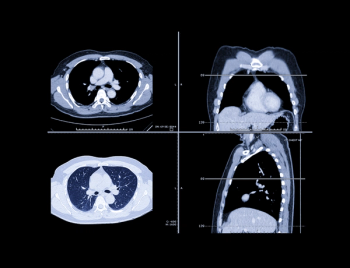
In the newly released Lung-RADS 2022 classification system for computed tomography (CT) lung cancer screening, the American College of Radiology (ACR) has noted a variety of updates including new classification criteria for atypical pulmonary cysts and airway nodules, time intervals for nodule growth and a new stepped management approach for Lung-RADS categories 3 and 4A.
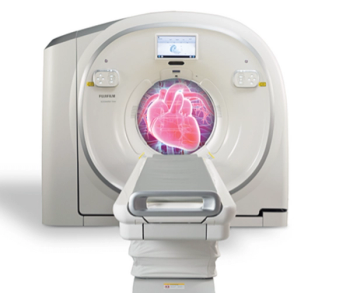
The recently launched Scenaria View Focus Edition computed tomography (CT) system features an advanced cardiac motion correction tool that reportedly provides significantly higher temporal resolution than conventional image reconstruction.
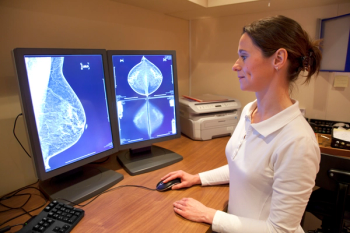
In a recently published article, researchers from Yale University discuss the pros and cons of current FDA regulations as they apply to the clearance and use of adjunctive artificial intelligence (AI) software with conventional breast cancer screening modalities such as mammography.
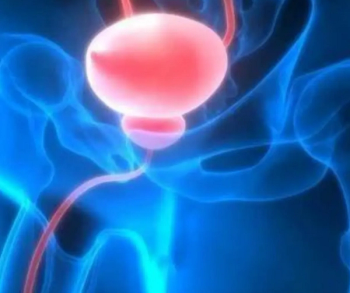
New research shows that 18F-NaF PET/CT had higher sensitivity, accuracy, and negative predictive value than 99mTc-MDP SPECT for bone metastases in patients deemed to be at high risk for prostate cancer or breast cancer.
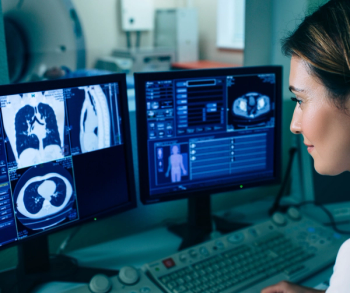
Do our assumptions and “satisfaction of search” prevent us from digging deeper on imaging reads?
Catch up on the top radiology content of the past week.
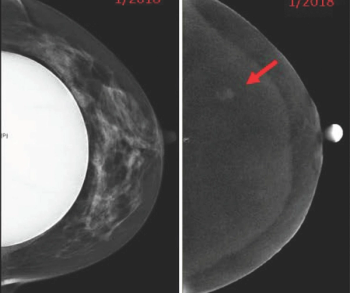
In a new study involving 198 contrast-enhanced mammography exams in 104 women with breast implants, researchers noted that only one patient had a complication.
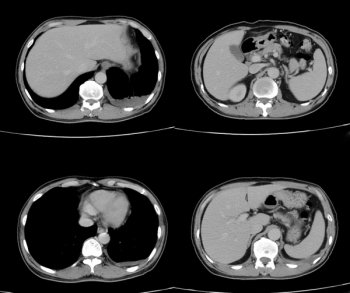
In a multicenter study of 685 people who had positive findings for lung cancer on low-dose computed tomography (CT), researchers found that men, Black individuals, and smokers had lower rates of adherence with recommended follow-up care.
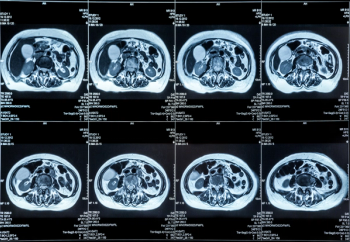
In two independent study cohorts, researchers found that first-degree relatives of probands with non-alcoholic fatty liver disease (NAFLD) and advanced fibrosis had a 14 to 15.6 percent higher risk of developing advanced fibrosis.
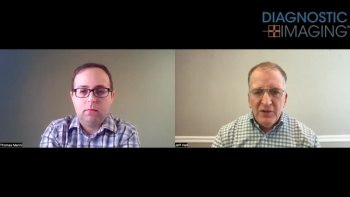
In a recent video interview, Thomas Marini, MD discussed the need for ultrasound access to facilitate breast cancer screening in underserved populations and the potential utility of volume sweep imaging, a handheld ultrasound technique that requires minimal training and has a high rate of agreement with conventional ultrasound on BI-RADS assessments.
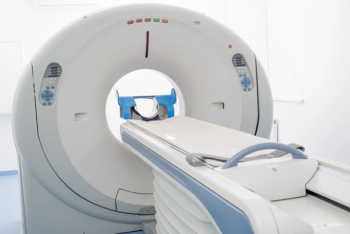
Reviewing data from over 4 million patients who presented to emergency departments with suspected urinary stone disease between 2012 and 2018, researchers noted a greater than 10 percent decrease in visits with no imaging study and a greater than 10 percent increase in visits with CT imaging.
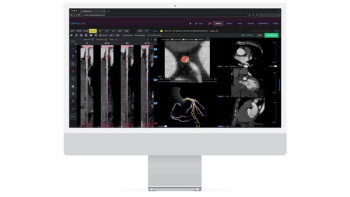
Emphasizing ease of installation and a cloud-based service, Cleerly said its new Proxy software allows smooth transmission of coronary computed tomography angiography (CCTA) scans between interdisciplinary clinicians caring for patients with heart disease.