


Neurology MRI
Latest News
Advertisement
Latest Videos


Shorts

1:12
Where Things Stand with MRI Safety Standards
5 months ago
by
Emanuel Kanal, MD
0:46
Mild Cognitive Impairment and Long Covid: A Surprising Finding from a Recent Study
7 months ago
by
Jennifer Frontera, MD
1:11
Detecting Small Ischemic Lesions with Low-Field MRI
7 months ago
by
W. Taylor Kimberly, MD
0:28
An Extended Window for Image-Guided Thrombolysis in Acute Ischemic Stroke Cases
8 months ago
by
Jeremy Heit, MD, PhD

0:38
Long Covid and Alzheimer's Disease: What New MRI Research Reveals
8 months ago
by
Yulin Ge, MD

0:55
Optimizing Data from Brain MRI: Can a Vision-Based AI Foundation Model Have an Impact?
8 months ago
by
Benjamin Kann, MD

0:43
Study: AI Finds 'Substantially' More Aneurysm Growth than Neuroradiologists
8 months ago
by
Jeremy Heit, MD, PhD
1:04
Redefining Roles of On-Site and Remote MR Techs
9 months ago
by
Emanuel Kanal, MD
0:46
Emerging Insights on Low-Field MRI for Mild and Moderate ARIAs
a year ago
by
Tammie Benzinger, MD











Advertisement
More News
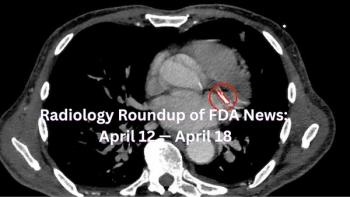
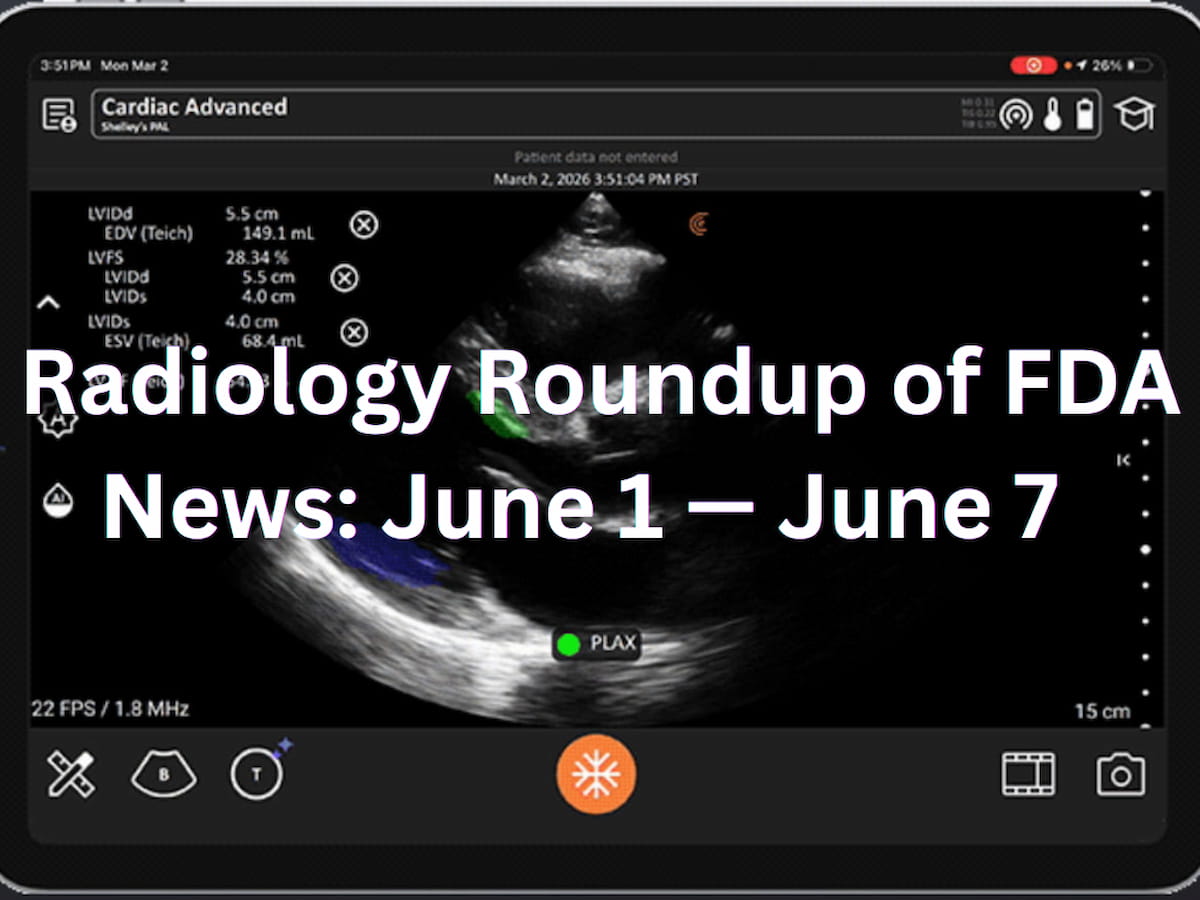
Catch up on a variety of new FDA clearances in radiology from the past week.

Catch up on the top radiology content of the past week.
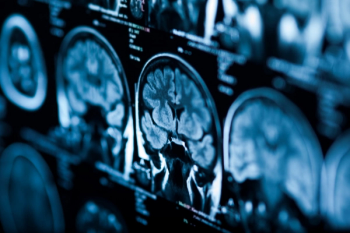
For patients with cardiac dysfunction related to neoadjuvant chemotherapy for invasive breast cancer, new MRI research shows increased risks for concurrent decreases in total brain volume and white matter volume.
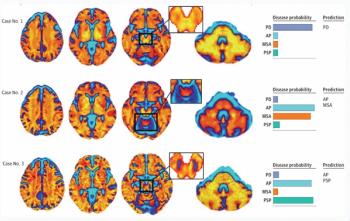
The neuropacs™ MRI-based AI software provided a 96 percent or better AUROC for differentiating between Parkinson’s disease, atypical parkinsonism, multiple system atrophy Parkinsonian variant and progressive supranuclear palsy, according to a prospective multicenter study published in JAMA Neurology.
Catch up on the top radiology content of the past week.

In a new podcast episode, Jennifer Frontera, M.D., discussed new research demonstrating a significantly higher prevalence of mild cognitive impairment in patients with Long Covid.
Catch up on the top AI-related news and research in radiology over the past month.
Catch up on the top radiology content of the past week.
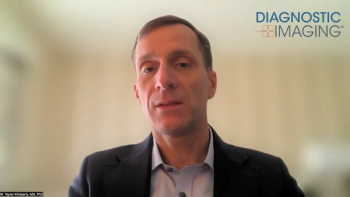
In an interview, W. Taylor Kimberly, M.D., discussed recent research showing that multidirectional diffusion-weighted imaging (DWI) on low-field MRI yielded a 95 percent positive predictive value (PPV) for detecting acute ischemic stroke.
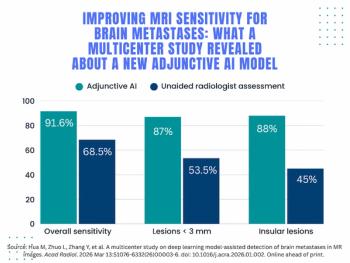
Use of an MRI-based deep learning model also led to a greater than 33 percent increase in detecting brain metastases less than or equal to 3 mm, according to newly published research.
Catch up on a variety of new FDA clearances and approvals in radiology from the past week.
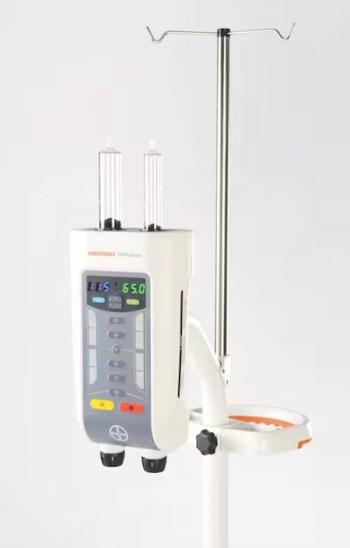
The MEDRAD MRXperion MR Injection System is cleared for use with low-field and high-field MRI platforms, including 7T MRI.
Catch up on the top radiology content of the past week.

Catch up on the most-well viewed radiology content in February 2026.
Catch up on the most well-viewed video interviews from Diagnostic Imaging in February 2026.
Catch up on the top AI-related news and research in radiology over the past month.
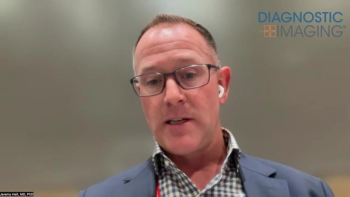
In a recent interview, Jeremy Heit, M.D., Ph.D., discussed key neuroimaging takeaways from changes to the updated guideline from the American Heart Association and the American Stroke Association for early evaluation and management of patients with acute ischemic stroke.
Catch up on a variety of new FDA clearances and approvals in radiology from the past week.
Catch up on the top radiology content of the past week.
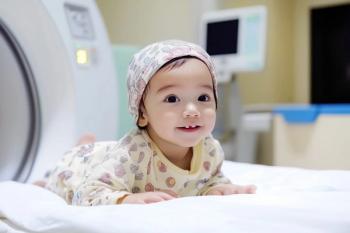
MRI Contrast Agent Gadopiclenol Gets Expanded FDA Approval for Children Under Two Years of Age
Published: | Updated:
Previously approved by the FDA in 2022, the macrocyclic gadolinium-based MRI contrast agent gadopiclenol can now be utilized to detect lesions with abnormal vascularity in the central nervous system and other parts of the body for children under the age of two.
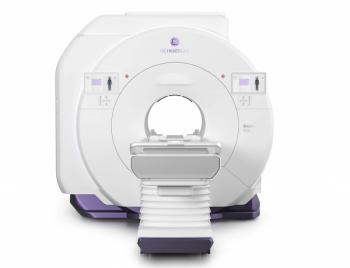
The FDA clearances include the 1.5T SIGNA Sprint with Freelium MRI platform, the 3T SIGNA Bolt MRI system and the AI-powered SIGNA One, which reportedly enhances MRI workflow efficiencies.
In a recent interview, Yulin Ge, M.D., discussed emerging research showing correlations between brain MRI findings in patients with Long Covid and established blood biomarkers for Alzheimer’s disease.
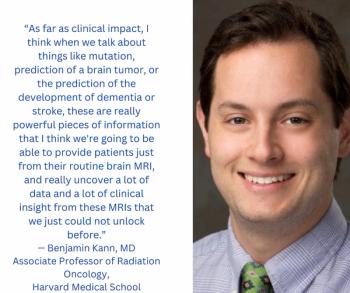
Sharing his perspective as well as insights from recently published research, Benjamin Kann, M.D., discussed the utility of AI foundation models for accessing an array of diagnostic and prognostic data from brain MRI scans.
Catch up on the top radiology content of the past week.
In a recent interview, Benjamin Kann, M.D., discussed new research highlighting the capability of an AI foundation model to obtain a variety of diagnostic and prognostic data from brain MRI scans.
Advertisement
Advertisement
Trending on Diagnostic Imaging
1
Key Sessions of Interest for Radiologists at the Upcoming HLTH USA Conference
2
The Reading Room Podcast: Current Perspectives, Challenges and Possibilities with AI in Breast Imaging, Part 3
3
Why Dutifully Waiting in Line is No Longer an Option for Advancement in Radiology
4
What New Dosimetry Data Reveals About 177Lu-Edotreotide for GEP-NET Treatment
5