
All News
All series
All All News
Advertisement
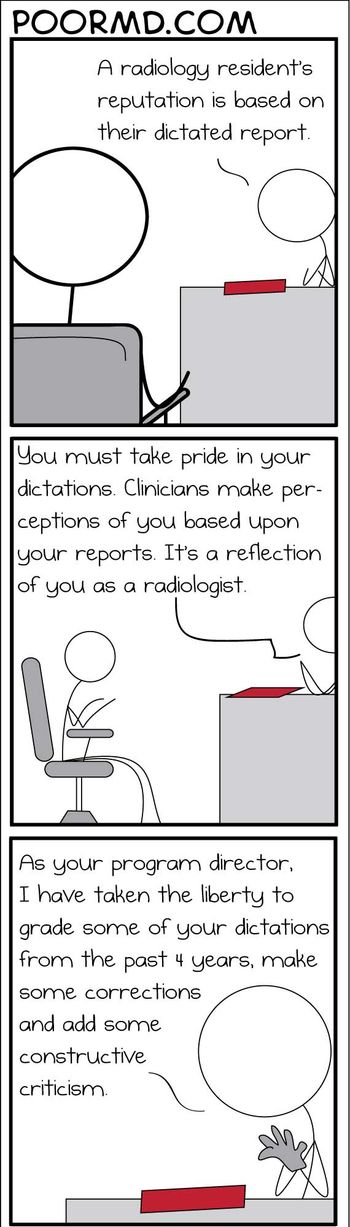
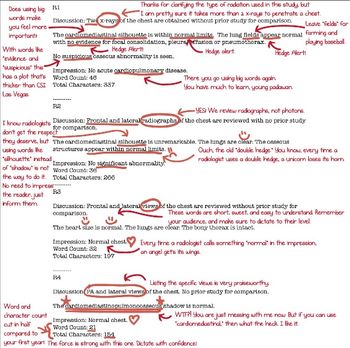
You must take pride in your dictations. Your reports are a reflection of you as a radiologist.

A biophysicist from Lawrence Berkeley National Laboratory is working on technology that could be used to determine each individual patient’s risk when it comes to ionizing radiation.

Randy Hicks, MD, and Carrie Berlin discuss how Regional Medical Imaging successfully met the criteria for the federal government’s meaningful use program, becoming an early adopter among radiology practices.
You don’t need to have had personal experience with voice recognition software to know it’s still a work in progress.
The FDA has approved florbetapir (brand name Amyvid) a radioactive diagnostic agent for use with PET imaging, for the evaluation of Alzheimer’s disease, according to developer Eli Lilly.
The AIM study that found 15 percent to 25 percent of breast cancers are overdiagnosed by mammogram overestimates overdiagosis and draws invalid conclusions, the groups said.

Check out James Chang, MD's latest comic.
The radiology department at the University of Colorado in Denver has developed pocket-sized reference card that provides the effective doses and radiation risks of common adult radiologic exams.
Researchers found little risk for secondary cancers from multi-detector computed tomography among the Medicare population.
Advertisement

Tom Edwards, director of heart and vascular services at Northeast Georgia Health System, discusses why they added imaging equipment to the operating room.
Patients with MS who undergo the minimally invasive endovascular treatment for chronic cerebrospinal venous insufficiency may experience significant symptom relief and short-term improvement in quality of life.

Check out the latest comic from James Chang, MD
Prostatic artery embolization may be an effective treatment for benign prostatic hyperplasia for men who may not be able to undergo transurethral resection of the prostate.
Check out James Chang, MD's latest radiology comic.
Reps. Danny Davis (D, Ill.) and Ralph Hall (R, Texas) introduced the CT Colonography Screening for Colorectal Cancer Act of 2012 on the heels of data showing CTC's effectiveness in seniors.

Diagnostic Imaging recently featured a practice in San Diego that has taken steps to dramatically reduce radiation dose. What steps has your practice taken to lower dose?
Jon Robins, MD, head of Imaging Healthcare Specialists in San Diego, discusses how his practice achieved far lower doses and and the impact the moves have had on the practice.

Osman Ratib, MD, PhD, FAHA, professor and chief of nuclear medicine in the Department of Radiology at the University Hospital of Geneva, discusses the advantages and future of the hybrid PET/MR modality.
Patients whose outside images were imported into their institutions' PACS were significantly less likely to undergo repeat imaging.
As imaging use has increased, so has the need for medical professionals to understand appropriate utilization and possible adverse effects of radiation exposure.
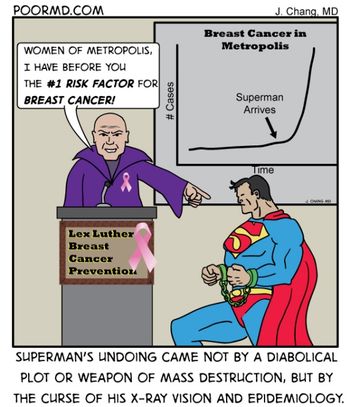
Check out James Chang, MD's latest radiology comic.
After being left out of the first phase of the meaningful use program, medical imaging was included in the proposed Stage 2 rule CMS and the Office of the National Coordinator released last week.
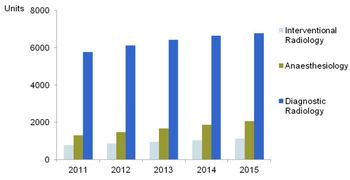
With increasing economic pressures and concern regarding radiation dose, a safer and comparable alternative to CT and X-ray is being sought. Ultrasound may be the answer.
California’s law requiring radiation dose levels be included in CT reports goes into effect this year. Do you think states should require dose levels in radiology reports?
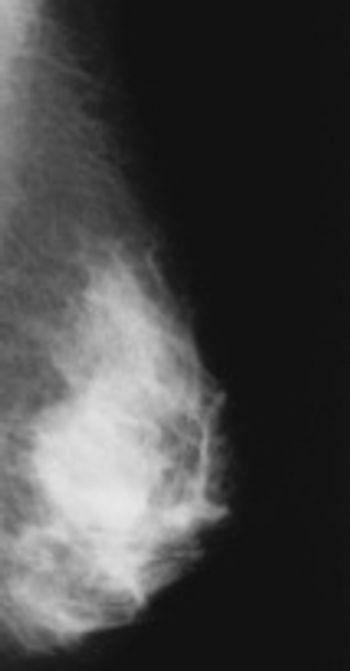
It’s been two years since Connecticut enacted a law requiring providers to tell patients in writing if they have dense breast tissue, and other states are following suit. But practitioners say complying with the law is often complicated.
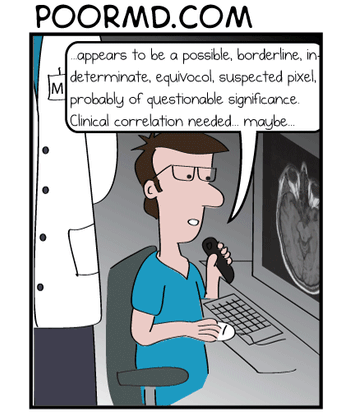
James Chang, MD's latest comic, inspired by Theodore Keats's 2008 column, "Tell it like it is."
Broad adoption of a computerized physician order entry system with imaging decision support showed ability to improve health care delivery.
Starting July 1, diagnostic radiologists in California will be required to include radiation dose levels in all CT reports. Response has been mainly positive, but there are still concerns about the legislation's effect on daily practice.
Advertisement
Advertisement
Trending on Diagnostic Imaging
1
Radiology Reflections on AI, Theranostics and Empowered Patients: An Interview with Phillip Koo, MD
2
FDA Clears CCTA-Based AI Software for Facilitating Management of Coronary Artery Disease
3
FDA Clears Emerging AI Triage Software for Nine Findings on Abdominopelvic CT
4
MRI and PET Imaging Study Suggests Links Between Metabolic Health, Midlife Body Composition and Alzheimer’s Disease
5