















Maximizing Your COVID-19 Recovery, Re-Vamping the Radiology Residency Interview, Cardiac CT's Double Role with Osteoporosis, and the Human Impact of AI.
Maximizing Your COVID-19 Recovery, Re-Vamping the Radiology Residency Interview, Cardiac CT's Double Role with Osteoporosis, and the Human Impact of AI.

University Hospitals Cleveland Medical Center/Case Western Reserve saw a 55-percent overall imaging volume drop during the pandemic and unearthed some commonalities with other, harder-hit areas.
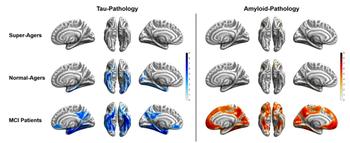
Images reveal older adults with above-average cognitive abilities have a resistance to tau and amyloid proteins.

Using 18F-DCPyL PSMA PET/CT can pinpoint more cancers in men who have biochemical failure with initial treatment.

Quantib AI Node is designed for more rapid processing of CT and MRI scans.
Elad Walach, Aidoc chief executive officer, discusses recent research into global CT imaging volume fluctuations and how providers should view that data.
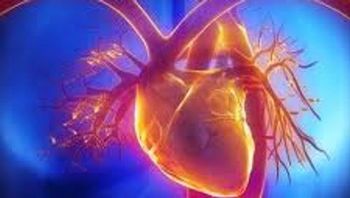
Thoracic vertebrae captured in scans allows for bone mineral density measurements that can pinpoint the presence of osteoporosis.
From February to April 2020, outpatient imaging in rural areas fell 66 percent.
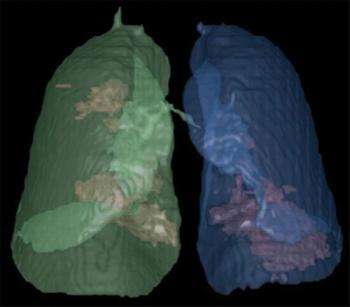
Scans reveal differences in lesion locations, mucoid impaction, and pleural effusion.
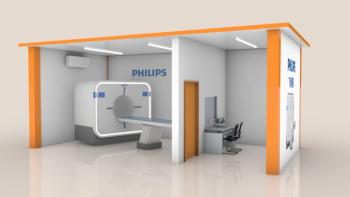
Philips thinks outside-the-box by turning shipping containers into individual CT and X-ray scan rooms.

An existing program set one London hospital up for success in managing images remotely during COVID-19.
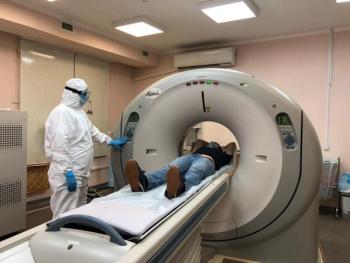
A network of nearly 50 CT facilities and the Moscow government reveal how their collaboration is working to promptly diagnose patients with COVID-19.

Rapid ASPECTS receives clearance as first neuroimaging analysis device in computer-aided diagnostic category.

510(k) clearance applies to four critical abnormalities; two are exclusive to Qure.ai’s product.
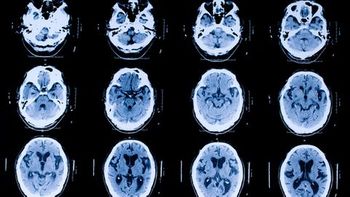
After adjusting for traditional vascular risk factors, radiologists encourage aggressive monitoring of COVID-19 patients for blood flow changes to the brain.
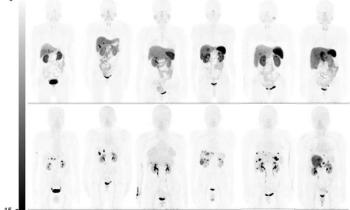
Newly created peptide antagonist outperforms standard agonist imaging agent in head-to-head comparison.

Database intended to be the largest open database of COVID-19-related imaging worldwide.

Diagnostic Imaging Weekly Scan: June 26, 2020
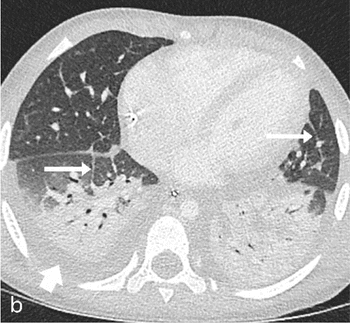
Multisystem Inflammatory Syndrome in Children appearing in pediatric patients with COVID-19 infection and exposure.
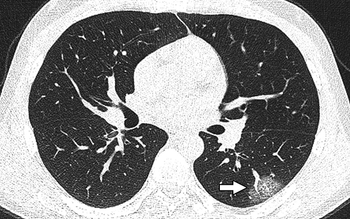
Patients who test negative with RT-PCR show lower levels of pulmonary consolidation on chest CT, indicating earlier disease.

Radiologists using RSNA classification system largely agree on image assessments.
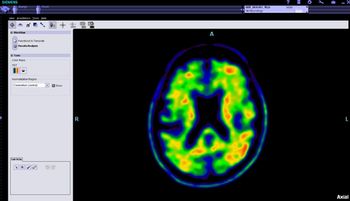
Scans show greater amyloid accumulation in the brains of older adults who get less than six hours sleep nightly.

Cryoablation offers patients with early-stage kidney cancer comparable results to surgery.
UTE-MRI can be a valuable alternative in situations where repeated radiation exposure is of concern.

Johns Hopkins Medicine researchers see “untapped potential” for artificial intelligence tools.