

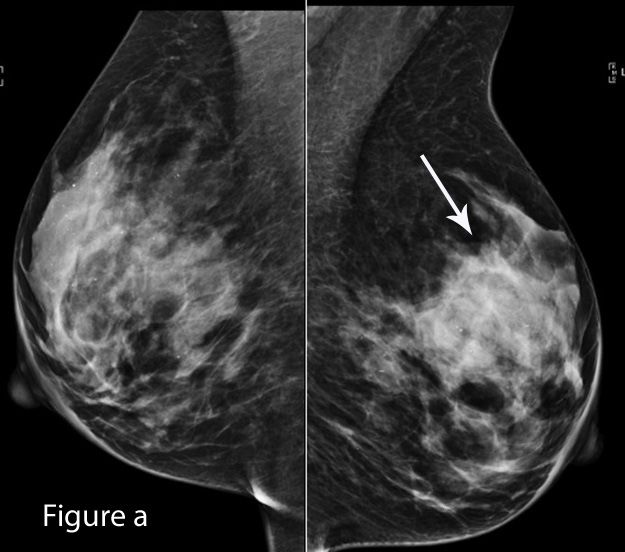












Breast density can be measured using fully automated volumetric methods, which are less labor intensive than the commonly used methods.
Breast density can be measured using fully automated volumetric methods, which are less labor intensive than the commonly used methods.

Where did tomosynthesis come from and where is it going? Here, a tomosynthesis pioneer discusses its evolution.

Breast-imaging radiologists are at a higher risk for developing repetitive stress injuries, particularly after implementation of PACS.

Access to imaging, particularly MRI and some forms of CT, vary considerably across the United States.

Based on a true story: the radiologists never saw it coming.

An argument that Moore’s law is at work in medical imaging.

The reason for performing a breast MRI should be taken into consideration when assessing performance measures.

GE’s SenoClaire breast tomosynthesis solution will join Hologic, the only other vendor with FDA approval for 3D mammography.
Mammograms of dense breast tissue are read in a different way than mammograms of less dense breast tissue.
Magnetic resonance imaging detected additional cancers among women who underwent breast conservation therapy following early diagnosis of breast cancer.
There is a need for radiologists to educate the public about why mammography isn’t always a lifesaver, according to experts at AHRA.
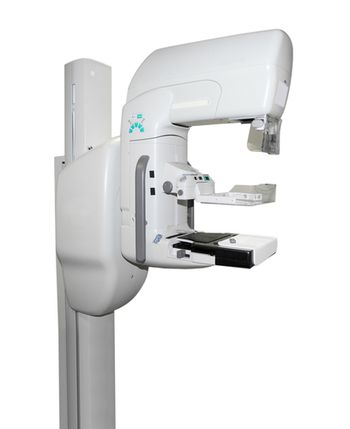
Mammography detects early cancers in older women and provides better disease-specific survival than cancers discovered by the patient or physician.
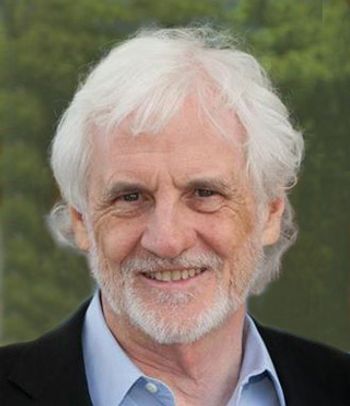
Long-time proponent of ultrasound for breast screening, Kevin M. Kelly, MD, discusses what radiologists need to know.
The type of imaging processing used in digital mammography has an impact on detection of calcification clusters.

Federal standard would require women be informed if they have dense breast tissue as indicated on mammogram.
Magnetic resonance images reveal characteristics of breast cancer can differ depending on age.
Analyzing whether rising costs of early breast cancer screening, like mammography, lead to better detection rates.

For the most part, women who undergo image-guided core-needle breast biopsies experience minimal pain.
Tomosynthesis provides better visualization of architectural distortion than mammography.
Study tackles why women with most treatable form of breast cancer pursue most aggressive prophylactic measures; MRI false-positives have no effect.
Q and A: Hologic may be getting competition as Siemens seeks premarket approval from the FDA for their breast tomosynthesis option in the U.S.
Combining MRI and mammography in an organized breast screening program for high-risk women is effective.
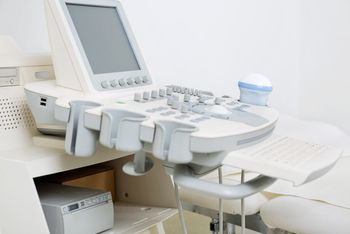
Screening ultrasounds plus mammography may find more cancers in women who have breast dense tissue.
Fujifulm’s Aspire Cristalle digital mammography solution received FDA clearance yesterday and includes features promoting patient comfort and image quality.