











Radiologists need to prepare for screening asymptomatic patients.
Radiologists need to prepare for screening asymptomatic patients.
We've stumped you before, so give them another try: our 5 hardest Image IQs.

Cancer screening is a good thing, say people in the UK, but fewer than half understand associated risks to screening like mammography.

The FDA has approved the first cone beam CT for diagnostic imaging of the breast, according to Koning Corporation.
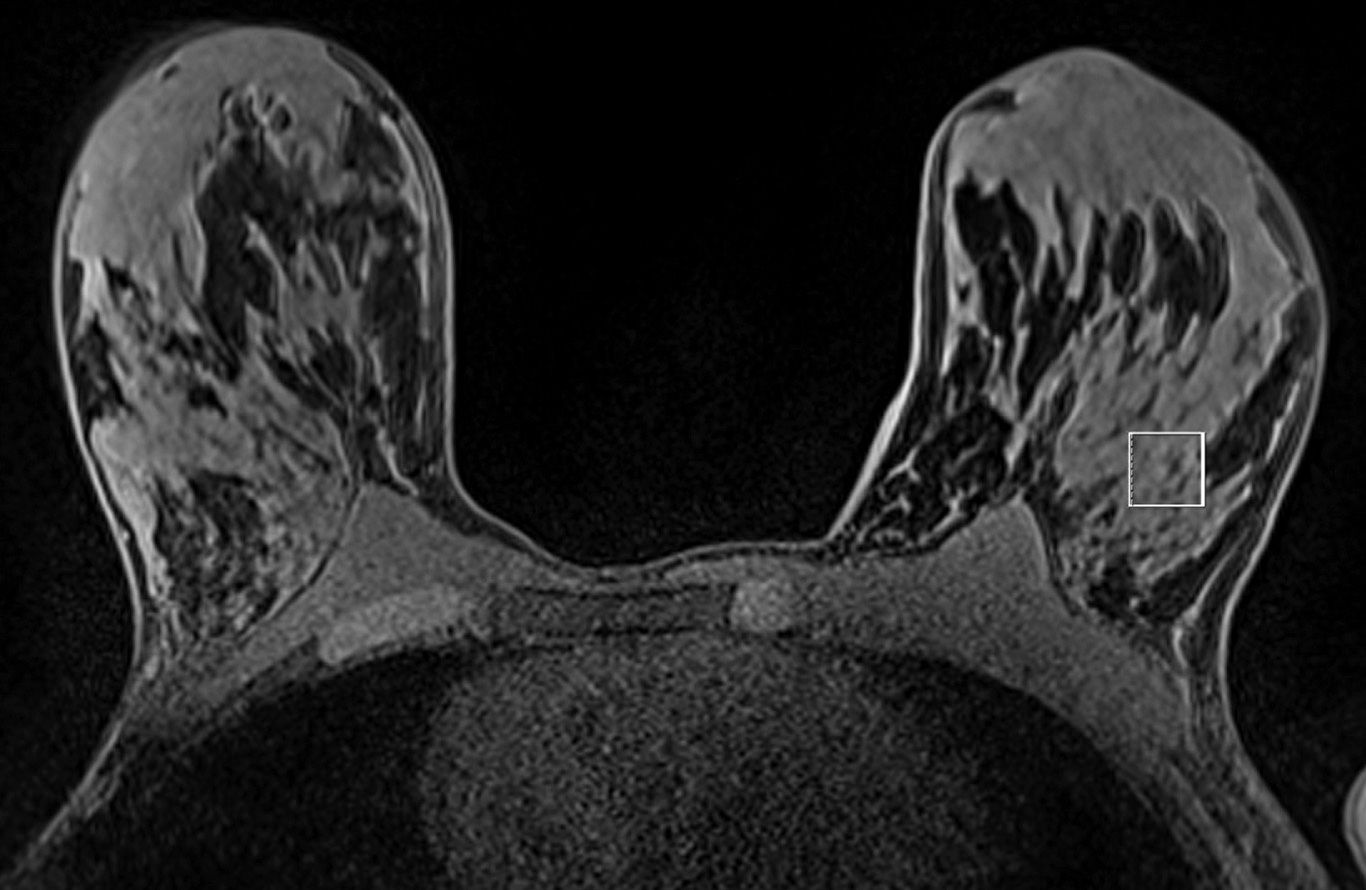
Women who have E3 and E4 extramammary findings from breast MRI should undergo additional imaging.
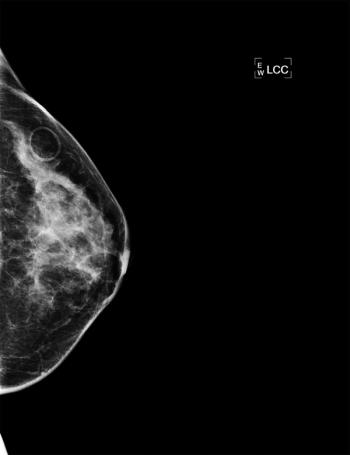
52-year-old asymptomatic female with family history of breast cancer presents for annual mammogram.
Almost half of primary care physicians in California are unaware of the state’s Breast Density Notification Law, which was enacted in 2013.
Physicians continue to perform imaging on asymptomatic patients with early-stage breast cancer, despite ASCO 2012 recommendations against it.
Breast density notification legislation has amped up the discussion about breast cancer screening but may be delivering mixed messages.
Adding ultrasound and/or tomosynthesis to digital mammography increases cancer detection.
Information on Ohio's proposed breast density notification legislation.
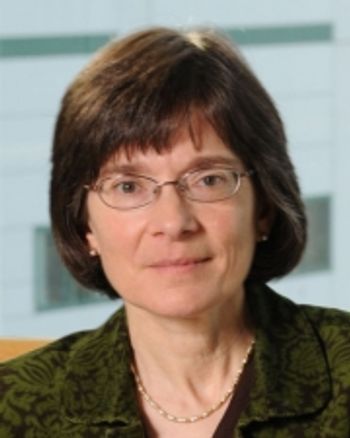
Routinely adding ultrasound to screening for breast cancer for women with dense breasts is not cost-effective.
Screening mammography image readings by radiologists are influenced by individual technologists.

In a changing landscape, radiologists’ relationships with technologists, referring physicians, and patients need to change.
Mammography done on a risk-based approach among women in their forties misses a significant number of cancers, of which many are invasive.
Mammograms with less pressure do not compromise radiation dose or image quality.
Volpara to present at RSNA 2014 next generation of VolparaAnalytics.
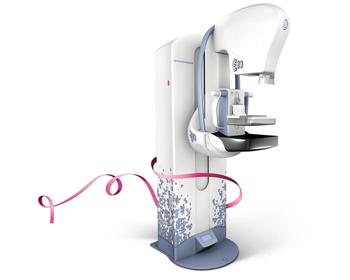
GE will demonstrate at RSNA 2014 its newly FDA-approved tomosynthesis solution.
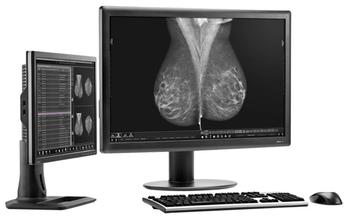
Three Palm Software will reveal at RSNA 2014 an updated WorkstationOne, its breast imaging workstation.
Vendors reveal what products they are most excited about showcasing at RSNA 2014.

MammoCoach will debut at RSNA 2014 an online teaching product for screening mammography.
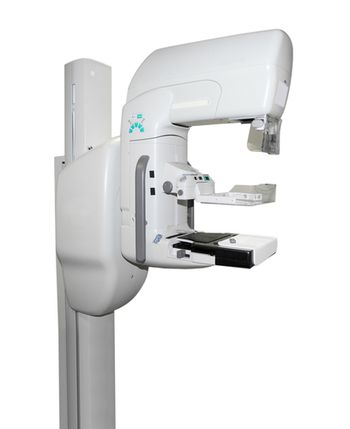
Women should not worry that regular screening mammograms would increase their risk of radiation-induced breast cancer.
Radiologists can improve their screening of mammograms if they perform the diagnostic screening on cases that they have recalled.
Attempts at determining imaging efficiency identifies hospitals with inefficient practices but not hospitals that are doing well.
Mammography plus automated breast ultrasonography detects more cancer in women with dense breast tissue.