




Ultrasound
Latest News
Advertisement
Latest Videos

Shorts

0:39
A 'Wake-Up Call' for BI-RADS 3 Audits
22 days ago
by
Stamatia Destounis, MD, FACR

0:42
The Advantages of Automated Breast Ultrasound: What New Multicenter Research Reveals
3 months ago
by
Manisha Bahl, MD
0:45
Emphasizing the Evidence on Supplemental Imaging in Women with Dense Breasts
5 months ago
by
Wendie Berg, MD, PhD
0:42
Can Breast Ultrasound AI Help Reduce Benign Biopsies?
5 months ago
by
Manisha Bahl, MD
0:57
Can AI Improve Efficiency with Reporting for Echocardiography Assessments?
6 months ago
by
Lior Fisher, MD
0:52
Where Things Stand with the Find It Early Act
8 months ago
by
Amy Patel, MD
Podcasts







Advertisement
More News
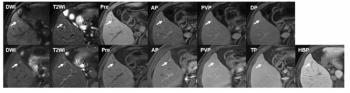
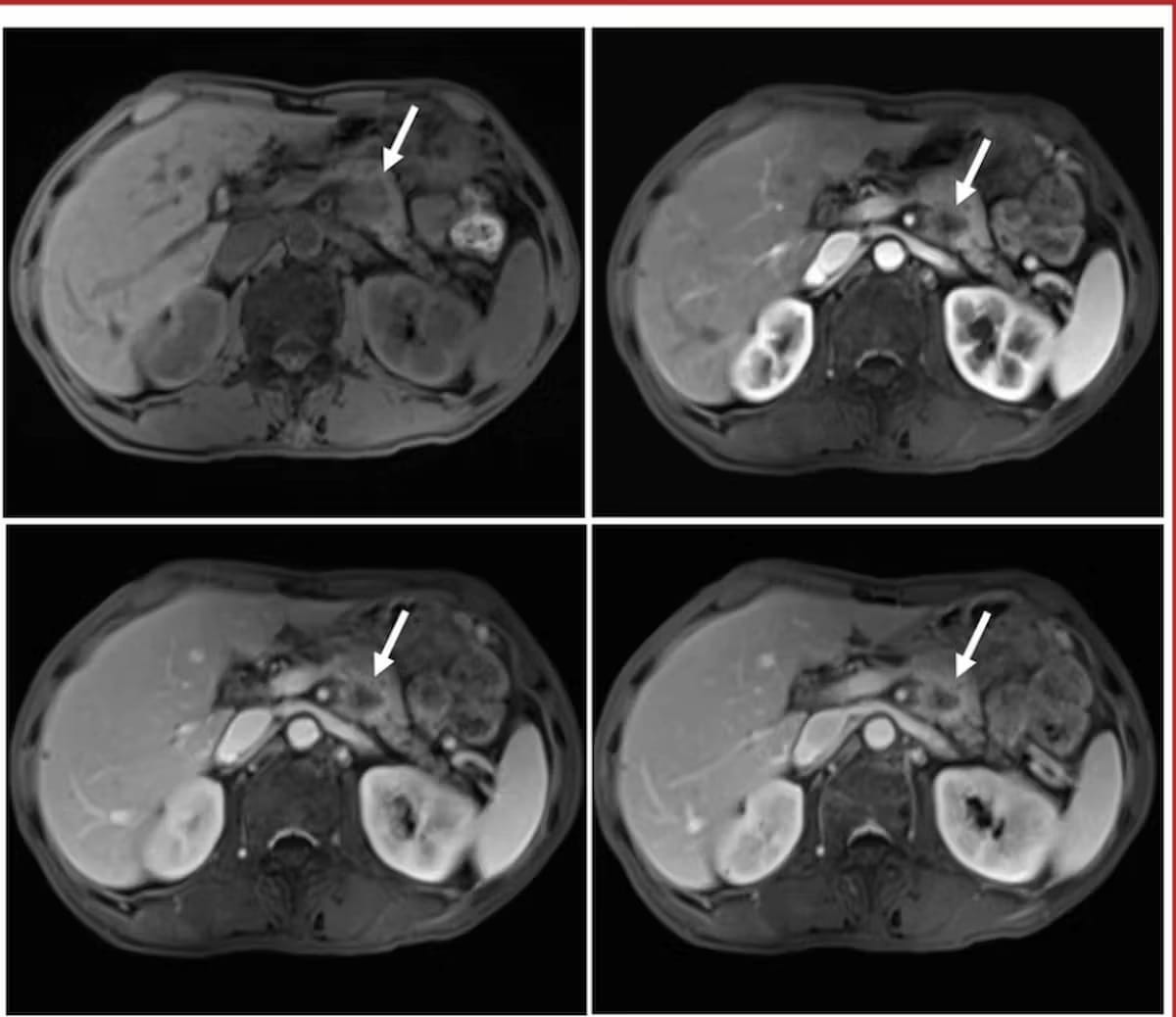
New research revealed that risk-stratified MRI surveillance in patients with cirrhosis led to over a 10 percent increase in early detection and over a 44 percent decrease in surveillance exams in comparison to reported results with semiannual ultrasound monitoring.

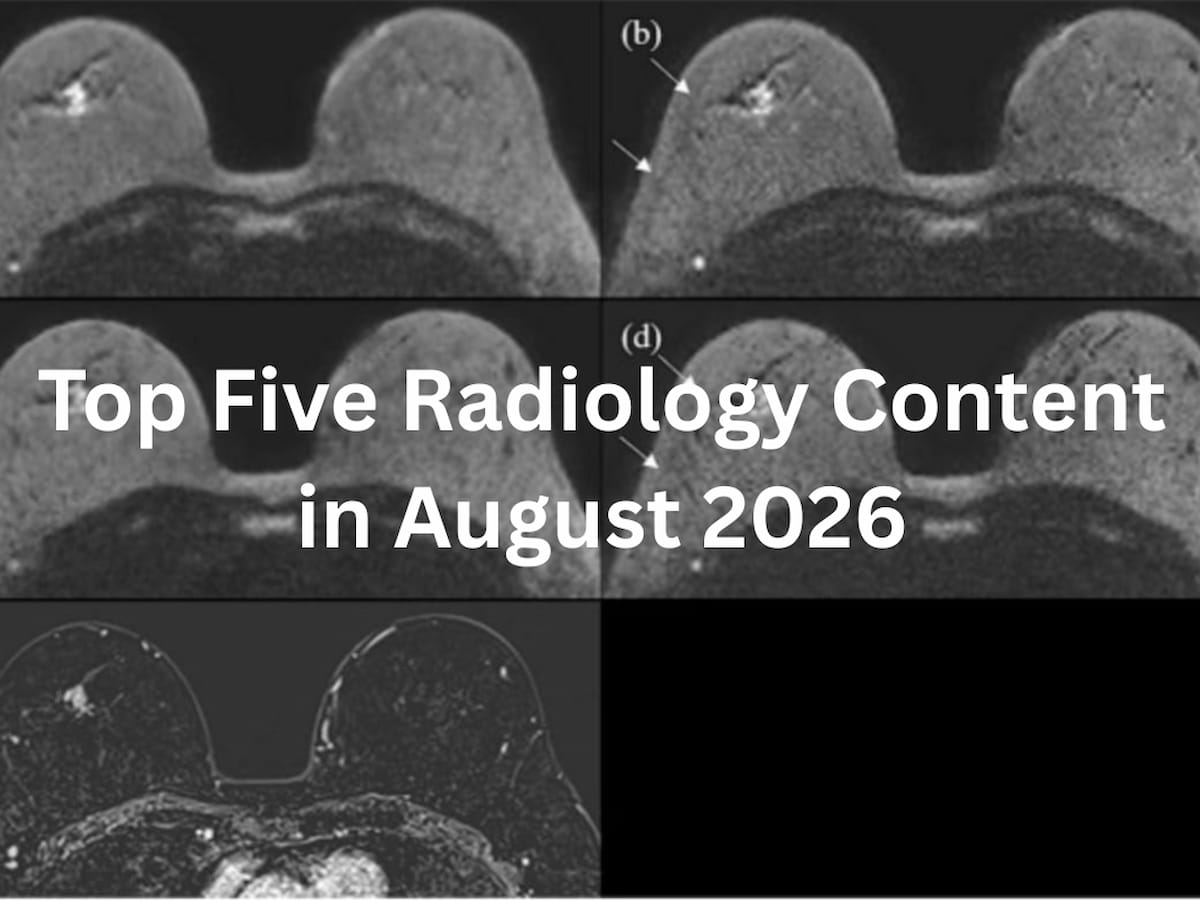
Catch up on the top radiology content of the past week.

Catch up on the latest episodes of our Breast Imaging in Focus series with Manisha Bahl, MD, MPH, FSBI, discussing research on a variety of topics including breast arterial calcification on mammograms, automated breast ultrasound, AI and GLP-1 receptor agonists.
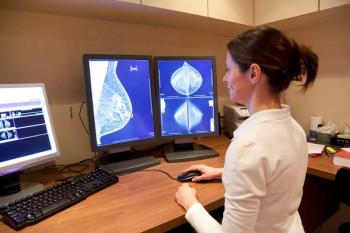
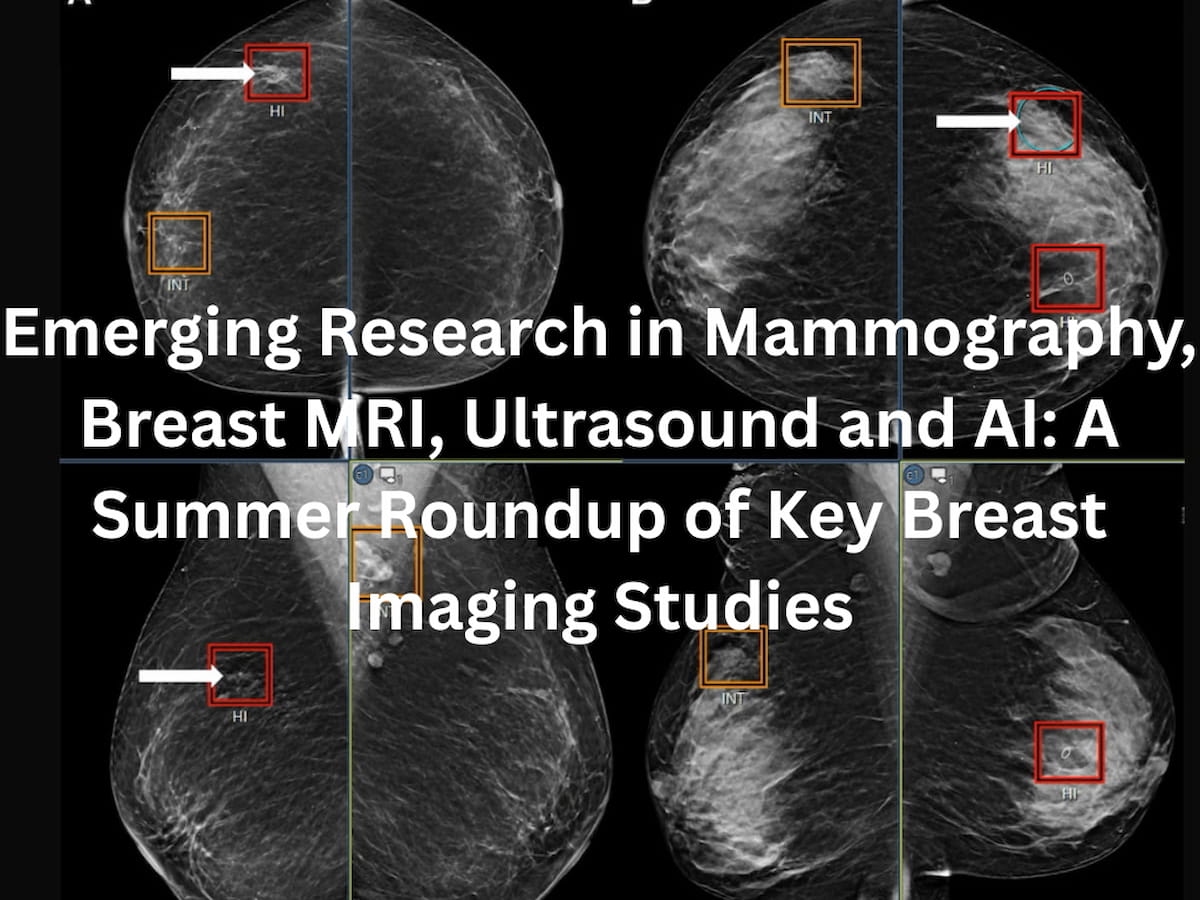
In a recently published review of the BI-RADS v2025 manual, leading breast radiologists offered pertinent insights on key changes for reporting of mammogram, breast ultrasound and breast MRI interpretation and assessment.
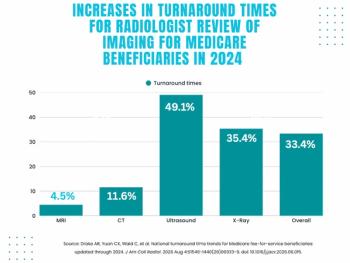
In comparison to 2023 statistics, the authors of a new study noted an approximately 49 percent increase in radiology turnaround time for ultrasound interpretation and over a 35 percent increase in turnaround time for X-ray assessments.

Catch up on the top AI-related news and research in radiology over the past month.
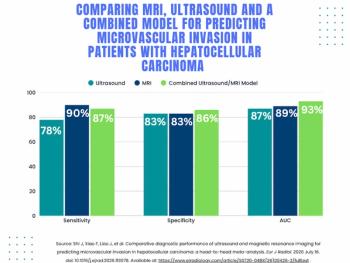
A model combining MRI and ultrasound findings yielded a 93 percent AUC for predicting microvascular invasion in hepatocellular carcinoma.
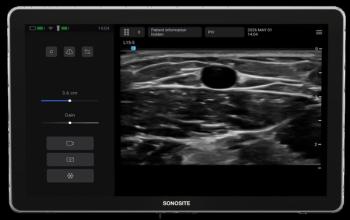
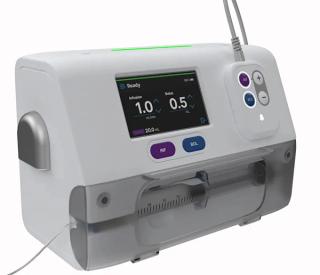
The updated Sonosite iLOOK ultrasound reportedly offers a variety of features designed to streamline the use of point-of-care ultrasound for vascular access procedures.

Can the newly launched MIM Anyware platform bolster imaging access and multidisciplinary collaboration?
In the latest episode of her “Breast Imaging in Focus” series, Manisha Bahl, MD, MPH, FSBI, discusses new research examining the utility of automated breast ultrasound in supplemental screening for women with dense breasts.
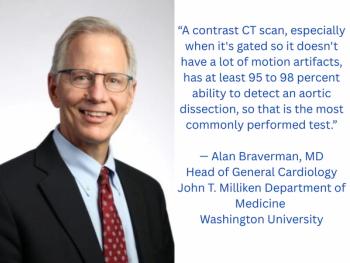
In light of the recent death of Sen. Lindsey Graham from aortic dissection, we highlight pertinent diagnostic principles and key imaging findings for the timely detection of aortic dissection, a topic that Alan Braverman, MD, FACC, discussed in an interview with Diagnostic Imaging.
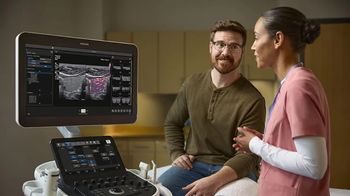
The Alturion ultrasound device reportedly combines portability, AI-enhanced capabilities and a user-friendly interface to facilitate streamlined workflows.
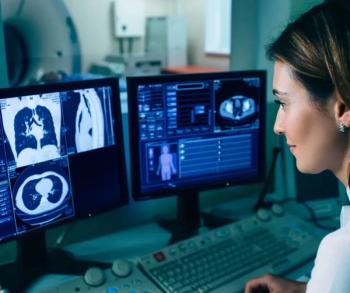
In an amusing take on the subject, this author suggests that having a colleague with dedicated expertise in curtailing unnecessary imaging requests could have an impact in reducing burgeoning worklists.
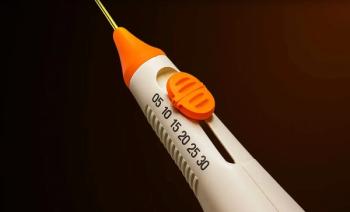
The Star RF Electrode and VIVA RF Electrode are reportedly the first devices to garner a specific cleared indication for benign thyroid nodule ablation.
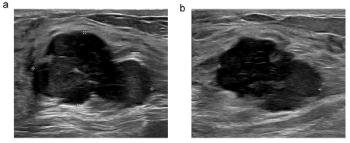
While use of an AI software demonstrated significantly higher accuracy in evaluating BI-RADS 2 presentations and no significant difference with radiologists in BI-RADS 4 assessments of breast ultrasound in a sub-analysis, researchers noted the exclusion of galactoceles, fluid collections and skin lesions that are commonly found in pregnant and lactating women.
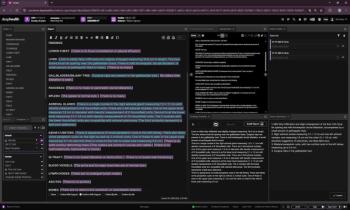
The Reporting Pro software reportedly offers an array of AI-enabled features that may help streamline radiology reports.
Catch up on a variety of new FDA clearances in radiology from the past week.
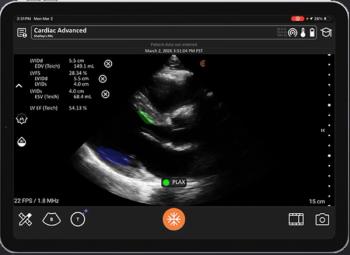
Reportedly trained on thousands of cardiac ultrasound images, the Ejection Fraction (EF) AI tool provides automated measurement of left ventricular ejection fraction (LVEF) in seconds.
The AI-powered Elevate Plus reportedly facilitates standardization of routine ultrasound, improves scan time and bolsters image quality.
Catch up on the most-well viewed radiology content in May 2026.
Catch up on the top radiology content of the past week.
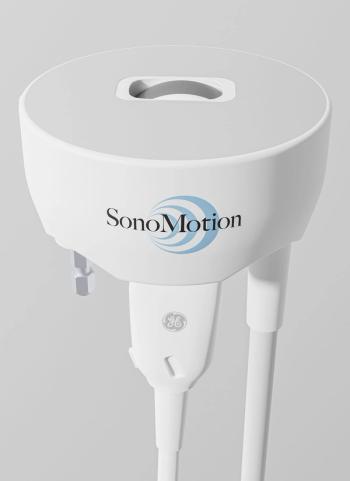
The updated Break Wave lithotripsy device for kidney stone treatment reportedly has ultrasound therapy probes with a 31 percent smaller footprint.
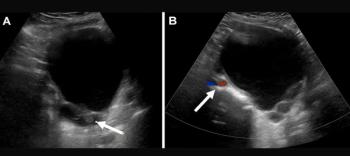
Cystadenomas and cystadenofibromas accounted for 46 percent of benign lesions initially scored as O-RADS 4 and 5 lesions on pelvic ultrasound, according to newly published research.

Recent research demonstrated that non-physician operators with brief training on the Accuro XV ultrasound system had a greater than 90 percent rate for obtaining diagnostically adequate images.

Catch up on the most well-viewed video interviews from Diagnostic Imaging in April 2026.
Advertisement
Advertisement
Trending on Diagnostic Imaging
1
Diagnostic Imaging's Weekly Scan: September 27 — October 3
2
The Reading Room Podcast: Current Perspectives, Challenges and Possibilities with AI in Breast Imaging, Part 2
3
Security: A Way to Be Safe and Unproductive in Radiology
4
Emerging Research Insights and New Advances in Neuroradiology
5