
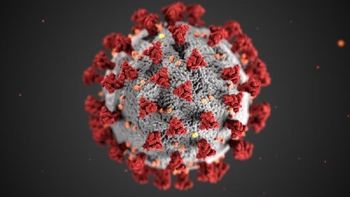
The University of Washington saw the first COVID-19 cases, now they have designed a plan for re-emerging.
Whitney J. Palmer has been with Diagnostic Imaging since 2011, serving as the Senior Editor since November 2019. She has 20 years experience in healthcare and academic medicine reporting.
The University of Washington saw the first COVID-19 cases, now they have designed a plan for re-emerging.
Plans for the Radiological Society of North America annual meeting changed for only third time in Society history.
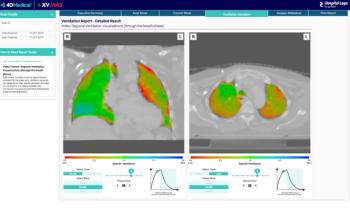
4D lung imaging process quickly analyzes lung impairments from single X-ray.
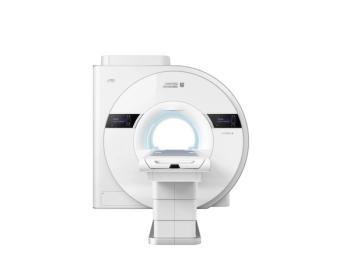
MRI with 75-cm core increases patient access and offers more services.
Advanced imaging techniques are being used to pinpoint antibodies that could lead to preventive treatment.
Radiology department staff have the ability – and responsibility – to calm patient anxieties about imaging studies and the virus during the pandemic, says one radiology supervisor.

Software supports CT and X-ray chest imaging.
Half of patients hospitalized who have neurological findings for acute stroke could die.
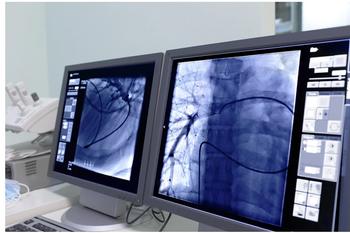
How one large academic medical center quickly pivoted to keep radiologists safe.
Diagnostic Imaging's Weekly Scan: May 22, 2020
Research reveals lung findings not typically associated with viral pneumonia.
Diagnostic Imaging poses five questions about recent COVID-19 and neurological research to UCSF Radiology Chair Christopher Hess, M.D.
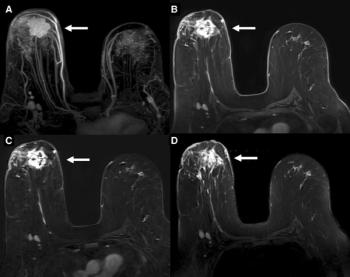
Diagnostic Imaging talks with Laura Heacock, M.D., from NYU Langone Health about what’s keeping abbreviated MRI from wider implementation.
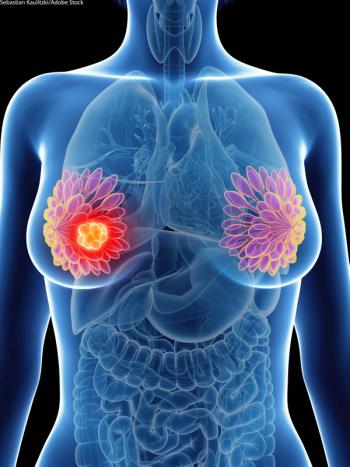
Existing protocol to re-assess women after six months is appropriate; imaging can identify cancers that have spread to lymph nodes.
Results show COVID-19-positive patients with BMI greater than 30 are at significantly higher PE risk.

The industry is among the top five for salary and physician satisfaction.
Diagnostic Imaging's Weekly Scan: May 15, 2020
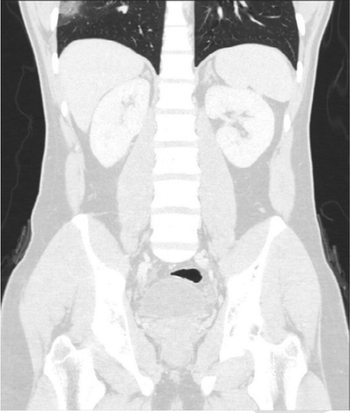
Radiologists must continue to be aware that patients obtaining scans for non-respiratory symptoms could still present findings of COVID-19.

Researchers identify 18F-PMSA-1007 as an equally effective radiopharmaceutical for detecting prostate cancer.
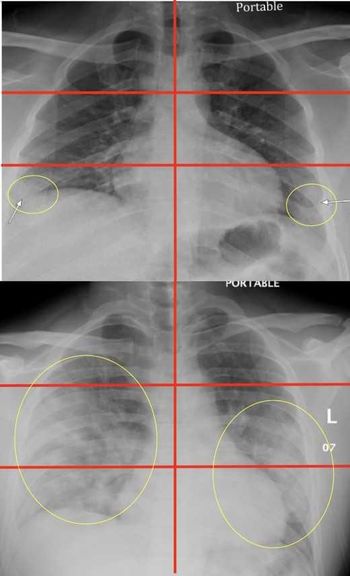
X-ray classification system developed at Mount Sinai can help identify patients who will most likely need hospitalization and intubation.

Clearance allows for applications for lung and cardiac complications.
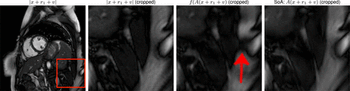
Algorithms can create errors in multiple imaging systems, according to new tests.
Adhering to a policy of using lung ultrasound as an initial scan reduced the use of other imaging options.
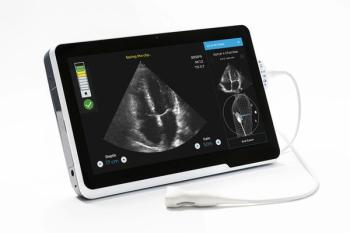
AI-guided imaging supports assessment of cardiac function and reduces personnel COVID-19 exposure.
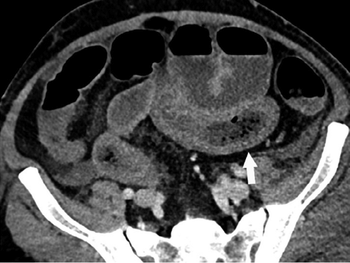
Affected patients were sicker and more likely to be admitted to the ICU.
Expect school closures to affect radiologist availability, and create a plan that protects patients and providers.
Study finds risk reduction attributed to screening efforts, not advanced therapies.
Concentration on virus-related scans largely sidelines other imaging needs.
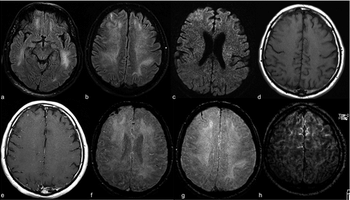
Multiple brain regions and cerebral spinal fluid can be affected.
Deep-learning model outperformed neuroradiologists in predicting risk for disease development.