
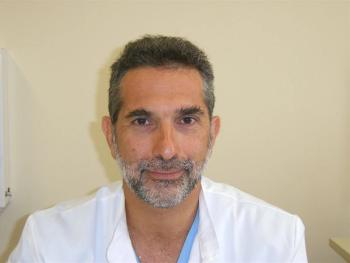
Diagnostic Imaging Europe has a new editorial advisor in Greece. Dr. Elias N. Brountzos is head of interventional radiology at Attikon University Hospital in Athens.
Diagnostic Imaging Europe has a new editorial advisor in Greece. Dr. Elias N. Brountzos is head of interventional radiology at Attikon University Hospital in Athens.

Recently, my fellow first year residents and I met to put together our study schedule for the upcoming American Board of Radiology physics exam in September 2010.
There has been considerable debate concerning President Obama’s healthcare reform initiative despite widespread agreement the U.S. healthcare system is in need of a significant and comprehensive overhaul.
The adoption of digital technologies and IT in healthcare, and the consequent growth in the volume of patient data, presents hospitals with significant challenges in terms of data storage and obsolescence management.
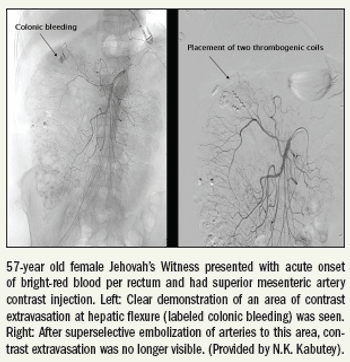
Radiologists from Boston Medical Center are using interventional techniques to treat bleeding Jehovah's Witness patients.
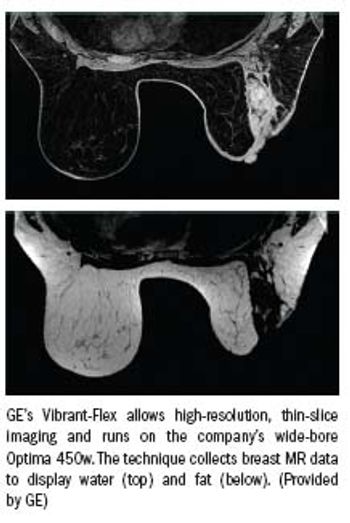
Siemens brought two blockbuster MR offerings to the 2009 RSNA meeting: the 3T Skyra and 1.5T Aera
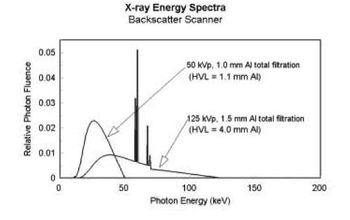
Airport X-ray backscatter machines exposing adults, pregnant women, and children to radiation without knowing the effects for 20 years.
There seems no end to the bashing. But from radiology’s perspective, Apple’s soon-to-be-released iPad could be huge, potentially serving as the first truly mobile device to support medical visualization.
Fuji touts computed radiography, VisEn Medical lights up with fluorescent imaging, and Varian grows in China.
In this article, I will introduce you to five easy ways to dive deeper into Web 2.0’s array of social networking tools. There are numerous websites and ways to get started.
The Internet is evolving rapidly. Each exciting step in the development of the web has fostered greater connectivity and interactivity. It is now alive with numerous “social media” websites, including specific websites for networking, blogs, and media sharing. We can now actually do more than just read websites. We can interact online not only with content, but also with other people.
In news from the nuclear medicine front, there’s a new twist in the technetium situation and equipment sales look to boom in Europe over the next decade.
Knee osteoarthritis progression can be predicted by MRI findings of medial collateral ligament edema, bone marrow lesions, and being female, according to a study presented at the RSNA meeting.
CT colonography can pinpoint cancerous colorectal segments more accurately than colonoscopy, according to Italian investigators.
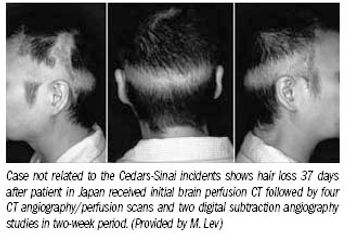
In the aftermath of CT-related radiation accidents at the prestigious Cedars-Sinai Medical Center in Los Angeles, the FDA, healthcare providers, and manufacturers are taking action to avoid suffering through similar situations themselves.
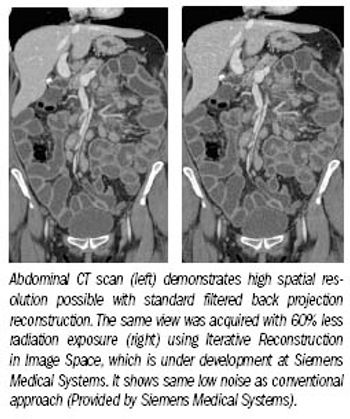
CT vendors have responded to public concerns about radiation dose with innovations that promise to cut patient exposure substantially without affecting imaging service operations.
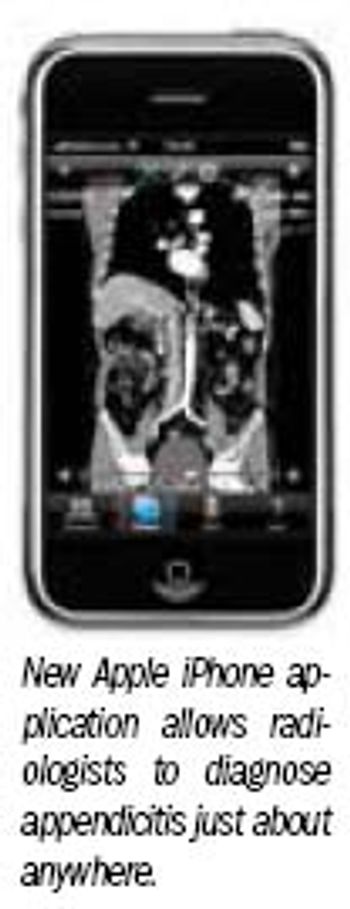
If you want to diagnose appendicitis, there's an app for that.
In an elaborate corporate quadrille, partnerships are formed, licenses bought, and subsidiaries acquired. Meanwhile executives move into and out of their positions.
CMS’s recently proposed regulations on “meaningful use” and electronic health record certification present both opportunities and challenges for the radiology market.
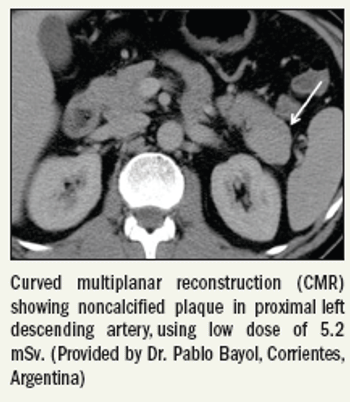
Electrocardiogram-gated tube modulation is essential to lower radiation dose in fusion imaging.

The RSNA’s supremely well-oiled, amply resourced bureaucratic machine spewed out the audited attendance figures this week for its 2009 congress, and they are definitely worth a second look.
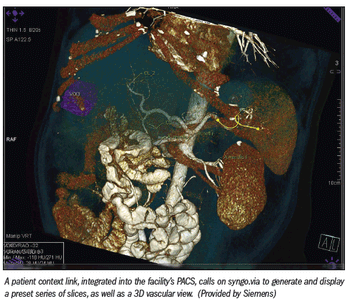
At least some of the tedium that goes with preparing imaging studies may be pushed into the background, and new capabilities brought to the fore, with the rollout this month of Siemens’ syngo.via
Since the attempted explosion of an airliner as it was landing in Detroit on Christmas Day by an alleged terrorist from Nigeria, global air safety experts have been scrambling to enact new safety measures. A quick answer has come in the form of whole-body scanners that use low-level radiation to allow screeners to see through clothing to identify hidden weapons or explosives.
The Center for Medicare and Medicaid Services (CMS) just released proposed rules for "meaningful use" of electronic medical records. Radiologists who can prove they are making "meaningful use" of certified electronic records are eligible for $44,000 in Medicare incentives starting in 2011. That's per physician.
Ultrasound elastography may be the link bridging the gap between suspicion and definitive proof, a noninvasive means to distinguish between benign and malignant tissue. The technology for doing so appeared some years ago at the annual meeting of the RSNA as an experimental curiosity. It’s been evolving since then until it appears now to have reached a clinical tipping point.
CT is one of the most important of the noninvasive imaging modalities, providing 3D representations of the x-ray attenuation coefficient with submillimeter spatial resolution.
Interventional radiologists should refrain from performing either kyphoplasty or vertebroplasty unless the procedure, intended mostly for the management of pain from vertebral compression fractures, is done in the context of clinical trials.
A group of radiologists from Boston Medical Center is using interventional techniques to treat bleeding Jehovah’s Witness patients.
Interest in computed and digital radiography was booming among vendors at RSNA 2009, as traditional providers of turnkey systems and components showed portfolios designed to appeal to cost-conscious buyers.
Concerns about the potential adverse reactions of patients to iodinated and gadolinium-based contrast agents used with CT and MRI may be more perceived than real, according to Mayo Clinic researchers.