












SPECT/CT scan can help detect positive sentinel lymph nodes and lead to higher rate of disease-free survival among patients with melanoma.
SPECT/CT scan can help detect positive sentinel lymph nodes and lead to higher rate of disease-free survival among patients with melanoma.
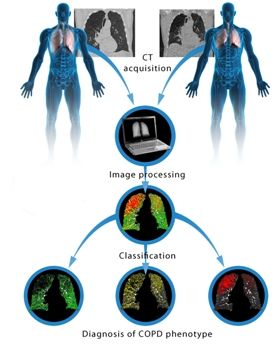
CT imaging can identify pulmonary artery enlargement, which is associated with exacerbation of chronic obstructive pulmonary disease (COPD).
Non-invasive fractional flow reserve plus CT is superior to CT alone for diagnosing significant coronary artery disease among stable patients.
Computed tomography imaging performed with an ultra-fast 320-detector scanner accurately assesses the need for cardiac angioplasty.
CT radiation doses for urolithiasis reduced with adaptive statistical iterative reconstruction allows for effective evaluation without affecting image quality.
Applying a systematic continuous quality improvement program can significantly reduce the number of inappropriately recommended coronary CT angiography exams.
White children at low risk for brain injury are more likely to receive CT scans in the emergency room - often because of parental anxiety or request.
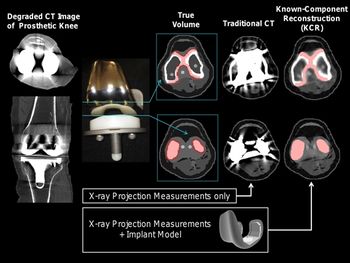
A new CT technique called known component reconstruction could produce improved images of joint replacements and lower dose exposure.
Adding coronary CT angiography to the evaluation of low-risk patients presenting to the emergency department with chest pain reduced hospital stay.
The American College of Radiology and the Colon Cancer Alliance call on Congress to pass HR 4165, which would cover CT colonography screening under Medicare.
CT colonography screening compliance could be increased by 15 percent if covered by Medicare or third-party payers.
Radiologists using an automated lung nodule matching program significantly improved diagnostic efficiency.
Lung cancer screening guidelines should be expanded, according to a multispecialty task force established by the American Association for Thoracic Surgery.
Acquiring refurbished imaging machines is a growing trend as practices grapple with decreasing reimbursement or consider the possibility of future consolidations.
Clinicians at Mount Sinai in New York are the first in the state to use a recently FDA-approved PET technique with florbetapir to detect Alzheimer’s disease.
The FDA cleared Siemens’ 128-slice CT scanner designed as a budget-conscious option for community and critical access hospitals and outpatient centers.
PET imaging has demonstrated an unexpected link between low dopamine levels and aggression in young healthy adults.
The RADIANCE Toolkit, an open-source program developed by Tessa Cook, MD, PhD, and colleagues allows facilities to create customized dosing tables and reports.
Nearly 94 percent of patients who undergo CT of the abdomen and pelvis in the emergency department are clinically complex.
Low-dose CT screening for patients at high risk of lung cancer can find smaller nodules than X-ray, but concern remains about potential harm from the test.
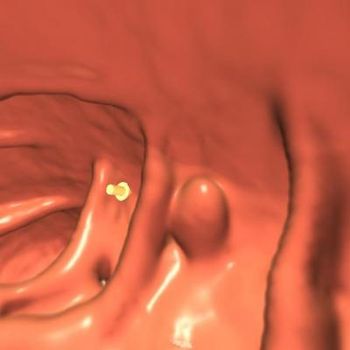
A no-prep virtual colonoscopy appears to be as effective as a standard colonoscopy in detecting larger polyps that are more likely to become cancers.
Children’s hospitals use dedicated pediatric technologists and more closely follow protocols, resulting in dramatically lower radiation doses. Adult hospitals must take greater care in monitoring dose. Here’s how.
Electronic medical records can track radiation exposure and reduce unnecessary CT scans in emergency room patients with abdominal pain.
New diagnostic agents for use with PET imaging are improving identification of beta-amyloid, the brain plaque associated with Alzheimer’s disease. But there are some concerns about training to accurately read these studies.
SPECT/CT, commonly used for imaging thyroid cancer after radioiodine therapy, was used before therapy to better identify and characterize the cancer.