



Oncology MRI
Latest News
Advertisement
Latest Videos



Advertisement
More News
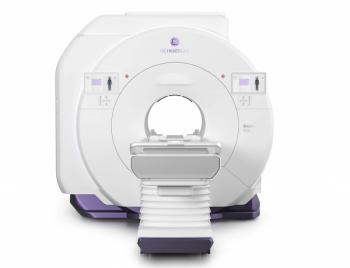
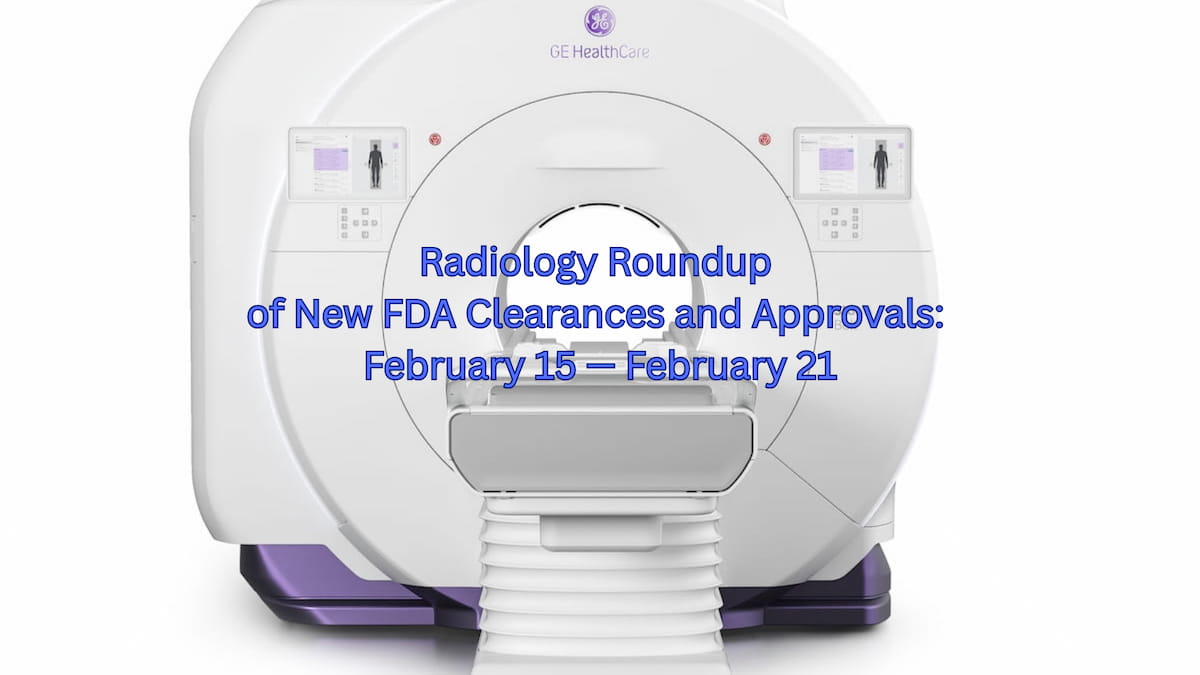
The FDA clearances include the 1.5T SIGNA Sprint with Freelium MRI platform, the 3T SIGNA Bolt MRI system and the AI-powered SIGNA One, which reportedly enhances MRI workflow efficiencies.
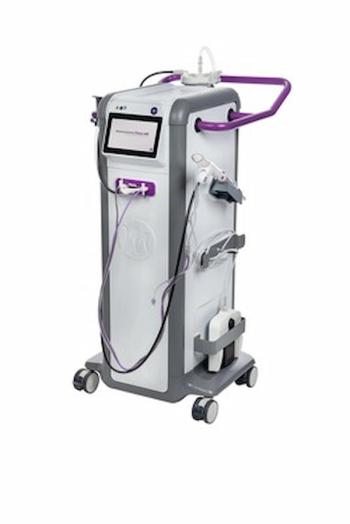
The Mammotome Prima™ MR Dual Vacuum-Assisted Breast Biopsy System reportedly enables larger tissue samples and facilitates more efficiency in procedure setup and cleanup with 75 percent less tubing in comparison to other systems.
In a recent interview, Benjamin Kann, M.D., discussed new research highlighting the capability of an AI foundation model to obtain a variety of diagnostic and prognostic data from brain MRI scans.
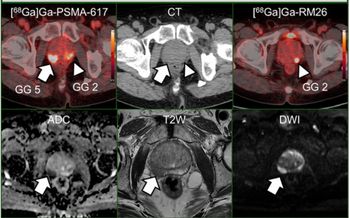
Researchers found that PSMA PET/CT offered 18 percent higher accuracy than mpMRI in detecting bilateral intraprostatic disease, according to a new study involving patients with intermediate or high-risk prostate cancer.
Catch up on the top radiology content of the past week.
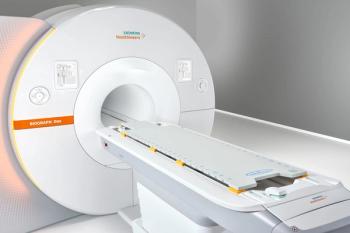
The Biograph One PET/MRI system may facilitate accelerated scan times, improved visualization and more efficient assessments of theranostic approaches for patients with oncologic and neurological diseases.
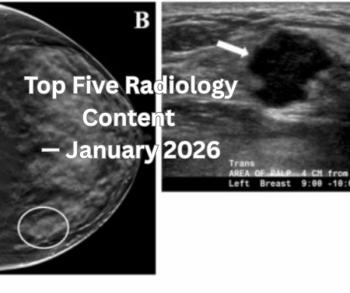
Catch up on the most-well viewed radiology content in January 2026.
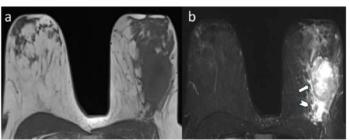
For young women with breast cancer, peritumoral edema on pre-op breast MRI was associated with over a 3.6-fold higher likelihood for reduced disease-free survival, according to new research.
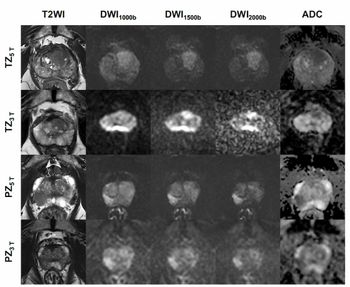
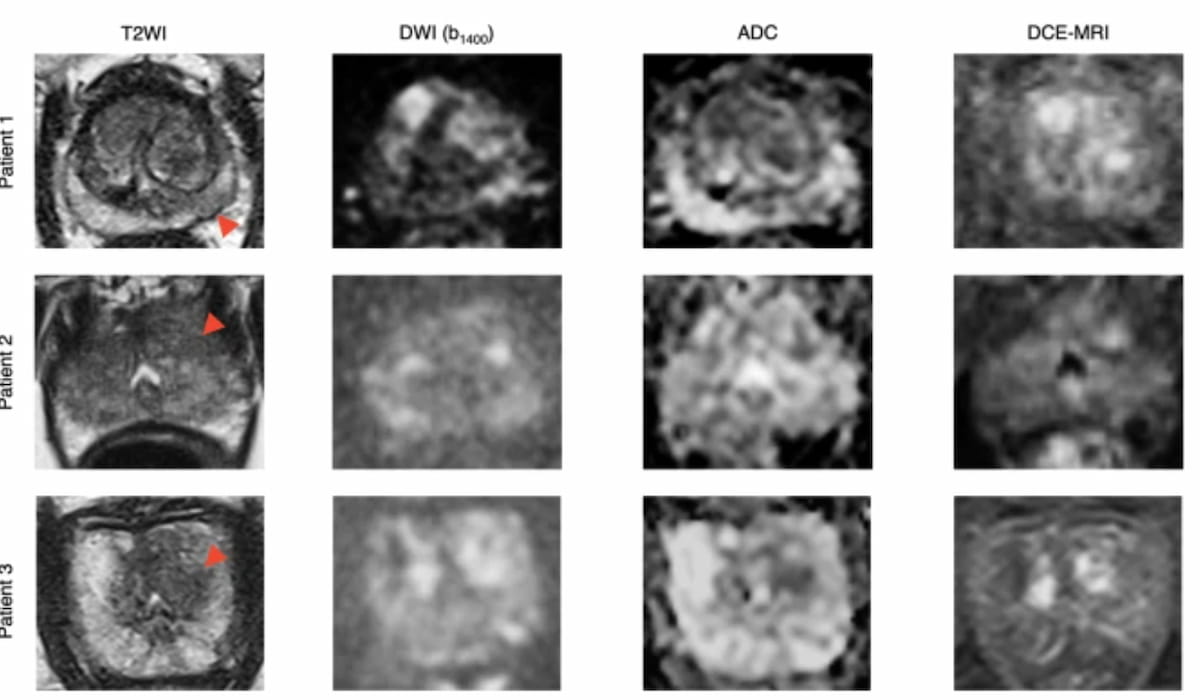
The use of 5T prostate MRI offered significantly higher signal-to-noise ratio (SNR) than 3T prostate MRI as well as enhanced delineation with T2-weighted and diffusion-weighted imaging, according to newly published comparative research.
Catch up on the top radiology content of the past week.
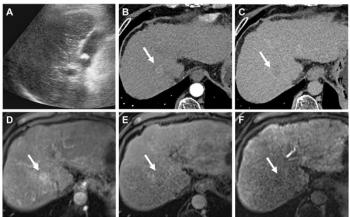
In a prospective comparison with prior criteria for evaluating hepatocellular carcinoma surveillance, the American Association for the Study of Liver Diseases (AASLD) version 2023 system offered significantly higher sensitivity.
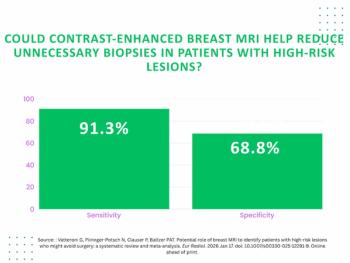
In a seven study meta-analysis with a total of 493 cases involving high-risk breast lesions, researchers found that contrast-enhanced breast MRI did not miss any cases of invasive breast cancer.
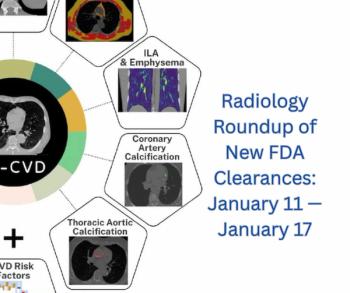
Catch up on a variety of new FDA clearances in radiology from the past week.
Catch up on the top radiology content of the past week.
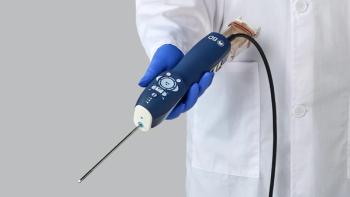
Offering an echogenic cutting cannula and enhanced sampling capability, the EnCor EnCompass Breast Biopsy and Tissue Removal System reportedly enables biopsy procedures across different breast imaging platforms.
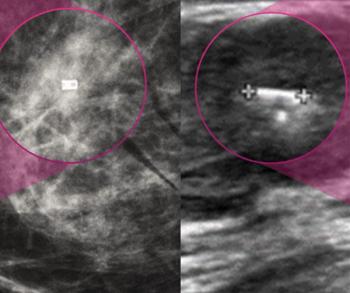
Offering a biocompatible, non-metallic alternative to metallic tumor markers, the VM1 tumor marker reportedly offers artifact-free visibility across a variety of breast imaging including mammography, ultrasound and MRI.
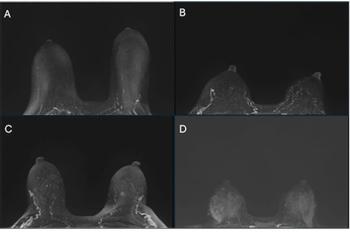
After a causal mediation analysis that adjusted for breast density, researchers found that Black women had a significantly higher likelihood of high MRI-derived background parenchymal enhancement (BPE) than White women in a study involving nearly 2,500 women.
Catch up on the top radiology content of the past week.
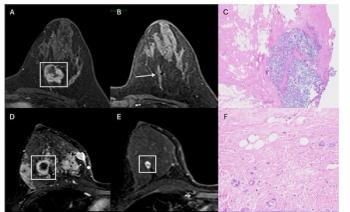
For patients with triple-negative breast cancer being treated with neoadjuvant chemotherapy and immunotherapy, MRI demonstrated a 94.3 percent sensitivity for predicting pathologic complete response, according to a new study.
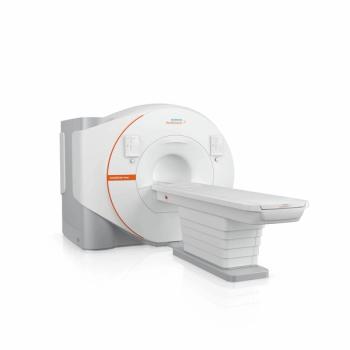
In addition to offering a variety of AI features, the Magnetom Flow 1.5T MRI system reportedly facilitates a 56 percent reduction in annual energy consumption in comparison to previous MRI scanners.
In a recent interview, Onofrio Catalano, M.D., Ph.D., discussed new research findings demonstrating robust sensitivity and specificity in detecting hepatocellular carcinoma in patients with LI-RADS 3 presentations.
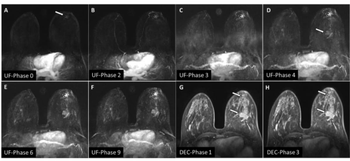
Employing a 77-second scan time for obtaining ultrafast breast MRI views, researchers found a 92.1 percent AUC for differentiating between benign and malignant lesions, according to new prospective study.
Catch up on the most well-viewed MRI content from 2025.
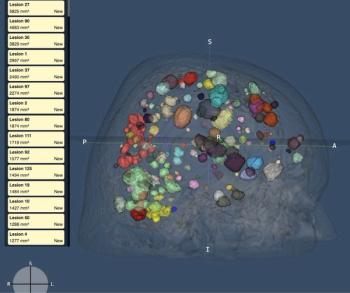
The cloud-based Brain Mets software reportedly provides accelerated detection, measurement and tracking of metastatic brain lesions based on routine brain MRI sequences.
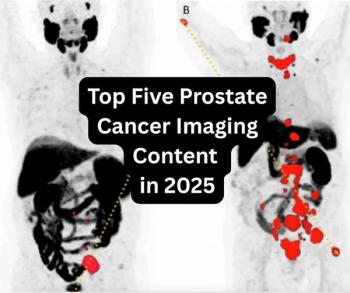
Catch up on the most well-viewed prostate cancer imaging content from 2025.
Advertisement
Advertisement
Trending on Diagnostic Imaging
1
Brain MRI Study Reveals Higher Brain Age Gap and White Matter Hyperintensity for Those in Disadvantaged Neighborhoods
2
The Reading Room Podcast: Assessing the Current Landscape of AI and Reimbursement in Radiology, Part 2
3
Breast Imaging in Focus: Key Pearls from New Guidelines on Proliferative Breast Lesions with Atypia and LCIS
4
Prostate MRI Study Links Lower ACD Values on DWI to Higher Long-Term Risk of Distant Metastases
5